Why Over 20 Million Women in Gujarat Suffer Chronic Fatigue: Health Data Debunks Water Myth
A major health assessment reveals that over 20 million women in Gujarat suffer from anemia-induced chronic fatigue, debunking drinking water myths while highlighting dietary gaps and clinical interventions as key solutions.
In this piece
More than 20 million women across Gujarat face chronic fatigue driven by widespread anemia and micronutrient deficiencies, according to government health…
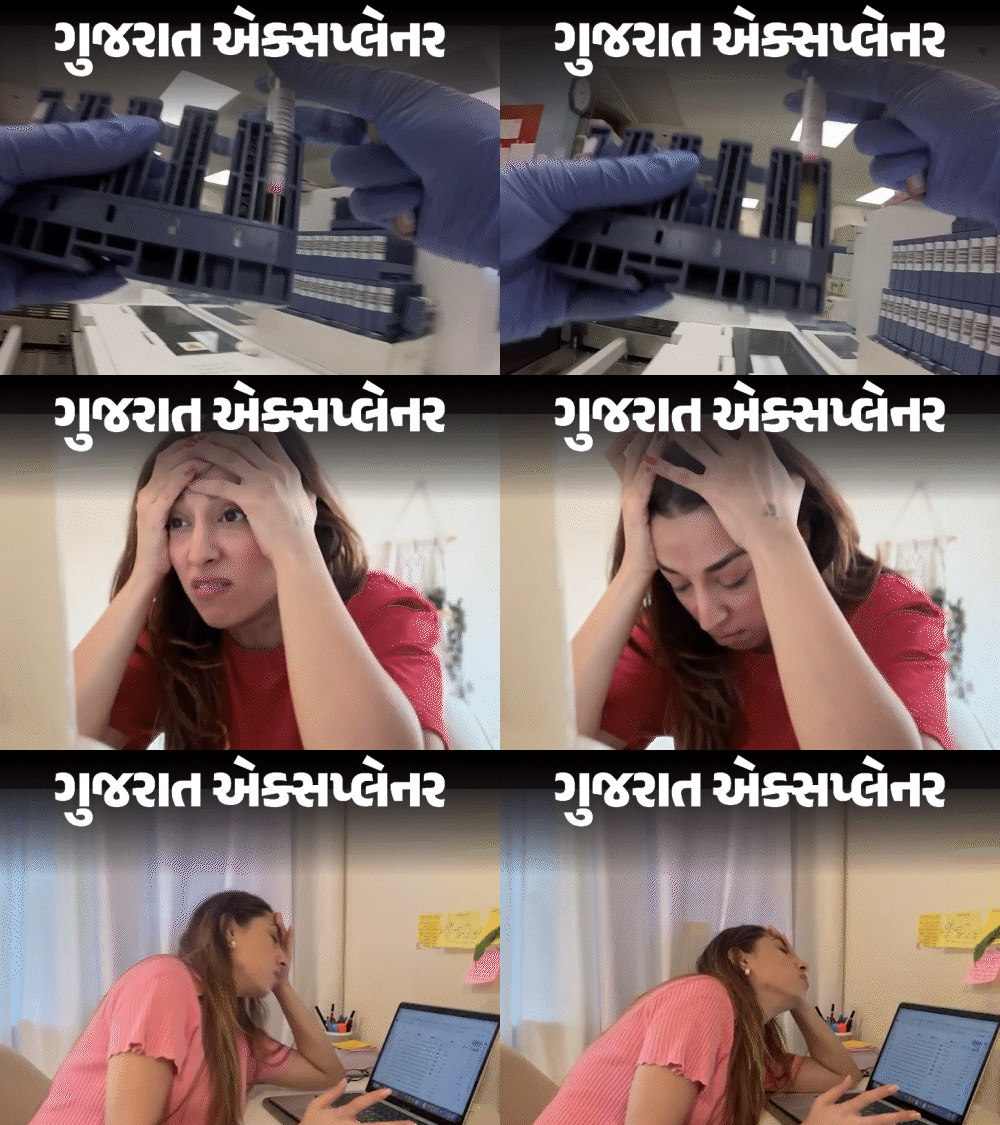
More than 20 million women across Gujarat are experiencing chronic exhaustion and weakness, according to public health findings evaluating nutritional health and micronutrient deficiencies. The data reveals that widespread anemia, rather than general lethargy or environmental factors, is the primary driver behind this persistent fatigue affecting roughly two out of every three women in the state.
In response to public speculation attributing rising fatigue to the widespread adoption of reverse osmosis drinking water systems, health experts have dismissed the claim as unfounded. Medical authorities clarified that while reverse osmosis filtration removes dissolved minerals from water, it does not deplete red blood cells or inhibit nutrient uptake, confirming that the fatigue crisis stems squarely from dietary shortfalls rather than home filtration.
Detailed assessments by the Union Ministry of Health and Family Welfare and the Indian Council of Medical Research indicate that nearly 64 percent of adult women and over 66 percent of women of reproductive age in Gujarat are anemic. The staggering figures place the industrialized state among the regions with the highest prevalence of micronutrient deficiencies in India, surprising analysts given its strong economic indicators.
Clinical analysts emphasize that the root cause lies in widespread dietary monotony and limited micronutrient bioavailability. Traditional daily meals across the state frequently depend heavily on staple cereals, with insufficient daily intake of iron-rich greens, pulses, and bioavailable proteins necessary to sustain healthy hemoglobin levels.
Research further indicates that the condition is rarely confined to simple iron deficiency alone. Widespread deficits in vitamin B12, folate, and vitamin A compound the problem across demographic groups, leaving women susceptible to cellular fatigue, shortness of breath, and impaired physical stamina despite consuming adequate overall calories.
This pervasive burden of exhaustion carries significant ramifications for public welfare and long-term economic productivity across the state. When millions of working-age women endure unrelenting weakness, it hinders daily workforce participation, diminishes cognitive focus, and elevates medical risks during pregnancy and maternal care.
Public health authorities point to two essential pathways to reverse the trend and restore vitality, beginning with targeted nutritional changes. Nutritionists advise incorporating iron-dense foods such as dark leafy greens, millets, and jaggery into everyday cooking, paired with vitamin C sources such as citrus fruits to optimize digestive absorption.
The second critical intervention involves structured medical supplementation and routine diagnostic screening. Healthcare professionals stress the necessity of adhering to prescribed iron and folic acid regimens alongside regular medical monitoring, warning that sporadic self-care without clinical guidance often yields disappointing outcomes.
Although nationwide initiatives like the Anemia Mukt Bharat program distribute supplements through community health centers and schools, behavioral compliance has remained a persistent hurdle. Field workers observe that mild gastrointestinal side effects and a lack of routine follow-up frequently cause women to discontinue treatment before hemoglobin stores recover.
State health agencies and local community networks are now working to enhance grassroots outreach, aiming to bridge the gap between supplement distribution and sustained nutritional awareness. Health officials maintain that eliminating widespread fatigue will require treating anemia as an urgent priority through both institutional support and proactive household dietary adjustments.
Primary source: Divya Bhaskar Gujarat. Newzly rewrites and structures source reporting for clarity; verify critical details at the original.