Taliban Order Removal of Women's Names From Official Records and Medical Prescriptions
Taliban authorities in Afghanistan have instructed official departments and healthcare facilities to erase women's names from public records and prescriptions, replacing individual identities with the generic honorific Bibi.
In this piece
Taliban officials in Afghanistan have issued directives banning the use of women's names on official documents and medical prescriptions, mandating the generic…
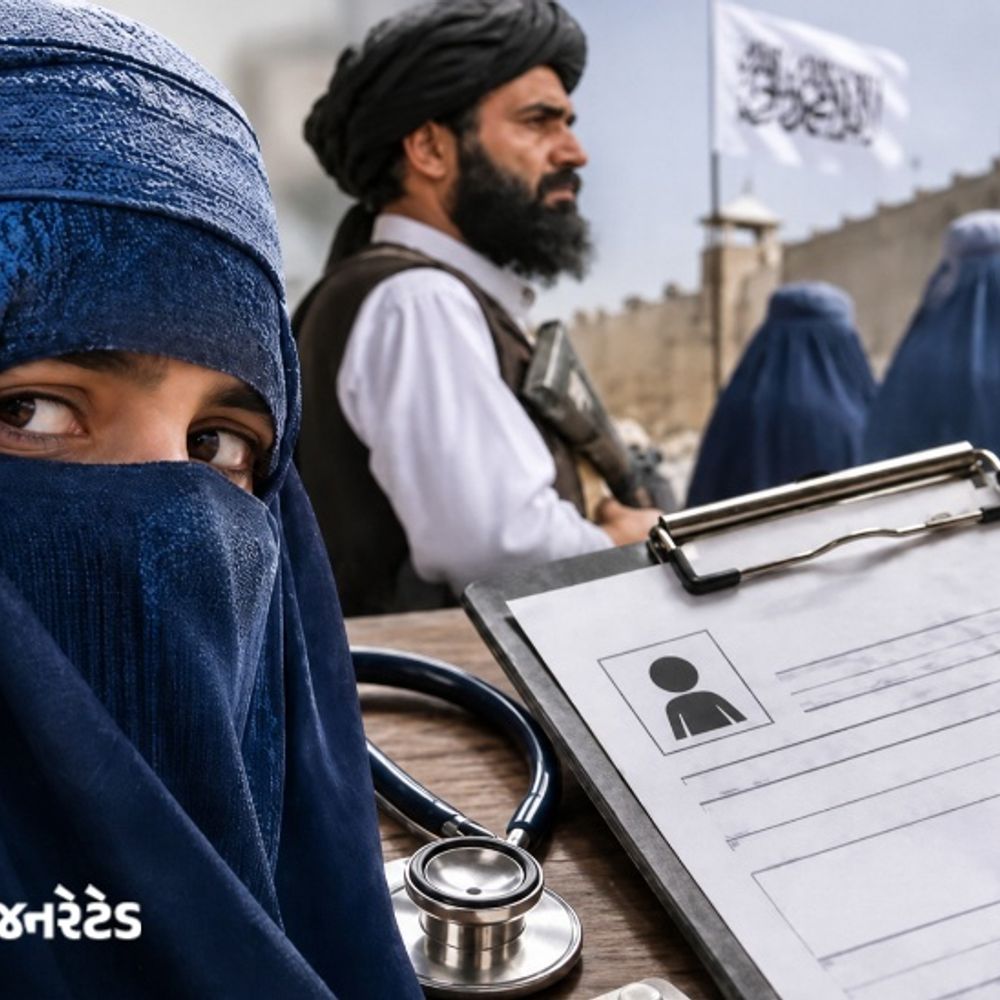
Taliban authorities in Afghanistan have issued new administrative directives ordering the removal of women's and girls' names from official government records, hospital registries, and medical prescriptions. Under the newly enforced rules, clerks and healthcare workers have been instructed to substitute individual female names with the generic term Bibi, effectively erasing their personal legal identities across public administration.
The measure was initially enforced by local officials in northern Balkh province before spreading scrutiny across administrative departments. Healthcare facilities, diagnostic clinics, and pharmacy dispensaries are now forbidden from logging a female patient's given name on consultation forms or medication slips. Instead, medical staff must record female visitors under standardized honorifics or relational designations tied to male relatives.
Medical practitioners and public health observers have raised immediate alarms regarding the severe dangers the policy creates for patient safety. Erasing individual names from clinical files introduces catastrophic risks of misidentification, where patients sharing identical placeholder titles could receive incorrect medications, dosages, or surgical procedures. Doctors warn that maintaining accurate medical histories becomes nearly impossible when patient files cannot be distinguished by individual names.
In busy hospital wards and outpatient clinics, healthcare workers have already reported operational confusion and administrative bottlenecks. Nurses and pharmacists rely on precise identification to verify allergies, blood types, and treatment plans before administering care. Without distinct personal identifiers, the likelihood of fatal pharmaceutical mix-ups increases dramatically, particularly in under-resourced regional clinics lacking digital tracking systems.
Human rights advocates view the directive as part of a relentless campaign by Taliban leadership to systematically erase women from public and civic life. Since returning to power in August 2021, the regime has progressively stripped Afghan women of their fundamental rights, including barring girls from secondary and higher education, banning women from most workplaces, and prohibiting them from visiting parks and public baths.
The decision marks a painful reversal for Afghan civil society, which had previously celebrated major milestones in recognizing female legal identities. Years of grassroots campaigning, notably through the widespread Where Is My Name movement, had successfully persuaded the previous government in 2020 to include mothers' names on national identity cards and birth certificates. That hard-fought achievement has now been dismantled under the current administration's interpretation of social conduct.
Beyond administrative hurdles, the decree carries profound psychological and social consequences for women and girls throughout the country. Civil society groups point out that stripping a person of their given name in legal documentation reduces their status to non-citizens devoid of individual agency. Reports from local observers indicate that the practice fosters a climate of deep humiliation, as women are denied the most fundamental marker of their personal humanity.
International organizations and United Nations officials have repeatedly condemned the ongoing stream of decrees targeting women, describing the situation as institutionalized gender oppression. Foreign governments continue to withhold formal diplomatic recognition of the Taliban administration, citing their sweeping human rights abuses and refusal to respect the rights of women.
As regional departments begin implementing the ban on names, legal observers and medical advocacy groups are monitoring whether the directive will be formalized into a unified nationwide decree issued from Kandahar. Afghan women and medical workers continue to voice urgent concerns that without international pressure or administrative rollback, the policy will jeopardize both patient lives and whatever remnants of female legal recognition remain.
Primary source: Divya Bhaskar International. Newzly rewrites and structures source reporting for clarity; verify critical details at the original.