Why Pakistani Dramas and Stars Retain Massive Digital Audiences in India
Despite official bans and cross-border tensions, Indian viewers continue to flock to Pakistani dramas, propelled by shared culture, finite storytelling, and the reach of digital platforms.
In this piece
Persistent demand for Pakistani entertainment in India highlights a powerful cross-border cultural pull that defies formal restrictions. Driven by relatable…
Despite recurring diplomatic frictions and regulatory constraints on cross-border media, Pakistani entertainment continues to command massive, deeply engaged audiences across India. From viral television dramas to chart-topping musical tracks, Indian viewers are increasingly turning to digital avenues to access shows from across the border.
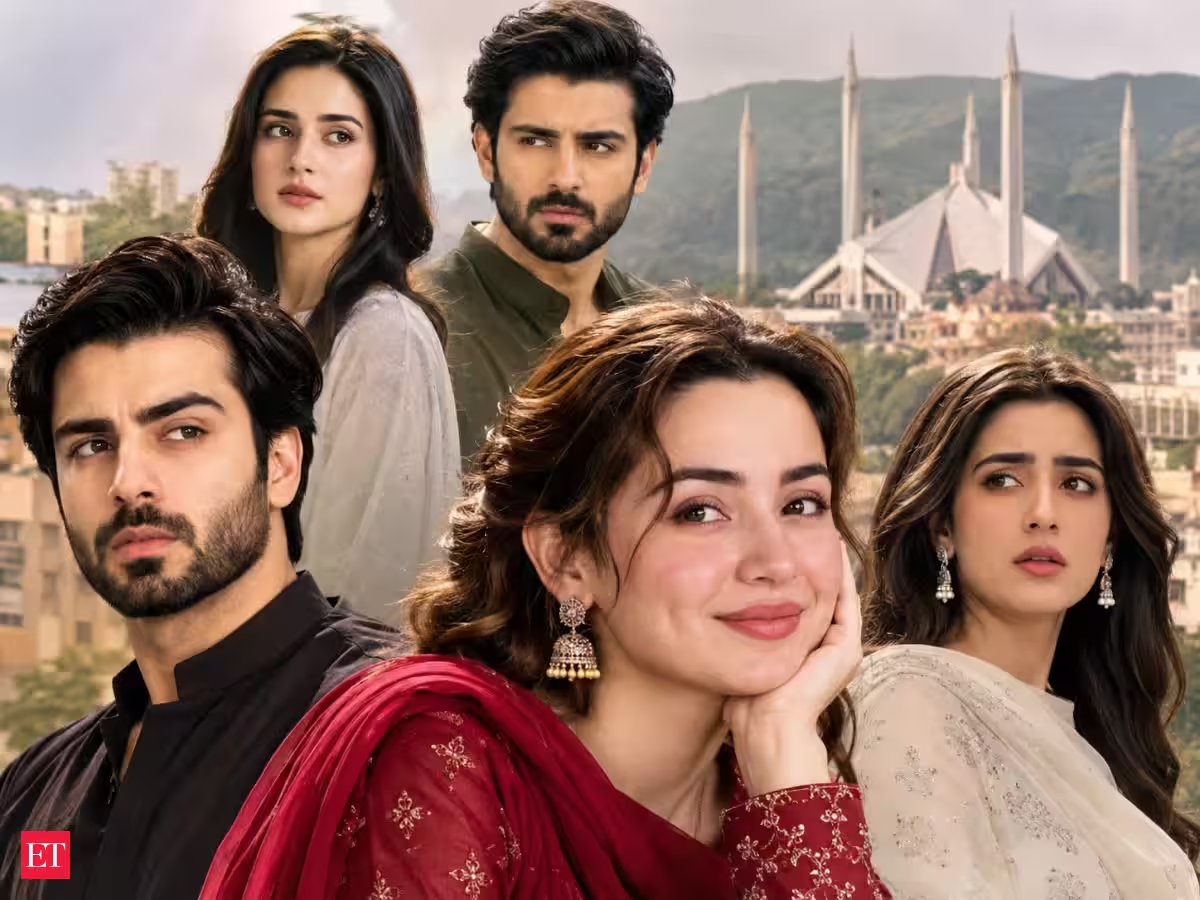
The enduring fascination is underscored by the immense anticipation surrounding upcoming streaming productions like Netflix's "Jo Bachay Hain Sang Samait Lo," alongside recent television hits such as "Kabhi Main Kabhi Tum" and "Mere Humsafar." Performers such as Hania Aamir and Mahira Khan, along with veteran musicians like Atif Aslam, maintain immense followings in India despite formal industry curbs.
Cultural analysts point to strong linguistic and societal affinities as the foundational driver of this cross-border resonance. The conversational blend of Urdu and Hindi featured in Pakistani television allows Indian viewers to follow narratives intuitively without requiring dubbed audio. Shared traditions surrounding family structures, marriage ceremonies, household conflicts, and everyday social humor make these depictions instantly relatable to audiences on both sides of the border.
The structural format of Pakistani television drama also offers a distinct alternative to domestic programming patterns. Unlike conventional Indian daily soaps that frequently span hundreds or thousands of episodes with drawn-out melodramas, Pakistani serials are predominantly finite, compact productions running between twenty and thirty episodes. Viewers and critics consistently highlight the disciplined writing, nuanced character arcs, and realistic acting that favor emotional restraint over sensationalism.
Digital distribution channels have substantially altered how audiences access this material, effectively bypassing traditional broadcast restrictions. While Indian satellite networks no longer broadcast Pakistani channels, platforms such as YouTube have created an open, friction-free conduit for full episodes. Official production houses routinely upload uncut installments that generate tens of millions of views, with analytics consistently indicating that a major share of viewership originates from India.
Social media algorithms have amplified this engagement even further through short-form video clips and viral soundbites. Key scenes, emotionally charged dialogues, and original soundtracks frequently dominate trending audio charts on Instagram and TikTok alternatives. Actors such as Hania Aamir have consequently built vast followings among Indian youth, driven by candid social media presence and relatable screen roles rather than formal marketing campaigns.
Media observers note that regulatory hurdles and political bans have inadvertently fostered a powerful "forbidden fruit" dynamic among consumers. Whenever diplomatic disputes trigger calls for boycotts or restrictions on cross-border collaborations, public curiosity regarding the affected titles often intensifies. Online audiences frequently seek out alternative digital platforms and mirror links, turning restricted media into widely discussed cultural phenomena.
This persistent audience demand creates a complex balancing act for major international streaming giants operating in South Asia. Global entertainment companies recognize the significant commercial potential of South Asian collaborative projects, yet they remain vulnerable to sudden geopolitical shifts and regulatory scrutiny. Consequently, cross-border programming strategies continue to oscillate between cautious risk management and high-value creative investments.
Looking ahead, analysts expect digital networks to keep cross-border content flows active despite formal diplomatic freezes. As entertainment consumption moves further away from legacy television and into personalized online streaming, viewers retain unprecedented autonomy over what they choose to watch. For Indian audiences, the appetite for concise, culturally familiar storytelling suggests that Pakistani dramas will remain a staple of digital viewing habits.
Primary source: Economic Times. Newzly rewrites and structures source reporting for clarity; verify critical details at the original.