entertainment·California·Los Angeles County
Why the 2008 Sci-Fi Cult Favorite 'Outlander' Deserves a Second Look
A retrospective assessment argues that the 2008 sci-fi action film Outlander, which fuses Beowulf mythology with extraterrestrial horror, warrants a critical reassessment from genre enthusiasts seeking unpretentious cult cinema.
In this piece
A retrospective from Polygon calls for a fresh look at Outlander, the 2008 sci-fi action hybrid that crossed Norse legend with creature-feature tropes. Blending…
Genre enthusiasts and film critics are revisiting Outlander, the ambitious 2008 genre collision that grafted extraterrestrial science fiction onto ancient Norse mythology. In a retrospective defense published by Polygon, the production was highlighted as an overlooked cult project that deserves redemption among modern audiences. The film reimagines the classic Old English epic of Beowulf by recasting its hero as an off-world warrior stranded on Iron Age Earth.
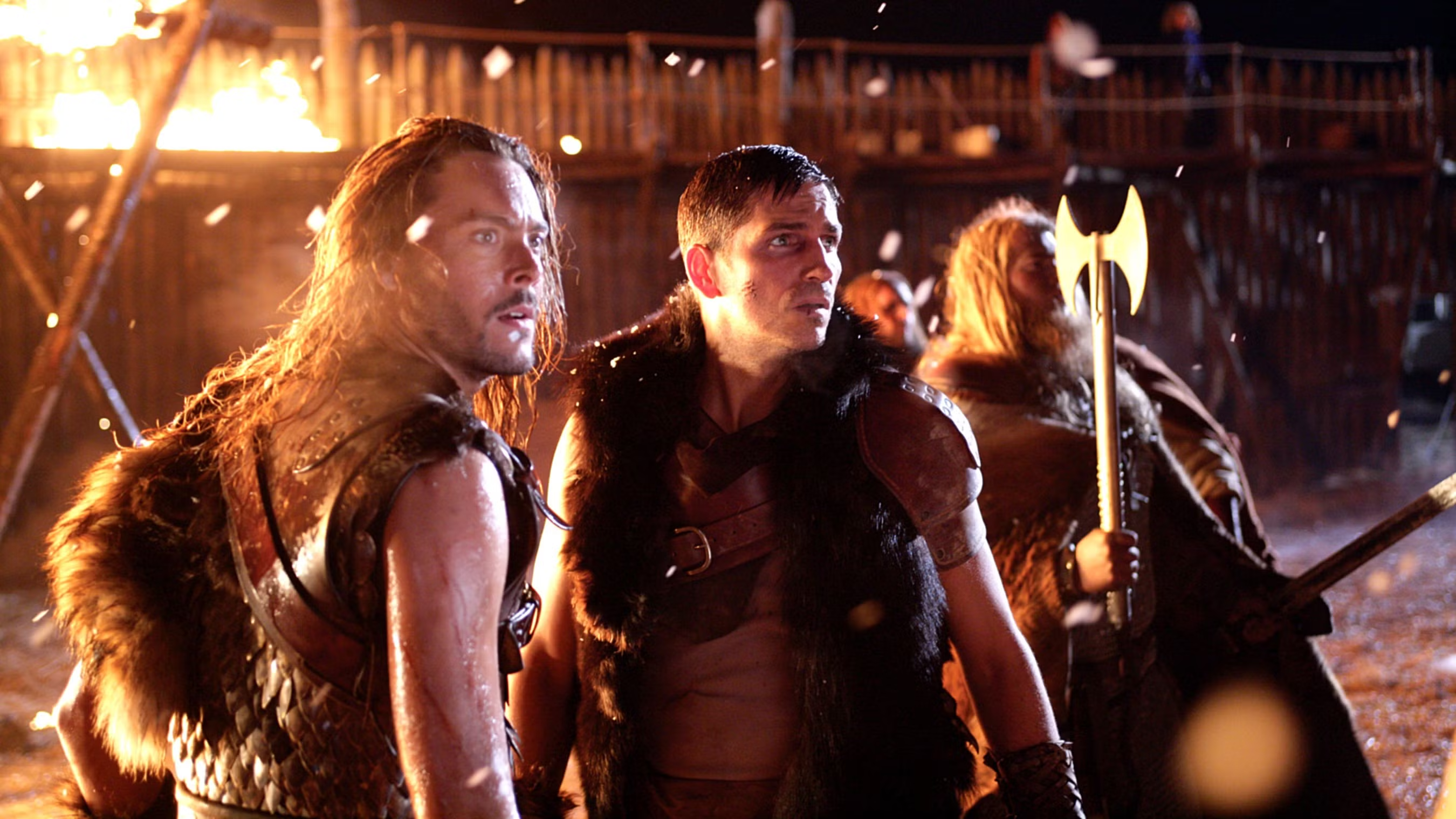
At its core, the movie operates on an audacious cross-genre elevator pitch often described as Alien meets Vikings. An interstellar voyager crash-lands in eighth-century Norway, unintentionally dragging an apex alien predator along in the wreckage of his spacecraft. To survive and destroy the escaped beast, the high-tech traveler must forge an alliance with local Norse clans, setting aside futuristic advantages to master ancient combat.
A key strength highlighted in retrospective analysis is how the narrative embraces the friction between disparate worlds. As the space traveler integrates into the Viking settlement, the story balances intense survival horror with lighter cultural immersion, including the outsider gradually embracing Norse drinking games and tribal camaraderie. This dynamic provides grounded character moments amidst an otherwise relentless series of skirmishes.
Released during an era when Hollywood frequently leaned into gritty reinventions of classic literature, Outlander distinguished itself through sincere earnestness rather than self-referential irony. Rather than winking at the absurdity of laser-adjacent alien technology meeting broadswords and chainmail, the production committed fully to practical world-building. The village sets, period costuming, and atmospheric Nordic wilderness provided a tactile counterweight to the digital creature effects.
Despite its unique hybrid premise, the movie faced substantial commercial headwinds when it arrived in theaters in 2008. Hampered by limited theatrical distribution and marketing challenges during a crowded release calendar, the picture struggled to find a wide initial audience. Consequently, it missed out on mainstream box office momentum and was swiftly relegated to home video release schedules.
In the years following its theatrical departure, the film steadily built an appreciative secondary audience through DVD releases, television broadcasts, and streaming catalogs. Devotees of creature features and historical fantasy gravitated toward its straightforward pacing and unpretentious execution. Over time, word-of-mouth recommendations transformed what was once deemed a commercial misfire into a perennial favorite among niche sci-fi communities.
The retrospective defense underscores a broader trend in cinematic discourse that seeks to reevaluate mid-budget genre experiments from the late 2000s. In an era currently dominated by risk-averse studio tentpoles and interconnected franchises, stand-alone high-concept productions of this scale have become increasingly scarce. Looking back at the project highlights a time when filmmakers were granted the latitude to merge wildly incongruous genres into singular cinematic spectacles.
Ultimately, the enduring charm of the Beowulf-inspired adventure lies in its unabashed commitment to delivering thrilling genre entertainment. By treating its Norse warriors and extraterrestrial menace with equal gravity, the film managed to create an engaging mythological mashup that rewards open-minded viewing. For audiences seeking escapist storytelling that refuses to take itself too seriously while respecting craft, the title remains a hidden gem.
As retrospective commentary continues to circulate across film discussion platforms, renewed interest could encourage streaming programmers to keep such overlooked catalog titles accessible. While unlikely to spark a wider franchise revival, the ongoing reappraisal reaffirms the film's rightful place in the pantheon of beloved cult sci-fi oddities. For viewers willing to suspend disbelief, this collision of interstellar warfare and Viking folklore continues to offer compelling entertainment.
Primary source: Polygon. Newzly rewrites and structures source reporting for clarity; verify critical details at the original.