Why The Legend of Zelda: Ocarina of Time Remains a Top Gateway Game for Kids
As parents debate whether certain franchise elements are too frightening for young players, gaming commentators suggest the title's opening child era provides an accessible entry point into Nintendo's catalog.
In this piece
Ongoing parental discussions over whether The Legend of Zelda: Ocarina of Time contains elements too frightening for young children have renewed focus on its…
A debate among parents over whether The Legend of Zelda: Ocarina of Time is too intense for young children has prompted a fresh examination of the classic title's place in modern family gaming. While some caregivers express concern over darker themes and startling encounters, gaming critics argue that the game remains one of the most effective starting points for newcomers to the medium.
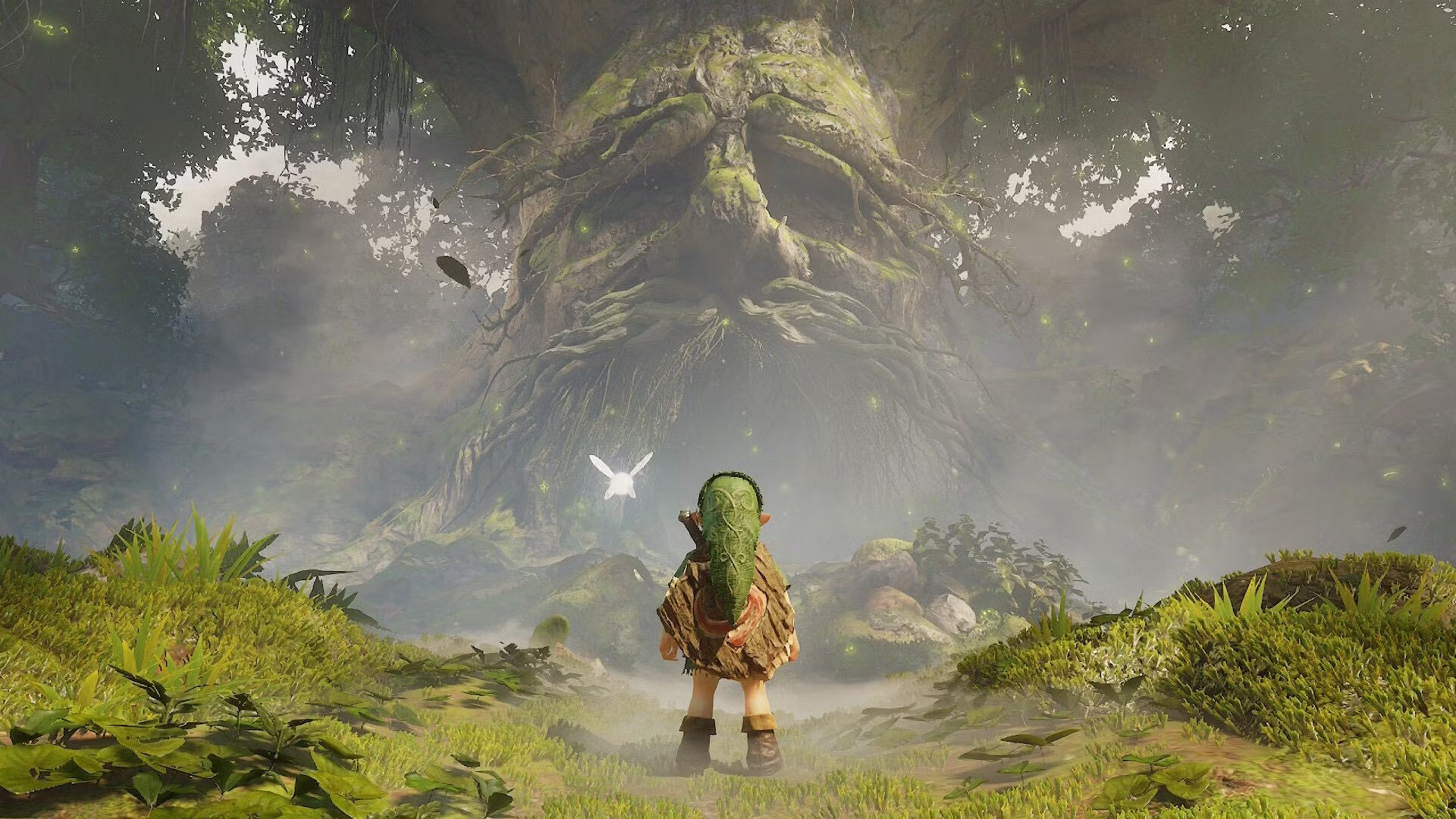
Central to this perspective is the game's distinct narrative structure, which divides the journey into two separate time periods. According to an assessment highlighted by Polygon, the initial child-era portion of the adventure offers a gentle, well-paced introduction that allows younger players to learn fundamental navigational and puzzle-solving mechanics without feeling immediately overwhelmed.
During this early phase of the storyline, the challenges remain largely whimsical and contained within vibrant environments. Tasks such as exploring friendly village settlements and gathering basic supplies help players build confidence with three-dimensional navigation. For children taking their first steps outside conventional side-scrolling platformers, these early hours provide a structured playground for spatial reasoning.
Concerns regarding frightening content generally focus on the later segments of the quest, where the fantasy world takes on a visibly grimmer atmosphere. Opponents of introducing the title at an early age point to eerie underworld spaces and unsettling creature designs that can distress sensitive audiences. Nevertheless, advocates note that these elements do not dominate the opening chapters, giving parents natural checkpoints to monitor comfort levels.
The renewed conversation also reflects how remade versions of landmark titles continue to bridge generational divides between veteran players and their children. With updated visuals and refined camera controls featured in later editions of the 1998 release, accessibility barriers that once frustrated young players have been substantially reduced. This technical polish makes the underlying design principles far more approachable for contemporary audiences accustomed to modern handheld devices.
Beyond atmosphere, the title's design philosophy teaches foundational video game literacy that persists across the industry today. Mechanics like targeting lock-on systems, inventory management, and spatial clue recognition were pioneered in this release and remain standard across mainstream adventures. Introducing these systems in an exploratory, low-stakes setting helps young players develop intuitive problem-solving skills that translate to other titles.
Observers emphasizing the game's family value often recommend an active, shared approach to early play sessions. When parents sit alongside children to assist with reading comprehension or difficult navigation puzzles, the experience transitions from an isolating hurdle into an interactive family activity. Such cooperative arrangements also allow guardians to decide organically when a child is ready to tackle more intense story beats.
The ongoing dialogue highlights a broader dilemma facing modern gaming households as older classics are revitalized for newer hardware. Determining appropriate developmental thresholds often requires looking beyond broad age ratings to evaluate specific mechanical chapters and tonal shifts. By separating an expansive quest into manageable stages, families can tailor the experience to individual maturity levels.
As gaming libraries continue to expand with legacy remakes, discussions surrounding early-childhood recommendations will likely remain active among parenting communities and industry observers. For now, commentators suggest that selective exposure to the child-era journey can preserve the wonder of discovery while keeping the experience age-appropriate. Whether young players complete the full quest or simply enjoy its welcoming opening world, the adventure continues to demonstrate lasting educational and entertainment value.
Primary source: Polygon. Newzly rewrites and structures source reporting for clarity; verify critical details at the original.