world·Wisconsin·Lafayette County
Wisconsin Reports Third Measles Death as Outbreak Expands to General Public
Wisconsin health officials have confirmed a third measles-related death amid an escalating outbreak in the state's southwestern region. The fatality comes as authorities warn transmission is beginning to spread beyond isolated pockets into the wider public.
In this piece
Wisconsin reported its third measles-associated fatality of the current outbreak, involving an adult resident in Lafayette County. With over 900 cases…
Wisconsin health officials have confirmed the state's third measles-associated death linked to an ongoing regional outbreak, marking another severe milestone in what has become one of the country's most significant resurgences of the virus in recent years. The latest fatality involved an adult residing in Lafayette County in the southwestern part of the state, according to state health data. Public health authorities noted that the development coincides with troubling signs of viral transmission reaching the general public.
The adult death follows two earlier fatalities reported earlier in the month, which claimed the lives of an infant and a young child in neighboring Grant County. Prior to this outbreak, Wisconsin had not recorded a measles-related death in more than three decades. The rapid progression of fatal outcomes has intensified scrutiny over declining immunization thresholds and localized susceptibility across rural communities.
Since the initial cases emerged late in the summer, confirmed infections in Wisconsin have climbed past 900 cases, spanning at least two dozen counties. While early clusters were predominantly localized within southwestern farming enclaves and tightly knit rural communities, surveillance data shows the virus progressively appearing in broader community settings. Health agencies have tracked potential exposure events in commercial businesses, healthcare clinics, and community gathering spaces.
Public health reporting indicates that approximately 99.2 percent of all documented infections in the state have occurred among individuals who were completely unvaccinated or whose vaccination status could not be verified. Epidemiologists emphasize that high vaccination coverage is critical to preventing measles from gaining a foothold in any community. When immunization rates dip below recommended thresholds, the virus can spread with remarkable velocity among vulnerable populations.
Measles ranks among the most infectious airborne pathogens known to science, capable of lingering in the air of an enclosed room for up to two hours after an infected individual has departed. A single infected person can transmit the virus to as many as nine out of ten susceptible close contacts. While many individuals recover after severe fevers, coughs, and signature skin rashes, the disease carries significant risks of acute respiratory complications, neurological swelling, and death.
The transition of the outbreak from isolated social networks into the general public presents new hurdles for contact tracers and municipal health networks. Initially, contained clusters allowed public health workers to focus resources on specific geographic areas and closed cultural groups. As exposures crop up in public retail establishments, regional medical centers, and schools, the potential for secondary and tertiary chains of transmission multiplies significantly.
In response, county health departments across southwestern Wisconsin have expanded clinical outreach, offering walk-in vaccination clinics and educational guidance to affected residents. Medical providers throughout the region have been advised to maintain heightened clinical vigilance, immediately isolate suspected cases, and report potential infections to state epidemiologists. Local health systems are also working to minimize nosocomial exposures by urging patients showing rash and fever symptoms to call ahead before arriving at emergency departments.
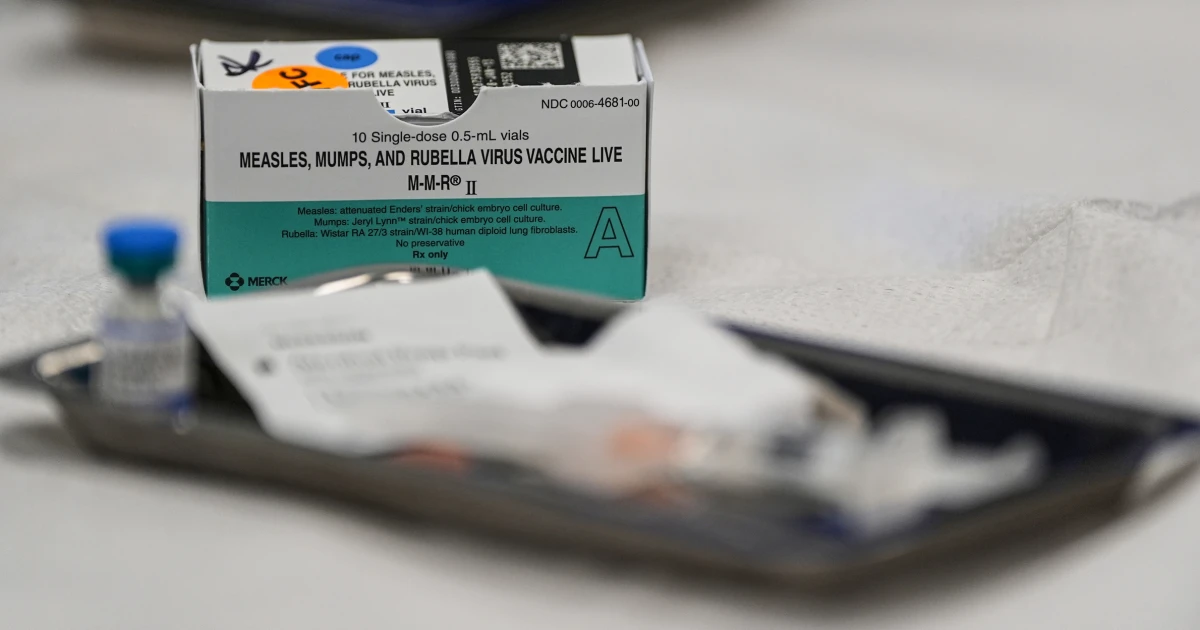
State health leaders continue to reiterate that immunization through the measles, mumps, and rubella (MMR) vaccine remains the single most reliable protective measure against infection and severe disease. Two standard doses of the MMR vaccine provide approximately 97 percent lifelong effectiveness against the pathogen, while a single dose confers roughly 93 percent protection. Health officials are urging adults who are unsure of their immunization history to check records or consult their primary care providers about receiving a booster.
Public health authorities expect case counts may continue to fluctuate as surveillance expands and winter social gatherings increase indoor contact. Epidemiologists will closely monitor whether recent containment protocols succeed in curtailing transmission beyond southwestern Wisconsin or if secondary community clusters take root elsewhere in the Upper Midwest. For now, state officials emphasize that community cooperation, prompt symptom reporting, and renewed immunization efforts will determine how rapidly the outbreak can be brought under control.
Primary source: Google News Wisconsin. Newzly rewrites and structures source reporting for clarity; verify critical details at the original.