WMUR business segment says AI is changing how New Hampshire firms operate
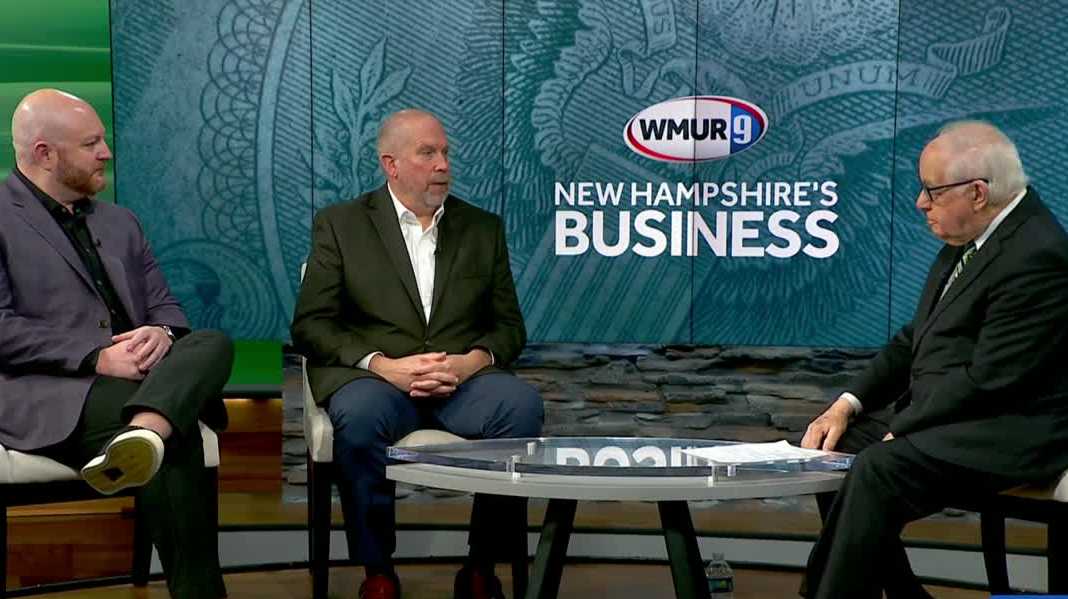
A WMUR “NH’s Business” report, indexed by Google News, says artificial intelligence is already changing daily operations for companies in the state. The available listing gives the headline, not the segment’s examples.
In this piece
WMUR’s NH’s Business feature is flagged in Google News for reporting that artificial intelligence is changing how New Hampshire businesses operate. The indexed…
A WMUR business segment is presenting artificial intelligence as a change already under way in how New Hampshire companies do their work. Google News indexes the piece under the station’s “NH’s Business” label, with a headline stating that AI is changing the way businesses in the state operate. The listing identifies WMUR as the outlet and does not include a transcript in the material available here.
That indexed headline is the sourced report behind this article. It names no companies, managers, products, or figures. Those gaps are limits of the listing, not evidence that the broadcast itself lacks examples. Viewers would need the full WMUR segment for any on-air interviews or case studies.
The premise matches a wider pattern in U.S. business coverage: software that drafts text, sorts messages, and summarizes records is showing up in ordinary offices, not only inside technology firms. In a state economy with many small and midsize employers, the question is less about building new models and more about which everyday tasks a purchased tool is allowed to touch.
New Hampshire’s mix of manufacturing, health care, hospitality, retail, and professional services offers many possible uses. A front office might test reply drafts. A production team might look at scheduling notes. A service business might try faster answers to routine customer questions. None of those uses is confirmed for this segment; they show the range a headline of this kind can point to without proving what WMUR actually aired.
Businesses often describe the draw as time. First drafts of emails, listings, and internal summaries can be produced quickly and then edited by a person. Related tools suggest bookkeeping support, inventory alerts, or customer-service replies. Whether any of that is saving money or hours for New Hampshire firms is not established by the headline, and this article does not assign a number the source does not give.
The matching caution is widely discussed in the same national conversation. Models can state false details with a confident tone, miss a local rule, or echo biased patterns in training data. Customer, health, and employee records are sensitive material to place in a system a company does not control. Many employers answer with internal rules on what staff may enter and which decisions stay with a person. The WMUR listing does not say whether the segment covers those safeguards.
Staffing sits in the background of almost every story about workplace AI. Some managers talk about stretching short-handed teams. Some employees hear a risk to hours or roles. The indexed item does not say which frame WMUR used, so neither frame should be treated as the station’s finding. Operational change and job anxiety often appear together in coverage of this technology; that is context, not a claim about this report.
Public policy is a separate layer. Federal agencies and state governments have issued guidance on AI in areas such as hiring, consumer protection, and government services, while many companies write their own rules faster than statutes change. Nothing in the Google News listing connects the WMUR piece to a specific bill, agency action, or New Hampshire law. Tying the segment to any particular policy would go beyond the source.
For a local audience, the useful part of a business feature is specificity: which industries tried the tools, what failed in early tests, and what remained in daily use. A headline can assert that New Hampshire firms are changing how they operate and still leave the map of that change unstated. Place-by-place comparisons would require reporting that is not present in the listing.
What follows is the usual next step for both newsrooms and companies. Firms will keep testing tools, dropping those that create more checking than they save, and tightening rules where data are sensitive. If the WMUR segment includes named examples, those examples are the evidence of how far the shift has gone. Until that reporting is available in full, the fair reading stays narrow: the station’s business feature is treating artificial intelligence as an operating issue for New Hampshire companies, with the details held in the original report.
Primary source: Google News New Hampshire. Newzly rewrites and structures source reporting for clarity; verify critical details at the original.