Yale Study Reveals What Truly Slows Biological Aging
A comprehensive Yale analysis of 51 studies finds that exercise, healthy diets, and select prescription drugs measurably slow biological aging, while popular commercial supplements show little meaningful benefit.
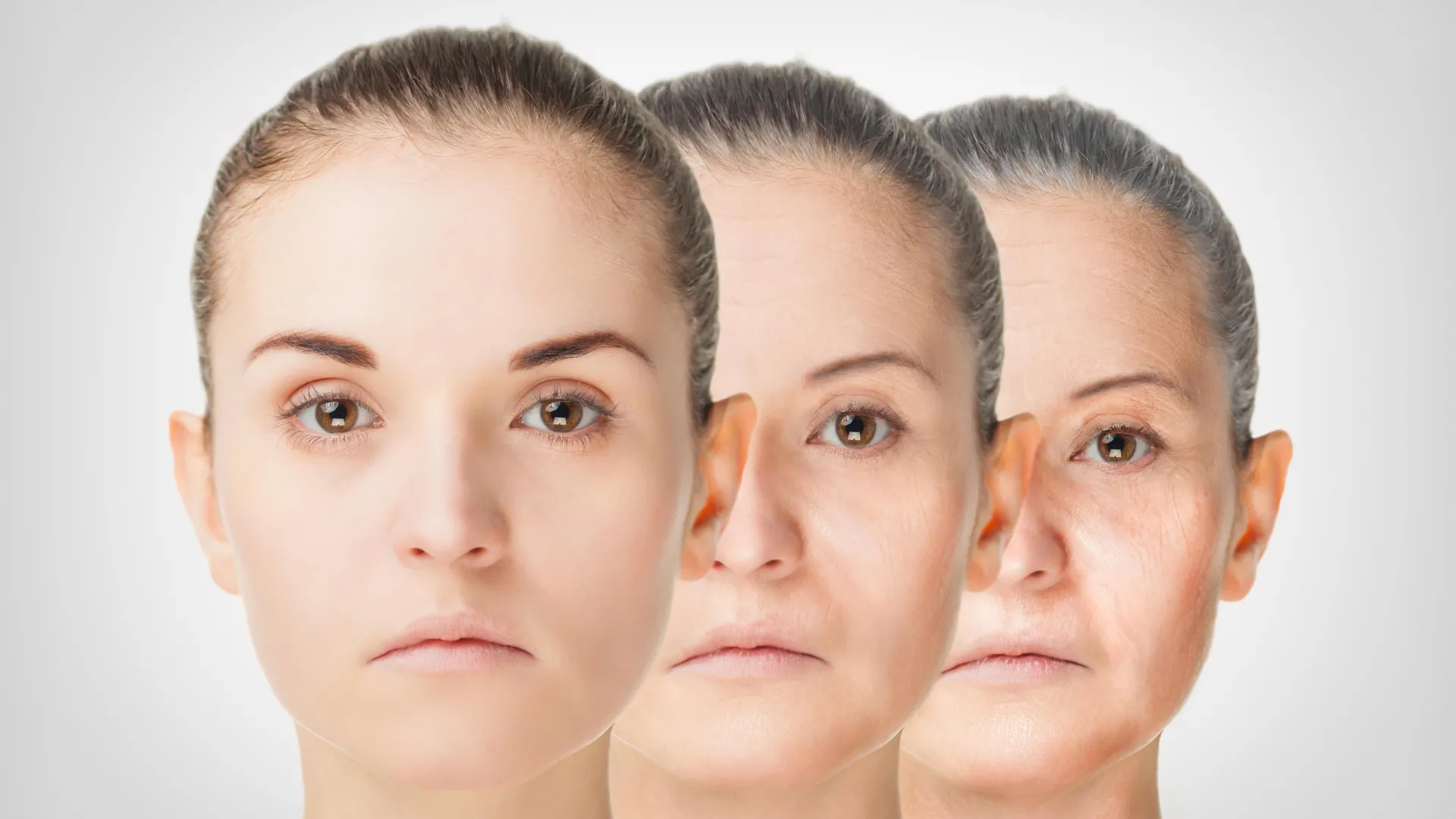
In this piece
Yale researchers analyzed 51 studies to evaluate anti-aging interventions, discovering that certain prescription drugs, exercise, and nutritious diets can…
Yale researchers have identified interventions that can measurably slow biological aging, while finding that popular anti-aging supplements show little evidence of meaningful efficacy. In an extensive systematic review examining 51 separate investigations, the research team evaluated how lifestyle adjustments, pharmaceutical options, and commercial wellness products influence molecular and physiological markers associated with growing older.
The findings indicate that select prescription medications, structured physical exercise, and balanced dietary habits demonstrate verifiable biological impacts on the human aging process. By evaluating clinical therapies alongside consumer products, the investigators clearly distinguished medically validated interventions from widespread wellness trends that lack sound empirical backing.
In stark contrast to established lifestyle and medical measures, commercial supplements promoted for age reversal appeared largely ineffective across the reviewed research. Despite soaring consumer demand and intense marketing around over-the-counter longevity formulas, the compiled scientific literature showed no consistent evidence of slowed cellular or biological decline resulting from their use.
The investigation focused on biological age rather than chronological years, assessing underlying physiological function and cellular health rather than calendar time. By synthesizing outcomes across dozens of clinical and observational trials, the Yale team sought to establish a clearer and more reliable benchmark for how scientific trials track shifts in human aging rates.
Experts note that the findings could significantly transform how the broader scientific community designs and evaluates anti-aging therapies moving forward. Instead of relying on disparate and unstandardized endpoints, researchers will now have a clearer framework to assess potential therapeutic candidates against interventions with documented physiological effects.
Despite the promising results observed with specific lifestyle habits and medications, significant scientific questions remain regarding longevity outcomes. The investigators explicitly cautioned that although certain interventions slow measurable biological decline, definitive evidence proving that these changes translate into longer overall lifespans has not yet been established.
The gap between slowing biological decline and extending maximum lifespan highlights the inherent complexity of human longevity biology. Medical researchers increasingly focus on functional healthspan, seeking to preserve physical vitality and delay chronic diseases in later decades even if fundamental limits on human survival remain unchanged.
The Yale analysis arrives amid explosive growth across the commercial anti-aging sector, which regularly markets unverified supplements and therapies directly to the public. By drawing clear distinctions between scientifically supported strategies and unproven products, the study provides valuable clarity for both consumers and clinicians.
Looking ahead, researchers anticipate that future investigations will focus on rigorous long-term trials designed to directly connect reduced biological aging rates with tangible survival benefits. As scientists refine the evaluation methodologies established across these 51 studies, future work will determine whether slowing the body's internal clock truly yields extended years of healthy living.
Primary source: ScienceDaily. Newzly rewrites and structures source reporting for clarity; verify critical details at the original.