Zelensky Welcomes US Push to Include Europe in Russia-Ukraine Peace Talks
President Volodymyr Zelensky supported a US proposal to include European Union delegates in peace talks with Russia, emphasizing Europe's vital stake in Ukraine's future and continental security.
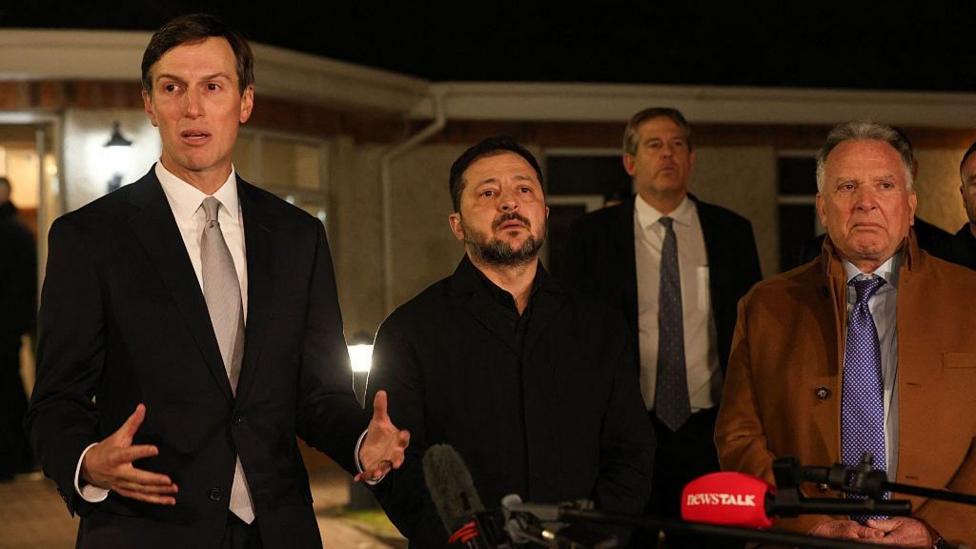
Ukrainian President Volodymyr Zelensky has welcomed an initiative by the United States to bring European Union delegates directly into upcoming peace negotiations with Russia. Speaking following recent high-level consultations with American envoys, the Ukrainian leader emphasized that European participation reflects the reality of the continent's shared security. The move represents a significant diplomatic shift aimed at broadening the framework of potential negotiations.
Zelensky noted that European involvement is essential because Ukraine remains actively engaged on a path toward formal European Union membership. He argued that any lasting diplomatic settlement cannot be crafted without the nations that will integrate Ukraine economically and politically. Ukrainian officials have consistently insisted that decisions regarding European security architecture cannot be settled over Europe's head.
The development comes after intensified diplomatic outreach conducted by American envoys Steve Witkoff and Jared Kushner. The representatives briefed Zelensky following discussions with Russian President Vladimir Putin in Moscow and multilateral meetings held in Abu Dhabi. Those exchanges focused on outlining initial parameters for direct or mediated engagements between Kyiv, Moscow, and Western partners.
European leaders and EU foreign policy chief Kaja Kallas have repeatedly stressed that European security is indivisible from the outcome of the war in Ukraine. Diplomats in Brussels viewed the prospect of formal representation as recognition that the EU must have a seat at the table. European capitals have provided extensive financial, humanitarian, and military aid since the start of the conflict.
According to accounts shared by American interlocutors, Russian leadership indicated a tentative willingness to allow European representatives to participate in the process. However, Moscow continues to advance maximalist demands regarding territorial control and strict limits on Ukrainian military alliances. Observers caution that agreeing to table seating does not guarantee flexibility on foundational negotiation positions.
Previous diplomatic rounds, including talks across various neutral venues in the Middle East and Europe, have struggled against deeply conflicting priorities. Kyiv maintains that full territorial sovereignty, robust security guarantees, and international law must underpin any viable settlement. In contrast, Russian officials continue to demand recognition of occupied territories and Ukraine's complete neutrality.
Bringing Brussels and key European capitals into the room addresses longstanding anxieties among European governments about bilateral US-Russian negotiations. European leaders have voiced concern that agreements negotiated exclusively between Washington and Moscow could marginalize the European Union's vital strategic interests. A unified Western delegation could align diplomatic positions, sanctions enforcement, and future reconstruction commitments.
Financial and security pledges from European partners will be central to enforcing any ceasefire or post-war reconstruction plan. The European Union has committed tens of billions of euros to support Ukraine's state budget and civil infrastructure while preparing accession reforms. European participation ensures that economic integration and bilateral defense pacts are integrated directly into the treaty structure.
Diplomatic teams are now expected to coordinate the logistics and mandate for upcoming multilateral discussions. While major obstacles remain before formal negotiations begin, the broadened format offers a more inclusive diplomatic track for both Kyiv and its European allies. International observers will be watching closely to see whether the expanded table yields meaningful progress toward de-escalation.
Primary source: BBC World. Newzly rewrites and structures source reporting for clarity; verify critical details at the original.