2,200-Year-Old Roman Shipwreck Reveals Ancient Waterproofing Techniques
Researchers examining a 2,200-year-old Roman shipwreck have uncovered sophisticated waterproofing techniques utilizing pine tar and beeswax. Trapped microscopic pollen grains are now enabling scientists to trace where the vessel sailed and underwent maintenance over two millennia ago.
In this piece
A 2,200-year-old Roman shipwreck has provided fresh insight into ancient maritime engineering, revealing an ingenious waterproofing blend of pine tar and…
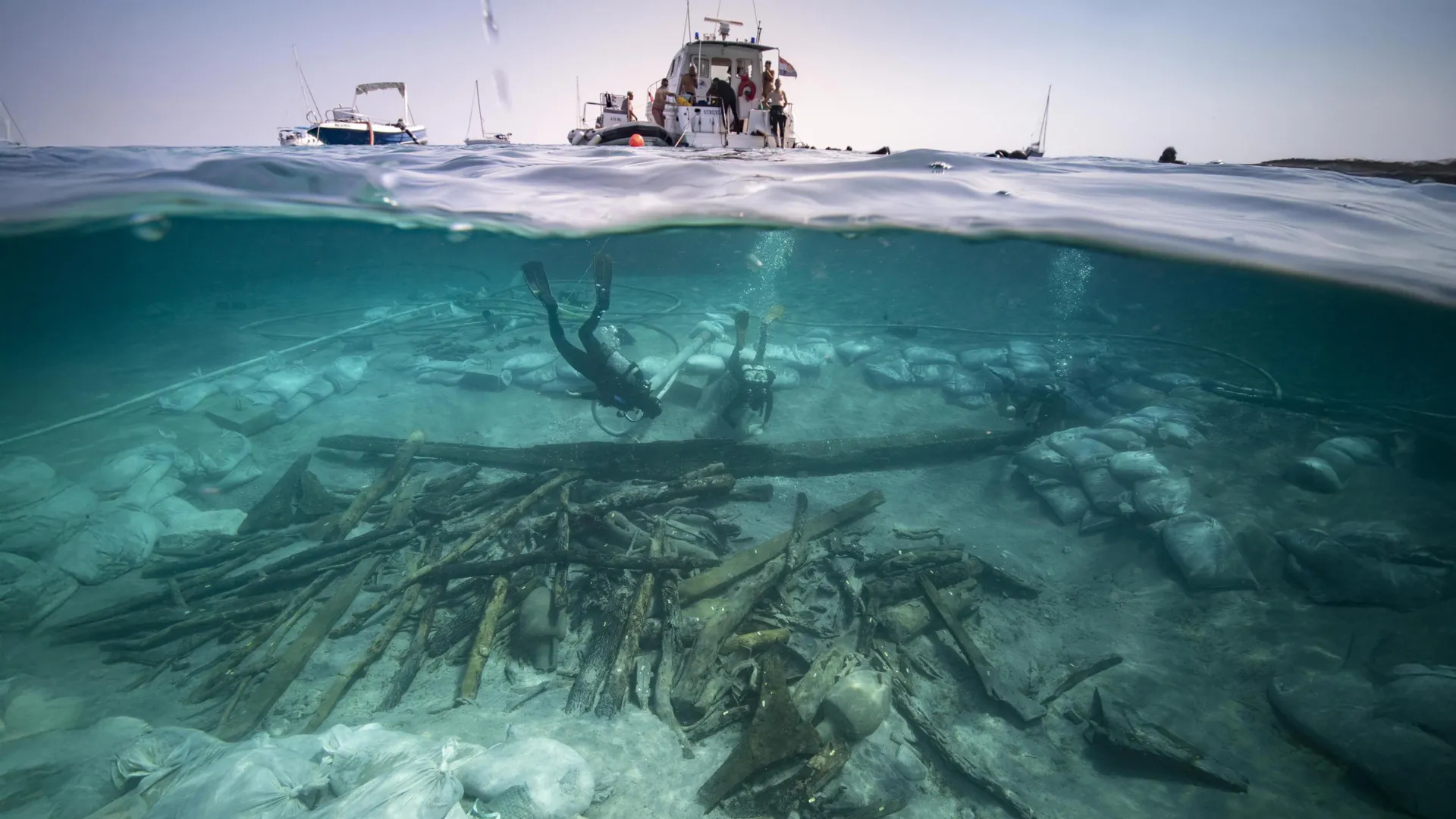
A 2,200-year-old Roman shipwreck has revealed remarkably sophisticated maritime engineering, offering modern researchers an unprecedented look at how ancient shipbuilders protected their vessels from the sea. Scientists examining the submerged timbers uncovered a durable waterproofing compound formulated from pine tar and beeswax. The resilient mixture not only shielded the hull from seawater but also sealed microscopic biological evidence within its layers.
Beyond preserving the wooden hull, the ancient sealant has emerged as an unexpected historical archive. Trapped inside the layers of pine tar and beeswax are microscopic pollen grains that adhered to the wet pitch when it was first applied and during subsequent maintenance. These microscopic botanical signatures provide researchers with tangible environmental clues about where the materials originated and where the ship operated.
By analyzing the specific pollen varieties locked within the waterproofing matrix, scientists are working to reconstruct the geographic movements of the vessel. The flora captured in the pitch reflects the local plant life present during the construction and caulking process. This environmental fingerprint allows researchers to determine potential ports of call, regional timber harvesting zones, and coastal areas where the vessel docked.
In antiquity, maintaining a wooden hull required constant vigilance against rot, marine borers, and persistent water infiltration. Shipbuilders across the Mediterranean relied on pitch, resins, and waxes to seal seams between hull planks and protect exterior surfaces. The specific combination of pine tar and beeswax demonstrated on this vessel underscores a deliberate, highly evolved understanding of material properties and chemical durability.
Pine tar provided an antiseptic barrier that slowed fungal decay, while pliable beeswax added flexibility and water repellency to withstand the stresses of open-water voyages. Because beeswax remains flexible under fluctuating temperatures, it helped prevent the brittle pitch from cracking as the ship flexed against waves. The deliberate integration of both substances shows that ancient maritime artisans possessed nuanced practical knowledge of composite materials.
The identification of pollen grains inside the coating also opens new avenues for studying ancient maritime maintenance and repair cycles. Ships of this era frequently underwent refitting and resealing in foreign harbors to extend their working lives. Stratified layers of sealant applied over time may reveal distinct seasonal pollen profiles, potentially chronicling multiple shipyard visits throughout the vessel's operational history.
The discovery carries broad implications for maritime archaeology and the historical understanding of trade networks in antiquity. Rather than relying solely on surviving cargo artifacts such as ceramic amphorae or ballast stones, researchers can now utilize the physical structure of shipwrecks to trace ancient journeys. This micro-botanical approach allows archaeologists to recover lost navigation data even when a wreck's primary cargo has been looted, scattered, or decomposed.
Archaeological teams are continuing their examination of the samples to identify the exact botanical species preserved within the sealant. Further palynological studies and chemical analyses are expected to map the ship's itinerary with greater geographic precision. As analytical techniques advance, researchers anticipate that similar organic residues from ancient shipwrecks worldwide will yield vital new details about early maritime trade and technology.
Primary source: ScienceDaily. Newzly rewrites and structures source reporting for clarity; verify critical details at the original.