Artemis III: NASA’s Earth-orbit rehearsal for a Moon landing
NASA plans to use Artemis III in 2027 to test spacecraft operations in Earth orbit, preparing for the Artemis IV mission intended to land astronauts on the Moon in 2028.
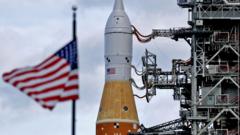
NASA’s Artemis III mission is planned as a crewed rehearsal in Earth orbit, testing crucial systems before the agency attempts a lunar landing with Artemis IV in 2028. Targeted for launch in 2027, the mission will focus on bringing spacecraft together and demonstrating operations needed for future journeys to the Moon’s surface.
The distinction is important: Artemis III will not itself land astronauts on the Moon. Under NASA’s revised mission sequence, it provides an intermediate flight test, allowing crews and engineers to evaluate equipment and procedures before using them on a lunar expedition.
NASA’s Space Launch System rocket will launch four astronauts aboard the Orion spacecraft from Kennedy Space Center in Florida. According to the agency’s mission overview, Orion will then demonstrate rendezvous and docking with test versions of one or both commercial human landing systems being developed by SpaceX and Blue Origin.
Those manoeuvres are central to the landing plan because Orion and the lunar lander perform different jobs. Orion carries astronauts on their journey, while a separate landing spacecraft transports the surface crew down to the Moon and back to lunar orbit. Connecting the vehicles is therefore an essential part of the mission, not simply a supporting exercise.
NASA says the Earth-orbit demonstration is intended to reduce risk and build operational experience. Its plans include checking how spacecraft systems work together, with assessments covering life support, communications and propulsion. Testing the combined vehicles gives teams an opportunity to identify problems before attempting a crewed landing.
The flight also sits within a broader change to the Artemis programme announced in February 2026. NASA added the Earth-orbit test and placed the first planned Artemis lunar landing under Artemis IV. The agency’s inspector general noted that its audit had not evaluated the cost, schedule or technical consequences of that change.
Artemis IV is the next major objective, with NASA’s mission page listing a launch target of early 2028. The plan calls for astronauts to travel to lunar orbit, where two crew members would transfer to a lander and descend near the Moon’s South Pole.
The surface crew would spend approximately a week conducting science before returning to their colleagues in orbit for the journey home. NASA says the observations, samples and data gathered there are intended to improve understanding of the Moon, Earth and the wider solar system. That scientific work forms part of the programme’s ambition to establish a sustained lunar presence.
Beyond Artemis IV, NASA anticipates another surface mission, Artemis V, in 2028, followed by an annual flight cadence. Those dates remain planning targets rather than guaranteed launch commitments. For Artemis III, the immediate task is narrower: demonstrate that the spacecraft and operational procedures needed for landing missions can work together before astronauts rely on them at the Moon.
Primary source: BBC Science. Newzly rewrites and structures source reporting for clarity; verify critical details at the original.