At Least 34 Dead After Europe-Bound Migrant Boat Sinks off Senegal
At least 34 people have died after a boat carrying Europe-bound migrants capsized off the coast of Senegal, underscoring the lethal dangers of the Atlantic crossing toward Spain's Canary Islands.
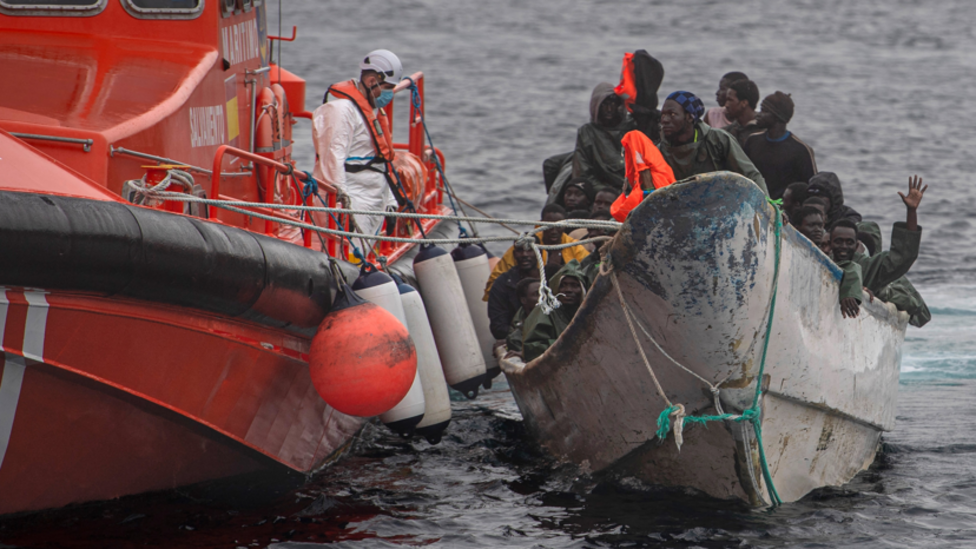
At least 34 people have died after an Europe-bound vessel carrying migrants capsized off the coast of Senegal, according to reports from BBC World. The disaster marks another devastating incident along one of the world's most perilous maritime migration corridors. Emergency responders and regional authorities have been responding to the aftermath as the scale of the loss became clear off the West African coastline.
The vessel had reportedly set out with the intention of navigating the open ocean toward Spain's Canary Islands, an archipelago that serves as a primary Atlantic gateway into European territory. The journey spans hundreds of miles across unpredictable and often violent ocean currents. For years, the route has drawn thousands of migrants willing to risk their lives in pursuit of economic opportunity and greater stability.
Maritime crossings departing from West African shores routinely face severe logistical and environmental hazards. Passengers frequently travel aboard wooden fishing pirogues or rudimentary skiffs that are rarely equipped for high-seas navigation or severe weather. Overcrowding, inadequate navigational equipment, and a lack of essential safety gear such as life vests routinely turn mechanical breakdowns into catastrophic emergencies.
The Atlantic passage has developed a reputation among humanitarian organizations as one of the deadliest maritime routes attempted by migrants worldwide. Unlike relatively narrower Mediterranean crossings, boats heading toward the Canary Islands must navigate deep open waters where currents can sweep vessels far out into the Atlantic if engines fail. In many past instances, boats have disappeared entirely without distress calls ever reaching search and rescue teams.
Socioeconomic challenges across parts of West Africa continue to push young people toward dangerous migration corridors despite the widely documented risks. Widespread unemployment, inflation, climate-driven strains on traditional fishing and agriculture, and localized political tensions have fueled a sense of urgency among those seeking alternative livelihoods abroad. Many families pool savings to finance passage for relatives, hoping for remittances that can sustain households back home.
Senegal and other coastal West African nations have increasingly become focal points for departures as Mediterranean routes face tightened surveillance and enforcement. Increased policing along North African borders has pushed smuggling networks to activate or intensify longer, riskier sea journeys further south. While the Canary Islands route had seen fluctuations in traffic over previous decades, recent years have recorded substantial surges in both successful landings and deadly shipwrecks.
European governments and Spanish authorities have stepped up cooperation with West African governments to curb irregular maritime departures through joint coastal patrols and financial assistance programs. Bilateral agreements have sought to improve radar surveillance, provide interceptor craft, and support local law enforcement initiatives aimed at disrupting smuggling operations. Despite these interdiction efforts, clandestine departures continue to take place late at night from secluded beaches along the coast.
Human rights advocates and migration experts emphasize that deterrence-focused border policies alone have proven insufficient to halt dangerous sea journeys. Aid groups have repeatedly urged international policymakers to expand legal and orderly migration channels, while simultaneously investing in local economic opportunities to address root causes. Humanitarian workers warn that without systemic alternatives, desperate individuals will continue turning to illicit networks willing to profit from risky crossings.
The immediate focus following the sinking remains on determining the full extent of the tragedy, identifying victims, and establishing whether additional passengers remain unaccounted for in the water. Local communities along the Senegalese coast often bear the deepest emotional toll, as families wait anxiously for news regarding missing loved ones who may have boarded the ill-fated vessel.
Primary source: BBC World. Newzly rewrites and structures source reporting for clarity; verify critical details at the original.