Cruise Ship Pianist Rescued Off California Coast After Nine Hours at Sea
Two American fishermen pulled a cruise ship pianist to safety after spotting him treading water 20 miles off the California coast, ending a harrowing nine-hour survival ordeal at sea.
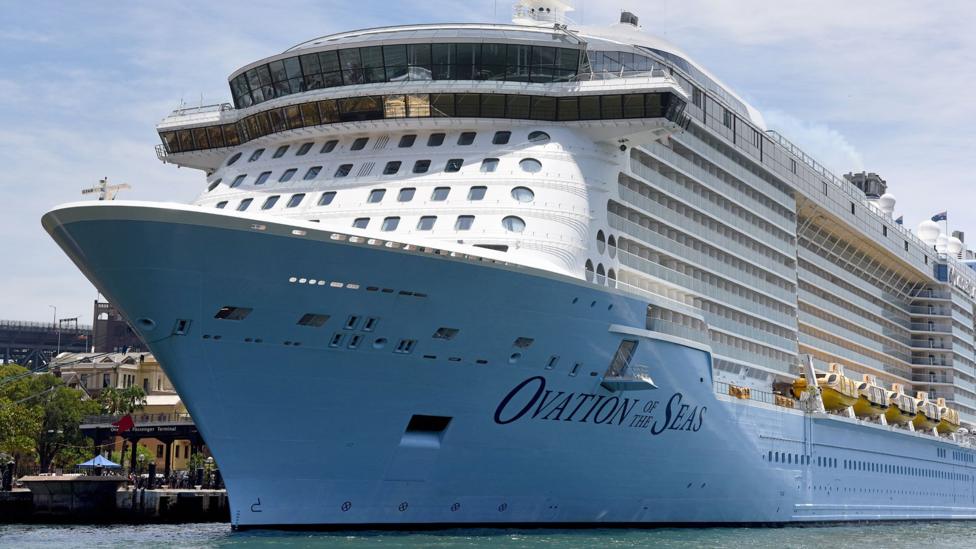
A cruise ship pianist has been rescued from the Pacific Ocean after surviving approximately nine hours treading water off the coast of California. The performer was spotted and pulled from open water roughly 20 miles (32 kilometers) from shore by two American fishermen who came across him unexpectedly. The unexpected recovery concluded an agonizing ordeal that left the survivor adrift dozens of miles from the mainland.
According to accounts provided by the two fishermen, they observed the man struggling to remain afloat in the open sea before maneuvering their vessel to render assistance. Spotting an individual in the vast Pacific without emergency beacons or flotation gear represents an extraordinarily fortunate sighting. The crew acted swiftly to retrieve the swimmer from the water before his physical condition deteriorated further.
Surviving nine hours of open-water immersion off California poses severe physiological hazards, chief among them hypothermia, physical exhaustion, and dehydration. Ocean temperatures along the regional coastline frequently stay low enough to impair muscle coordination and consciousness within hours. Remaining buoyant for such an extended period without specialized survival equipment requires immense physical resilience.
The specific circumstances surrounding how the entertainer entered the water from the cruise vessel have not yet been publicly confirmed. It remains unclear whether the incident occurred due to an accidental fall, during nighttime transit, or under other conditions while the ship traversed coastal waters. Key details regarding the ship's itinerary and the exact timeline of his disappearance also await formal clarification.
Modern commercial cruise ships are subject to strict maritime safety regulations, including man-overboard detection systems and emergency search protocols. Whenever a passenger or crew member goes missing over the side, vessels typically initiate immediate track-back maneuvers and coordinate with coast guard authorities. Such operations depend heavily on pinpointing the exact coordinates and time an individual went over.
Finding a lone person adrift in open ocean waters presents formidable challenges for search teams due to shifting currents, wave swells, and surface reflection. A solitary swimmer presents a minimal profile above the waterline, making visual identification nearly impossible from a distance. The fact that two private fishermen successfully identified and retrieved the man underscores the extraordinary luck involved.
Following his recovery, the pianist is expected to receive intensive medical assessment to treat exposure, fatigue, and potential respiratory risks from seawater inhalation. Individuals rescued after prolonged maritime exposure often require stabilization in clinical settings to prevent secondary complications. Both medical staff and transport officials prioritize rapid warming and hydration in such emergencies.
Maritime safety authorities and the cruise line are expected to review shipboard surveillance, security logs, and crew manifests to reconstruct the sequence of events. Thorough inquiries following high-seas overboard incidents are routine to determine whether safety barriers, structural features, or operational standards were involved. Official findings are likely to emerge as investigators conclude interviews and examine navigational records.
For now, the rescue remains an extraordinary story of survival along the Pacific coast, celebrated primarily for the alertness and prompt intervention of the two civilian fishermen. Further statements from maritime officials or representatives of the performer are anticipated as recovery efforts conclude. The incident serves as a striking reminder of both the perils of offshore waters and the life-saving impact of vigilant mariners.
Primary source: BBC World. Newzly rewrites and structures source reporting for clarity; verify critical details at the original.