Egypt Train Collision Kills at Least Seven, Leaves More Than 100 Injured
At least seven people were killed and more than 100 injured when two passenger trains collided south of Cairo on Sunday, prompting Egypt's president to order an immediate investigation.
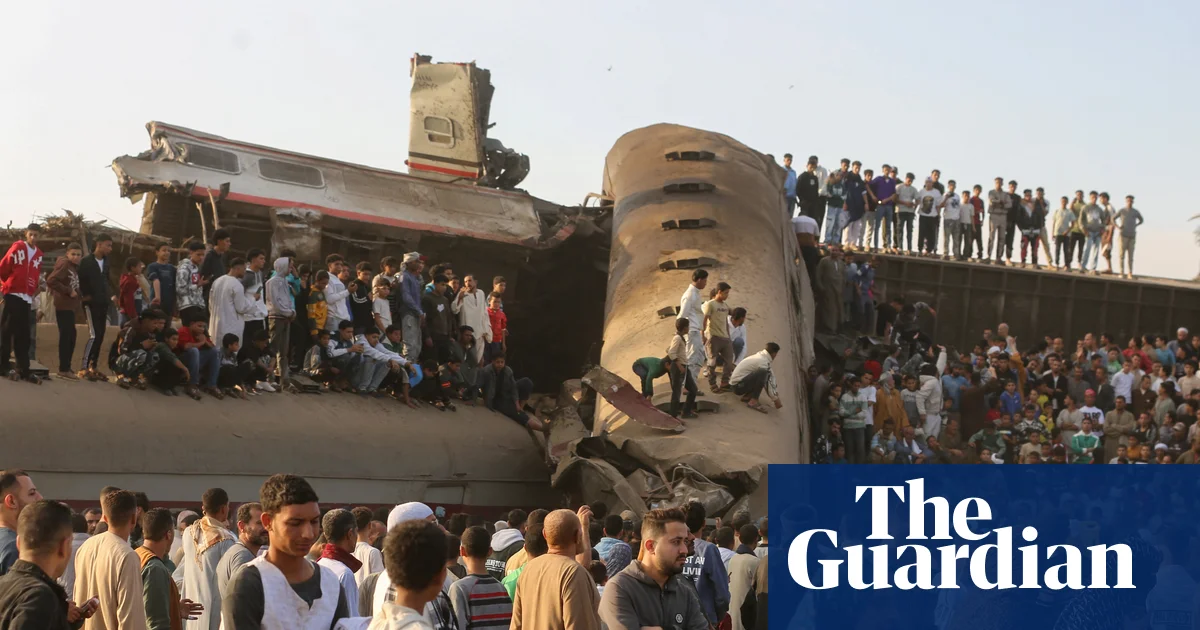
At least seven people were killed and more than 100 others injured on Sunday when two passenger trains collided south of Cairo, Egyptian officials confirmed. The fatal impact sent shockwaves through the region as emergency rescue teams scrambled to reach trapped commuters.
According to statements from Egypt's transport ministry, the disaster occurred in the al-Ayyat district within Giza province, roughly 30 miles south of the capital. The collision took place when a passenger train travelling toward Fayoum province crashed into the rear of another service headed to the southern city of Aswan.
The force of the collision caused at least one train to derail, crushing carriages and scattering debris across the tracks. Emergency crews and local medical workers mobilized quickly to pull survivors from the wreckage and transport dozens of wounded passengers to regional medical facilities.
In the immediate aftermath of the tragedy, Egypt's president directed authorities to launch a prompt and comprehensive investigation into the incident. Investigators have been tasked with identifying how the two services came to share the same stretch of track and why warning mechanisms failed to prevent the impact.
The collision has refocused widespread attention on railway safety and infrastructure maintenance throughout Egypt. The nation's rail network serves as a critical transit artery for millions of citizens each day, linking Cairo with agricultural towns and major population centers across the Nile Valley.
Egyptian railways have experienced several major collisions and derailments over recent decades, often linked to challenges with outdated signalling infrastructure, human error, and strained maintenance budgets. Tragedies of this scale have periodically prompted public outcry and led to sweeping government pledges to modernize signals, tracks, and rolling stock.
The rail corridor connecting Cairo with southern governorates like Fayoum and Aswan is among the busiest routes in the country, carrying high volumes of daily commuters, students, and long-distance travelers. When accidents occur on these high-traffic arteries, the logistical disruption ripples across the wider transport grid while raising urgent questions about operating protocols.
For residents in al-Ayyat and neighboring communities across Giza province, the crash brought immediate grief and strain on nearby emergency healthcare systems. Families gathered at local hospitals seeking news of relatives who were traveling along the route during the Sunday collision.
Officials noted that search and clearance operations were ongoing at the crash site as technical crews evaluated the structural damage to the line. Authorities are working to verify the full extent of casualties while coordinating specialized medical assistance for those suffering from severe trauma.
Formal inquiries by the transport ministry and public prosecution are expected to review dispatch logs, track switching data, and crew communications to establish exact liability. The government has stressed that the findings of the presidential probe will guide necessary accountability measures and institutional reforms going forward.
Primary source: The Guardian World. Newzly rewrites and structures source reporting for clarity; verify critical details at the original.