MV Odyssey Residential Cruise Abruptly Strands Passengers in Cambodia
A perpetual world cruise marketed as an escape from global politics has abruptly stranded over 200 passengers in Cambodia after soaring fuel costs and Middle East conflict doomed the voyage.
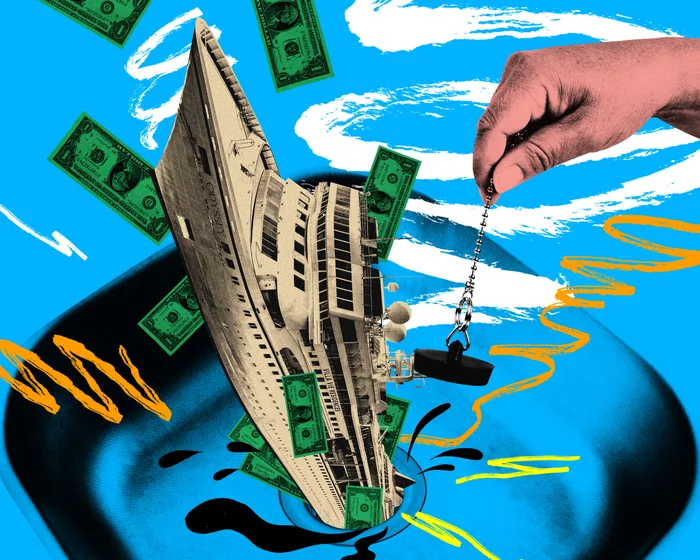
More than 200 passengers pursuing a perpetual retirement at sea have been left stranded in Sihanoukville, Cambodia, after the residential cruise ship MV Odyssey abruptly halted its worldwide voyage. Operating company Villa Vie Residences informed residents that the expedition was suspended with immediate effect, giving travelers as little as seven hours to gather their belongings and disembark the vessel. The sudden termination ended months of global travel and plunged scores of international voyagers into immediate logistical turmoil far from home.
The vessel had originally been promoted as a continuous global voyage designed for travelers seeking a permanent or multi-year life on the high seas. Following the November 2024 United States presidential election, the company heavily marketed specialized multi-year itineraries as an ultimate escape from domestic political division under Donald Trump. Promotional materials offered disaffected Americans and international guests a chance to bypass ongoing geopolitical turmoil entirely by residing full-time aboard a self-contained luxury liner.
Securing a cabin aboard the MV Odyssey required massive financial commitments from prospective residents, many of whom were entering the autumn of their lives. Multi-year journey tiers cost tens of thousands of dollars, while permanent lifetime cabin ownership packages were sold for more than two hundred thousand dollars. In order to finance the dream of never-ending life at sea, numerous retirees sold their land-based homes, liquidated domestic assets, and permanently severed conventional residential ties.
The enterprise ran into catastrophic operational and financial difficulties as escalating geopolitical conflict in the Middle East severely roiled global energy supplies. The regional crisis and naval disruptions around crucial maritime choke points precipitated a sharp international oil shock. Marine gas oil and heavy fuel prices across major Asian ports surged to unprecedented levels, rapidly destabilizing the economics of long-haul passenger shipping.
According to industry reporting, the escalating energy crisis caused monthly per-cabin fuel costs to surge from historical averages of roughly eighteen hundred dollars to as much as eight thousand dollars. The operator found itself entirely unable to absorb these spiraling expenditures or pass such astronomical surcharges onto cabin holders without violating existing resident agreements. With fuel reserves and operating cash rapidly depleting, the venture’s commercial model deteriorated faster than management could implement contingencies.
Faced with unsustainable cash burn and mountingly steep port fees, the cruise operator made the unilateral decision to halt operations once the vessel reached Southeast Asia. Passengers received a stark and hurried notice explaining that their journey would proceed no further than the Cambodian coast. The sudden shutdown stranded residents without prearranged hotel accommodations, connecting transport, or immediate financial support from the cruise line.
In the coastal city of Sihanoukville, bewildered travelers have been forced to navigate complex consular systems and arrange costly emergency return travel. Because a substantial portion of the ship’s community had sold off their domestic residences before boarding, many have no permanent home to return to in their native countries. Disembarked retirees have expressed shock and despair at finding themselves cast ashore in a foreign port with little official assistance.
Industry analysts emphasize that residential cruise concepts inherently carry severe economic vulnerabilities due to their fixed pricing frameworks and exposure to volatile global commodities. Unlike traditional week-long vacation cruises that can readily adjust itineraries or dock temporarily to weather market shifts, perpetual cruise operations cannot easily hedge against prolonged geopolitical disruptions. When macro shocks drive overheads beyond sustainable thresholds, private operators often lack the balance sheets necessary to shelter long-term residents.
Passengers are now conferring with legal representatives and evaluating consumer protection avenues to seek refunds for cabin purchases, unused prepaid maintenance fees, and repatriation costs. The ship operator faces intense scrutiny regarding passenger welfare obligations and the long-term viability of its remaining maritime assets. For the stranded voyagers in Cambodia, the promise of an idyllic escape from global instability has instead collided directly with the harsh realities of world events.
Primary source: The Guardian Business. Newzly rewrites and structures source reporting for clarity; verify critical details at the original.