Bill Maher Draws Scrutiny Over Karoline Leavitt Interview Following White House Dinner
HBO host Bill Maher faced fresh criticism after interviewing Karoline Leavitt on 'Real Time,' coming shortly after attending an intimate White House dinner with President Donald Trump.
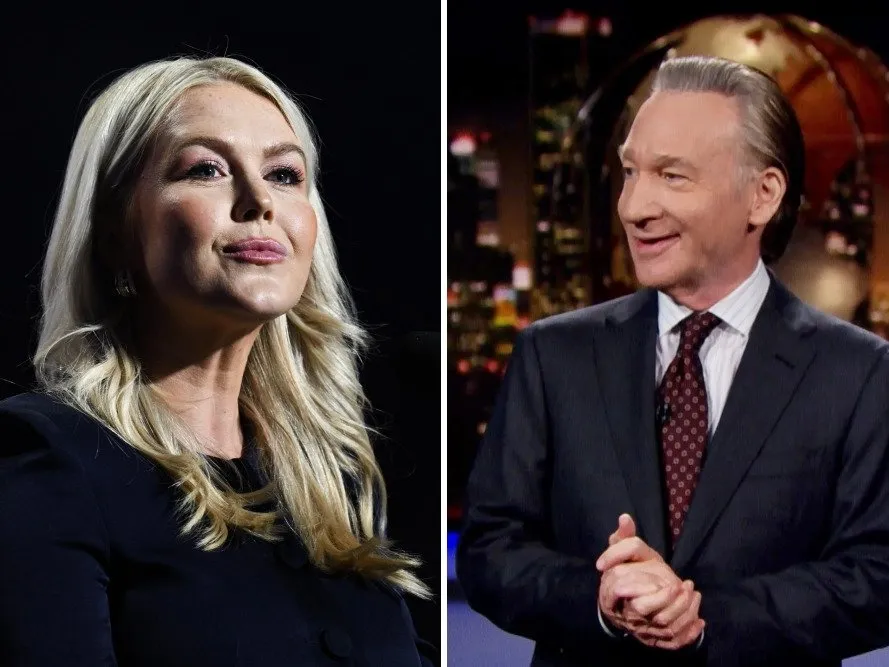
HBO host Bill Maher has found himself at the center of growing industry attention following a widely discussed "Real Time" interview involving Karoline Leavitt. The exchange has ignited broader conversations across media circles regarding the veteran satirist's evolving posture toward figures inside President Donald Trump's inner circle. According to coverage from Variety, the encounter highlighted an increasingly complicated rapport between the late-night commentator and prominent conservative political figures.
The broadcast follows a notable social appearance earlier this month, when the 70-year-old television host attended a dinner at the White House hosted by President Trump. Maher was joined at the executive mansion by musician Kid Rock and sports commentator Stephen A. Smith. The gathering represented a striking convergence of entertainment personalities, sports figures, and political leadership, drawing immediate public intrigue given Maher's long track record of on-air political critique.
Following that gathering, President Trump publicly suggested to reporters that Maher's sharp on-screen criticisms are largely theatrical rather than deeply personal. The president intimated that the late-night host's combative commentary functions primarily as bluster designed for broadcast television, asserting to the press that Maher privately likes him. Those public remarks set an awkward backdrop for subsequent programming on "Real Time," where Maher regularly assesses executive branch actions.
That dynamic was placed under immediate pressure during Maher's interaction with Karoline Leavitt. As the interview unfolded, critics and media commentators closely evaluated whether the host would maintain his characteristic skepticism or adopt a more accommodating posture toward Trump's orbit. The resulting discussion prompted observers to question how effectively late-night interviewers can navigate personal access to the presidency while sustaining independent editorial oversight.
The friction underscores a broader challenge facing political satire and commentary in a sharply divided media landscape. For decades, programs like "Real Time" built their reputations on a willingness to challenge authority across ideological lines without granting diplomatic quarter. When high-profile commentators transition from external observers to White House dinner guests, audiences and industry analysts inevitably scrutinize whether editorial distance has begun to erode.
For Trump and his communications network, engaging directly with figures like Maher, Stephen A. Smith, and Kid Rock serves as a deliberate media strategy. By cultivating relationships with influential voices who reach independent and non-traditional audiences, the administration can dilute adversarial coverage and reframe persistent criticism as mere entertainment. Trump's candid remarks regarding Maher's private sympathies reflect an active effort to disarm sharp critiques by characterizing them as public performance.
At age 70, Maher occupies a unique position as one of the longest-running political commentators in American premium television. Throughout his tenure on HBO, he has consistently defended his willingness to converse across cultural and political divides, often pushing back against accusations of partisan bias. However, balancing open dialogue against the risk of serving as a friendly platform for political officials remains an ongoing tightrope for the host and his production team.
Moving forward, industry observers will be watching upcoming installments of "Real Time" to see how Maher addresses the fallout from the Leavitt interview and the president's characterizations. As coverage from Variety and other media outlets demonstrates, the line between adversarial journalism, cultural commentary, and insider access will remain subject to intense debate. How Maher negotiates that balance in subsequent broadcasts will likely shape both the tone of his program and his standing among late-night viewers.
Primary source: Variety. Newzly rewrites and structures source reporting for clarity; verify critical details at the original.