Blast on Russian Ship Docked in Benghazi Suspected to Be Drone Attack, Libyan Authorities Say
An explosion aboard a Russian vessel docked at a naval base in Benghazi was caused by a suspected drone strike, according to Libya’s eastern-based authorities, amid heightened long-range attacks targeting Russian assets.
In this piece
Libyan authorities in the country's eastern administration report that an explosion on a Russian ship docked at a Benghazi naval base was caused by a suspected…
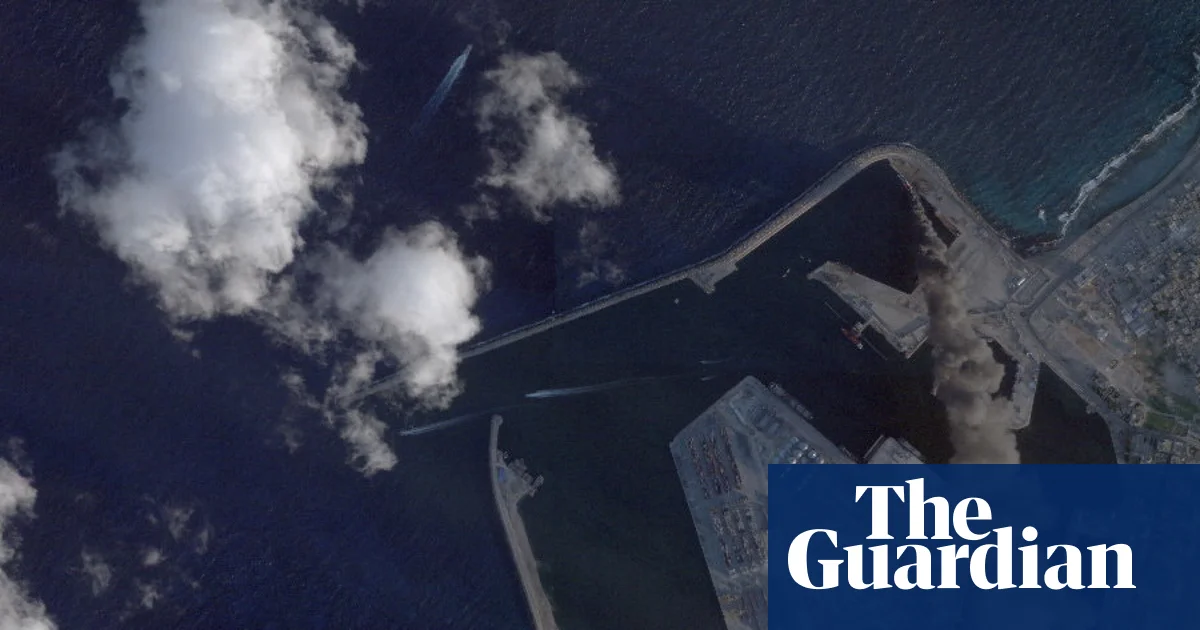
An explosion aboard a Russian vessel docked at a naval base in the eastern Libyan port city of Benghazi was caused by a suspected drone attack, according to statements from Libya’s eastern-based government. The incident occurred while the ship was berthed in the Mediterranean port during its return journey toward Russia. Authorities in the region have initiated investigations into the circumstances surrounding the blast.
No group or state has immediately claimed responsibility for the strike on the vessel. Local officials have not publicly detailed the extent of the physical damage sustained by the ship or confirmed whether any crew members suffered casualties. The eastern Libyan authorities have characterized the incident as an apparent unmanned aerial strike, underscoring emerging security vulnerabilities across regional port facilities.
The suspected attack comes during a period when Ukrainian forces have increasingly ramped up long-range barrages against Russian assets, targeting strategic infrastructure far beyond active frontlines. While no official link has been confirmed between Kyiv and the Benghazi explosion, military observers note that maritime and logistics hubs supporting Russian operations have faced heightened scrutiny. The incident reflects how geopolitical conflicts can spill into peripheral operational corridors.
Benghazi has historically served as a pivotal maritime node along the North African coast, housing significant naval infrastructure controlled by Libya's eastern administration. Russian naval and transport vessels have periodically utilized Mediterranean ports to facilitate transit, supply movements, and broader strategic deployments. A drone strike targeting a vessel stationed within such a naval facility represents a rare and notable breach of perimeter defenses.
Libya remains politically and administratively divided between rival authorities based in the west and the east, each maintaining distinct alliances and security arrangements. The eastern administration oversees Benghazi and its surrounding military infrastructure, maintaining its own defense protocols and diplomatic connections. Incidents involving foreign-flagged or foreign-operated military assets within these installations risk complicating an already delicate regional equilibrium.
The suspected employment of an unmanned aerial vehicle in the Benghazi strike illustrates the expanding proliferation and accessibility of drone technology in modern warfare. Commercial and specialized maritime vessels are increasingly exposed to low-cost, remote strike mechanisms while berthed in ports or navigating narrow maritime passages. Security analysts emphasize that safeguarding harbors against asymmetric aerial threats presents persistent logistical challenges for port operators worldwide.
The vessel’s presence in Benghazi while en route to Russia highlights the continued operational reliance on Mediterranean sea routes for long-distance transit. Sea lanes connecting the Mediterranean Sea to the Black Sea and Russian northern ports are vital lifelines for cargo and strategic equipment. Any persistent disruption or threat to shipping in North African ports could force operators to reconsider transit routes and port security commitments.
Regional authorities in eastern Libya are expected to heighten security measures around port installations and naval facilities following the explosion. Military investigators are working to ascertain the launch point of the suspected drone, including whether it originated from a maritime vessel offshore or from nearby coastal territory. The findings will likely be scrutinized by international observers seeking to understand the reach of non-state actors or foreign forces operating in the area.
Moving forward, the absence of a verified claim of responsibility leaves open several possibilities regarding the origin and objective of the strike. Both Libyan eastern officials and Russian authorities are anticipated to reassess defense arrangements at maritime transit hubs across the Mediterranean basin. As the investigation progresses, the incident stands as a potent reminder of the volatile intersection between Mediterranean security and broader international confrontations.
Primary source: The Guardian World. Newzly rewrites and structures source reporting for clarity; verify critical details at the original.