Will Burnham’s Strategy of Everyday Fixes Win Over Voters?
Prime Minister Andy Burnham is prioritising quick fixes to potholes and bus fares to prove government delivery, banking on small everyday solutions to secure lasting public trust.
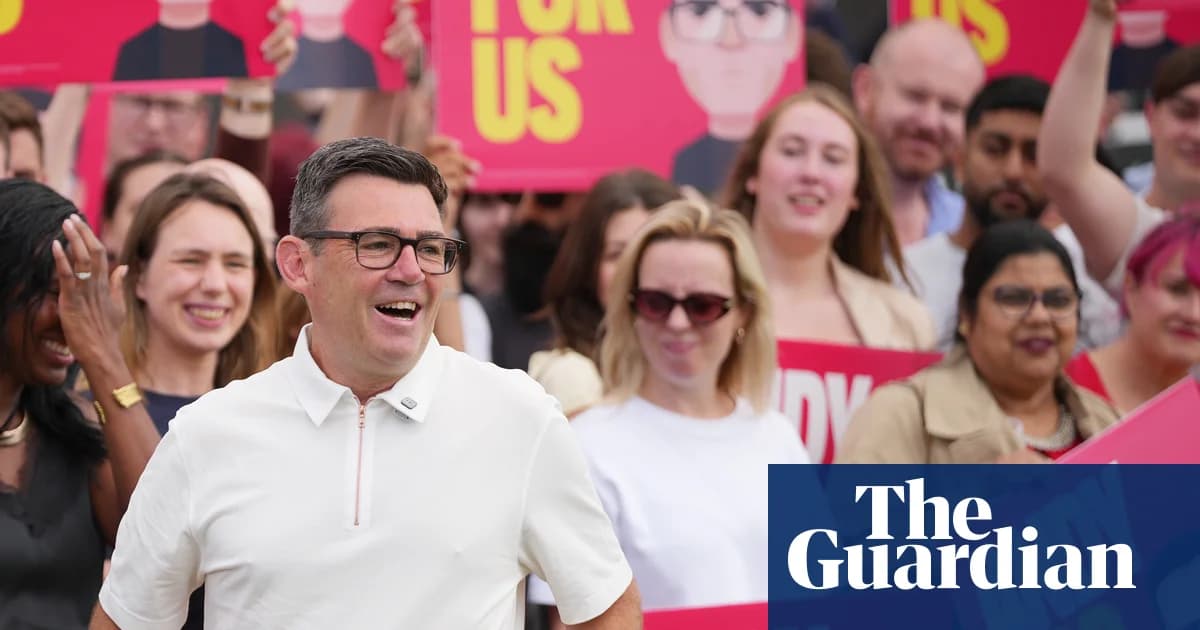
Prime Minister Andy Burnham has launched a governance drive focused on practical everyday fixes, seeking to demonstrate tangible improvements in British daily life. The strategy prioritises addressing common public grievances, including road potholes, local bus fares, and passengers playing loud audio on public transport without headphones. Government insiders have expressed satisfaction with initial public reception, viewing these rapid, visible measures as essential proof of delivery.
The approach reflects a perennial ambition in British politics to discover universally popular and immediate solutions to voter frustrations. In political satire, such attempts were famously parodied in Armando Iannucci’s series The Thick of It, where a desperate minister hunted for policies that were instantly applicable, cost-effective, and impossible to oppose. For Downing Street, however, the current initiative is treated as serious retail politics rather than a fleeting communications exercise.
Central to the programme are high-visibility transport interventions designed to make daily commuting smoother and more affordable. Ministers have leaned heavily on nationwide bus fare caps alongside dedicated funding streams to repair deteriorating road surfaces and eliminate potholes. By targeting the small, recurring friction points of local journeys, the administration aims to deliver immediate financial and practical relief to regular travellers.
The crackdown on antisocial transport behaviour has similarly seized public attention through measures aimed at so-called headphone dodgers. Transit authorities are being supported to curb disruptive noise and enforce penalties against individuals blasting music or videos aloud in shared carriages. Proponents maintain that restoring basic standards of shared public courtesy addresses an issue that traditional macro-policy persistently overlooks.
The political rationale rests on demonstrating that government can function effectively on basic domestic responsibilities. Insiders argue that previous administrations often foundered by promising complex, multi-decade structural transformations while visible public infrastructure and services visibly declined. By contrast, achieving visible wins on neighbourhood streets is seen as a vital prerequisite for regaining broader public trust.
Despite early enthusiasm within Whitehall, the strategy faces scrutiny from critics who question whether small fixes can substitute for structural reform. Sceptics argue that repairing potholes and capping bus tickets, while welcome, do not resolve fundamental economic challenges such as strained public finances and sluggish productivity. Some policy analysts warn that an excessive focus on micro-interventions risks obscuring the difficult trade-offs required for long-term national renewal.
Delivering these targeted improvements also depends heavily on the operational capacity of councils and regional authorities. Many local councils across England continue to operate under severe budgetary strain, complicating efforts to sustain road maintenance programmes and transport subsidies. Ensuring that national policy directives translate into consistent on-the-ground enforcement and rapid repairs remains a formidable logistical test.
For Labour, the success of the initiative represents a crucial test of whether pragmatic retail governance can sustain a durable electoral coalition. If voters perceive genuine improvements during their daily commutes and in their neighbourhoods, Downing Street will claim vindication for its pragmatic stance. Conversely, any failure to keep roads smooth or buses reliable could leave the administration open to accusations of trivialising governance.
Looking ahead, ministers will need to balance the momentum of everyday fixes with broader legislative priorities. The government plans to monitor public satisfaction metrics closely across regional transport networks as these retail measures expand. Whether this focus on daily irritations evolves into a coherent long-term governing philosophy or remains a tactical phase will define the next chapter of Burnham’s premiership.
Primary source: The Guardian Business. Newzly rewrites and structures source reporting for clarity; verify critical details at the original.