Cadbury Owner Mondelēz Demands Vegan Brand Moo Free Pull 'Snowballs' From Shelves
Mondelēz International has sent a legal warning to British vegan confectioner Moo Free, demanding the removal of its White Choccy Snowballs in a trademark battle over festive confectionery naming rights.
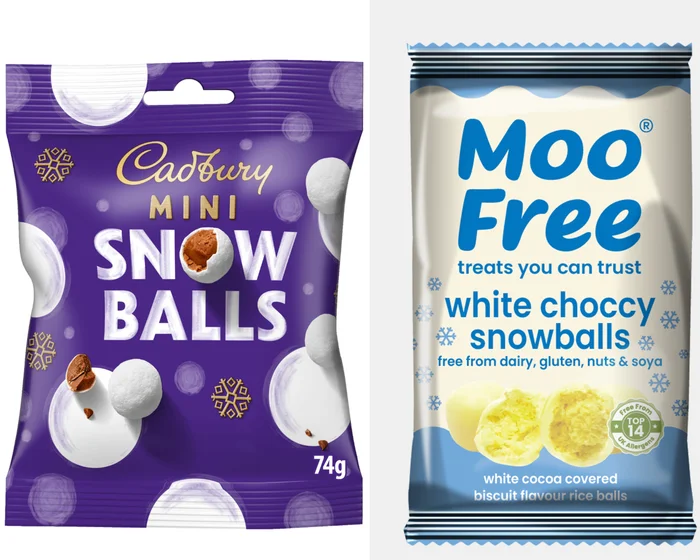
Confectionery giant Mondelēz International has launched a trademark challenge against British vegan confectionery maker Moo Free, demanding the immediate withdrawal of a festive sweet treat from store shelves. The multinational food conglomerate, which owns iconic brands including Cadbury and Toblerone, sent a formal legal letter alleging that Moo Free infringed on its protected intellectual property. At the centre of the dispute is the seasonal confectionery term "snowball," which Mondelēz argues infringes on its brand rights.
The contested item is Moo Free's White Choccy Snowballs, a seasonal holiday treat marketed to consumers seeking allergen-friendly alternatives. The confectionery item consists of gluten-free, biscuit-flavoured rice balls enrobed in a dairy-free white chocolate coating. Mondelēz contends that marketing the product under that name conflicts with its protected commercial rights linked to its Cadbury Mini Snow Balls line.
In its legal correspondence, Mondelēz demanded that Moo Free pull the product line from supermarket displays and halt further distribution. The demand puts immediate commercial pressure on the independent British confectioner during the crucial seasonal shopping buildup. For seasonal treats, the final months of the year represent the primary window to capture holiday sales and maintain retail partnerships.
The challenge follows similar intellectual property actions by Mondelēz to protect its portfolio of global confectionery brands. The conglomerate has previously taken legal action against a British vegan chocolate brand to defend the distinctive chunky shape associated with Toblerone. The recurring disputes demonstrate Mondelēz's vigilant stance in safeguarding product silhouettes, packaging concepts, and descriptive branding against alternative chocolate producers.
Intellectual property disputes over seasonal terms frequently hinge on whether a word is considered distinctively proprietary or merely descriptive of festive items. Confectionery conglomerates often seek broad trademark protections to prevent customer confusion on store shelves and to protect long-standing brand equity. When multinational corporations secure trademarks for festive descriptors, smaller competitors can find their creative marketing avenues constrained.
For an independent alternative brand, product withdrawal demands pose substantial logistical and economic challenges. Removing stock from retailer shelves can lead to immediate inventory write-downs, packaging redesign expenses, and lost shelf positioning during peak trading months. Smaller enterprises facing demands from multinational corporations often have to balance the high costs of litigation against the financial damage of surrendering seasonal inventory.
The dispute also illustrates the rising profile and commercial reach of the plant-based confectionery sector. Dairy-free and gluten-free alternatives have increasingly expanded from specialty health shops onto mainstream supermarket aisles alongside legacy confectionery names. This growing visibility has heightened market competition and prompted legacy confectionery giants to monitor potential brand crossovers far more rigorously.
It remains uncertain how Moo Free plans to respond to the legal letter or whether the dispute will proceed to formal court proceedings. Neither manufacturer has announced an agreement or detailed whether a rebranding compromise is under negotiation. The outcome of the standoff will be closely watched by independent food producers navigating trademark boundaries in the competitive seasonal confectionery market.
Primary source: The Guardian Business. Newzly rewrites and structures source reporting for clarity; verify critical details at the original.