California Coast Battered by King Tides as Officials Warn of Rising Sea Levels
Unusually powerful king tides have flooded coastal neighborhoods and damaged infrastructure across California, leaving civic leaders and scientists warning that the seasonal surges preview the mounting dangers of long-term sea level rise.
In this piece
Powerful king tides supercharged by warm ocean waters have inundated low-lying California communities and battered coastal infrastructure. The seasonal surges,…
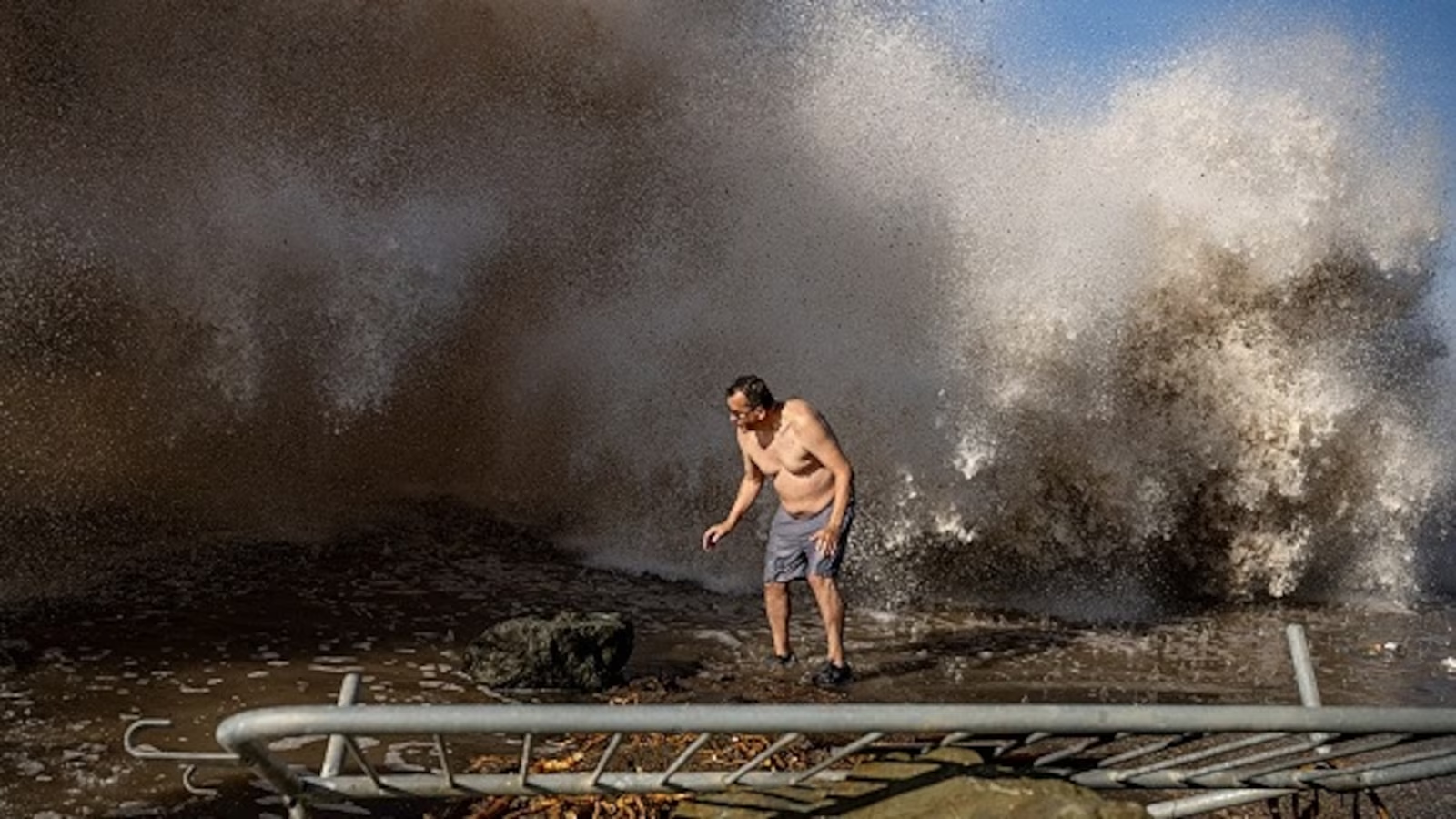
A succession of exceptional king tides has swept across the California coastline, sending ocean waters surging over seawalls, inundating beachfront thoroughfares, and damaging public infrastructure. Coastal communities from Northern California down through the southern shores experienced significant flooding as astronomical high tides converged with heavy Pacific surf. The extreme conditions disrupted daily transit and holiday travel while prompting emergency preparations in multiple waterfront jurisdictions.
Water levels in several coastal zones reached heights not recorded in decades for this time of year. In the San Francisco Bay Area, tide gauges registered some of the highest marks of the season, with readings in San Francisco peaking above eight feet. Waterfront paths and adjacent parking lots were submerged as high water spilled onto low-lying bayside and oceanfront corridors.
The turbulent conditions took a direct toll on local maritime and recreational structures along the exposed coastline. In Pacifica, powerful swells and heightened tides damaged sections of the municipal pier, forcing temporary closures and safety evaluations by municipal crews. Beachfront residences and commercial properties faced repeated inundation as waves washed over protective barriers and deposited debris across roadways.
King tides represent a regular celestial phenomenon occurring when the gravitational pulls of the moon and the sun align at their closest orbital points to Earth. These alignments produce the highest and lowest water marks of the astronomical calendar each year. While seasonal highs are expected annually, the physical impacts vary sharply depending on accompanying meteorological conditions and prevailing ocean temperatures.
Scientists and forecasters noted that this season's high tides were notably magnified by broader atmospheric and oceanic factors, including an active El Niño pattern. Warmer Pacific waters expand in volume and typically elevate baseline sea surface heights along the West Coast. When coupled with wind-driven swells from Pacific low-pressure systems, the elevated baseline turns ordinary tidal crests into hazardous coastal surge events.
Local leaders and environmental planners increasingly regard these severe king tides as a practical preview of the region's future under sustained climate change. Many municipal officials and scientists have described the current flooding as a dress rehearsal for the permanent sea level rise projected over the coming decades. Events that previously occurred once every few years are increasingly mirroring what baseline high tides could look like by mid-century.
The persistent flooding underscores the acute vulnerability of California's coastal transportation networks, drainage systems, and real estate. In many low-lying regions, gravity-fed storm drains become inverted during king tides, preventing inland runoff from escaping and creating sunny-day flooding far from the breaking surf. Communities are consequently grappling with the enormous financial costs required to elevate seawalls, reinforce bluffs, and overhaul aging stormwater networks.
The heightened surge events have intensified regional discussions over coastal resilience strategies and long-term planning frameworks. State and local agencies are actively reviewing options that range from hard engineering defenses to nature-based restorations, such as living shorelines and wetland buffers. In some particularly vulnerable coastal stretches, debates have also accelerated around managed retreat and the viability of sustaining oceanfront properties against recurrent marine flooding.
With winter only just getting underway, emergency managers and weather forecasters are warning that additional rounds of king tides remain on the horizon. Future tidal cycles over the coming months could bring renewed risks of structural damage and beach erosion, especially if accompanied by major winter storms. Coastal authorities are urging residents to remain vigilant, monitor local tide charts, and take necessary precautions as communities prepare for subsequent surges along the shore.
Primary source: Google News California. Newzly rewrites and structures source reporting for clarity; verify critical details at the original.