COP31 Climate Summit Collapses Without Deal Over Fossil Fuel Deadlock
The COP31 United Nations climate summit in Turkiye has collapsed without a final pact after the European Union and allied nations rejected draft text omitting commitments to phase out fossil fuels.
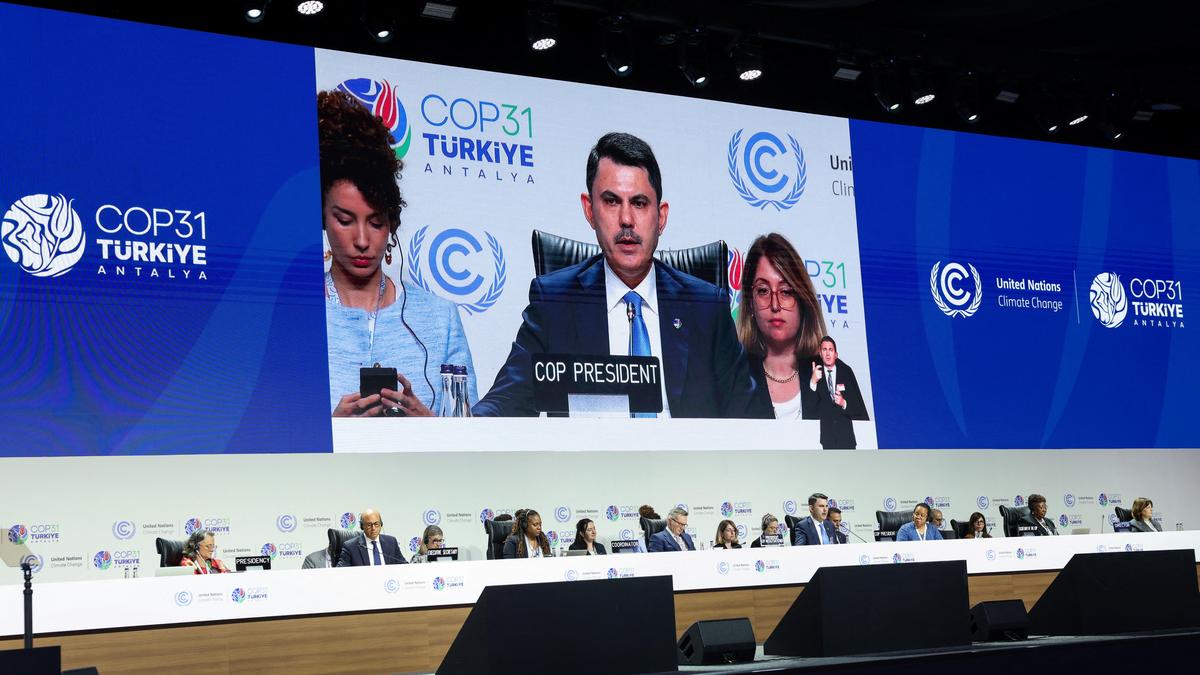
In this piece
United Nations climate negotiations at COP31 in Turkiye have ended without an agreement following bitter divisions over fossil fuels and climate finance. The…
The COP31 United Nations climate summit in Turkiye has ended in collapse without a final agreement, concluding two weeks of contentious diplomacy. Envoys failed to bridge deep ideological divides between major economic blocs, marking one of the most significant diplomatic breakdowns at a global environmental conference in years. The inability to reach consensus leaves critical international climate policy without updated multilateral guidance.
At the center of the collapse was an irreconcilable standoff over language governing the future of fossil fuels. The European Union and allied countries adamantly rejected any final declaration that omitted explicit commitments to phase out or transition away from fossil energy sources. Without enforceable wording on curbing coal, oil, and natural gas usage, European negotiators argued that any resulting declaration would lack environmental integrity and credibility.
The deadlock was further exacerbated by sharp friction surrounding international climate finance. Delegates reported mounting frustration over unfulfilled monetary commitments and vague financial frameworks, which developing nations criticized as empty promises. The refusal of wealthy economies to guarantee concrete funding mechanisms deepened diplomatic fractures, eroding the goodwill required to broker a compromise on energy transitions.
The negotiations in Turkiye had already faced steep procedural and political hurdles as host organizers struggled to balance competing national priorities. Delegations arrived with sharply divergent red lines, creating an atmosphere where compromise proved elusive from the opening sessions. As successive draft texts circulated through backrooms, efforts to dilute energy language only widened the gulf between ambitious reformers and hydrocarbon-dependent states.
When presiding officials presented compromise proposals that sidelined fossil fuel phase-out targets, pushback was immediate and decisive. Coalitions demanding aggressive climate action made clear that no agreement was preferable to an empty accord that walked back previously established progress. By walking away from a compromise text, dissenting delegations signaled an unwillingness to endorse symbolic diplomacy at the expense of substantive emission curbs.
The summit's collapse carries profound implications for international efforts to keep long-term global warming within safe thresholds. Without a unified consensus statement, multilateral momentum under the United Nations framework faces severe stagnation. Analysts and observers noted that the absence of collective targets risks fragmenting global environmental policy into regional initiatives and bilateral negotiations.
The failure also heightens scrutiny over the United Nations climate summit format itself, where decision-making relies strictly on unanimous consensus among participating nations. Critics and observers have increasingly questioned whether the unwieldy diplomatic mechanism can deliver timely action against escalating environmental crises. When single economic blocs or resource-exporting states possess the leverage to block text entirely, the framework struggles to produce decisive outcomes.
The impasse once again exposed persistent structural grievances between industrialized economies and developing regions. While wealthier blocs focused heavily on mandating energy phase-outs, emerging nations repeatedly emphasized the necessity of adequate financial resources to support their economic modernization. With finance guarantees remaining unresolved and emission mandates disputed, neither side found sufficient common ground to yield.
In the wake of the failed proceedings, delegations departed Turkiye without a clear roadmap for reconvening to resolve the contested provisions. Governments now face the difficult task of regrouping outside the formal summit structure to determine how to revive multilateral momentum. Until participating countries can bridge the gulf between energy transition mandates and concrete financial backing, global climate cooperation will remain mired in diplomatic uncertainty.
Primary source: Google News India. Newzly rewrites and structures source reporting for clarity; verify critical details at the original.