COP31 Climate Talks in Antalya Collapse Over Fossil Fuel Divisions
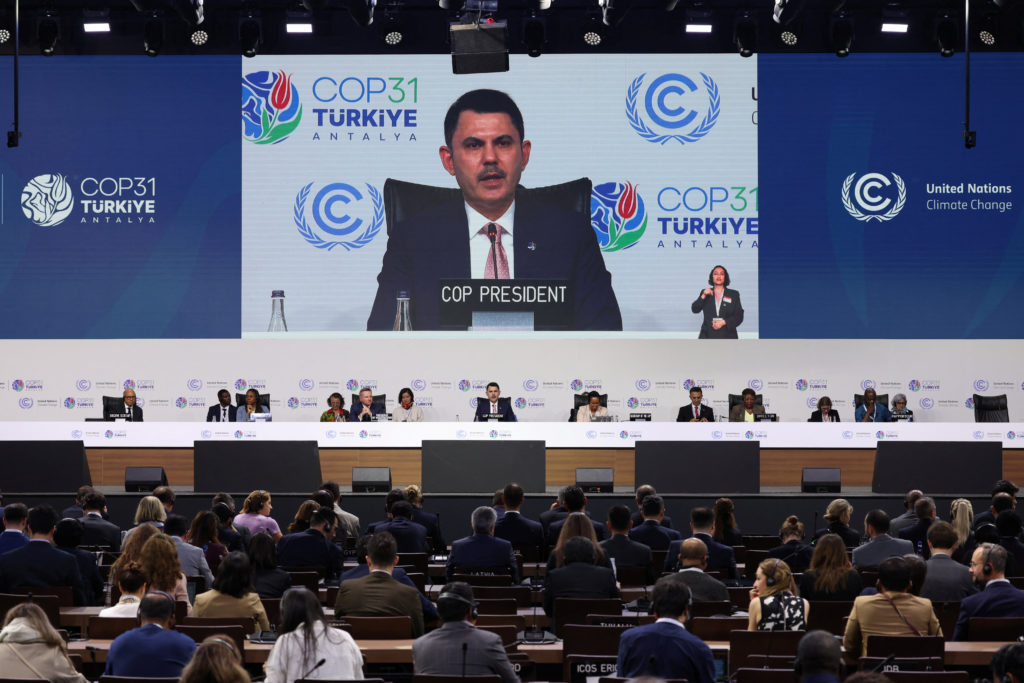
The United Nations COP31 climate summit in Antalya, Turkey, collapsed after running into historic overtime, as nations failed to resolve a bitter dispute over moving away from fossil fuels.
In this piece
The United Nations COP31 climate summit in Antalya, Turkey, has collapsed after the European Union and other delegations rejected a draft agreement. Extended…
The United Nations COP31 climate summit in Antalya, Turkey, has collapsed into discord after delegates failed to reach an agreement on the global transition away from fossil fuels. The high-stakes negotiations concluded in an impasse following intense, around-the-clock discussions that exposed deep fissures among participating governments. The breakdown represents one of the most significant setbacks for international climate diplomacy in recent years.
The gathering had already stretched into deep overtime, becoming the longest climate summit in United Nations history as mediators struggled to bridge fundamental disagreements. Negotiators worked through sleepless nights in an effort to salvage a compromised final text, but the extended timeline failed to produce a breakthrough. In the end, persistent diplomatic fatigue and irreconcilable policy demands brought the proceedings to an abrupt halt.
At the heart of the standoff was a sharp disagreement over how explicitly the final declaration should address the phasing down or abandonment of fossil fuels. Developing nations vulnerable to climate disasters and ambitious climate blocs pressed for unambiguous commitments to move away from coal, oil, and gas. Conversely, several energy-producing countries strongly resisted proposed language that would constrain conventional energy production and export revenues.
The summit effectively reached a breaking point when the European Union and several allied nations formally rejected a compromise draft presented by leadership. Officials from these delegations argued that accepting a weakened text would undermine international credibility and fail to address the escalating realities of global warming. Their refusal to endorse the draft signaled that a total collapse was preferable to what they characterized as an inadequate pact.
The failure to strike a deal comes at a perilous moment as communities around the globe confront record heat, worsening storms, and severe ecological disruptions. Scientific assessments have repeatedly warned that the window to prevent catastrophic climate thresholds is rapidly closing. The inability of global leaders in Antalya to reach common ground demonstrates the persistent disconnect between scientific urgency and international political will.
The collapse also casts a spotlight on the inherent challenges of the United Nations climate summit structure, which mandates decision-making by consensus. Under these procedural rules, any single nation or coalition of countries can effectively veto a joint resolution that threatens its domestic economic priorities. As climate policy increasingly collides with national energy interests and economic competition, reaching unanimous accord has become progressively more difficult.
The broader implications of the collapse extend far beyond the conference halls in Antalya, potentially slowing momentum for global energy transitions. Without a clear multilateral roadmap, multinational investments, regulatory standards, and financial assistance packages for vulnerable regions risk being delayed. The absence of a formal summit agreement also leaves individual nations to navigate their domestic decarbonization targets without coordinated global accountability.
Environmental groups and diplomatic observers expressed severe disappointment following the conclusion of the talks, warning that the diplomatic paralysis damages public trust in international institutions. Analysts noted that the summit laid bare growing geopolitical polarization over energy security, industrial policy, and financial responsibility. The dispute underscored how difficult it remains to align developed economies, emerging markets, and fossil fuel exporters around a shared timetable.
Looking ahead, governments and international bodies must now reckon with the fallout from Antalya and prepare for future negotiating sessions. Diplomats are expected to reconvene at preparatory meetings and regional climate summits over the coming months to assess whether stalled provisions can be revived. Until a viable consensus can be forged, the global response to climate change will increasingly depend on bilateral agreements, regional alliances, and independent national action.
Primary source: Google News U.S.. Newzly rewrites and structures source reporting for clarity; verify critical details at the original.