COP31 Collapses in Antalya Following Longest Climate Negotiations in UN History
The COP31 climate conference in Antalya has collapsed after marathon negotiations, marking the longest-running talks in United Nations history and exposing profound diplomatic divisions over global environmental commitments.
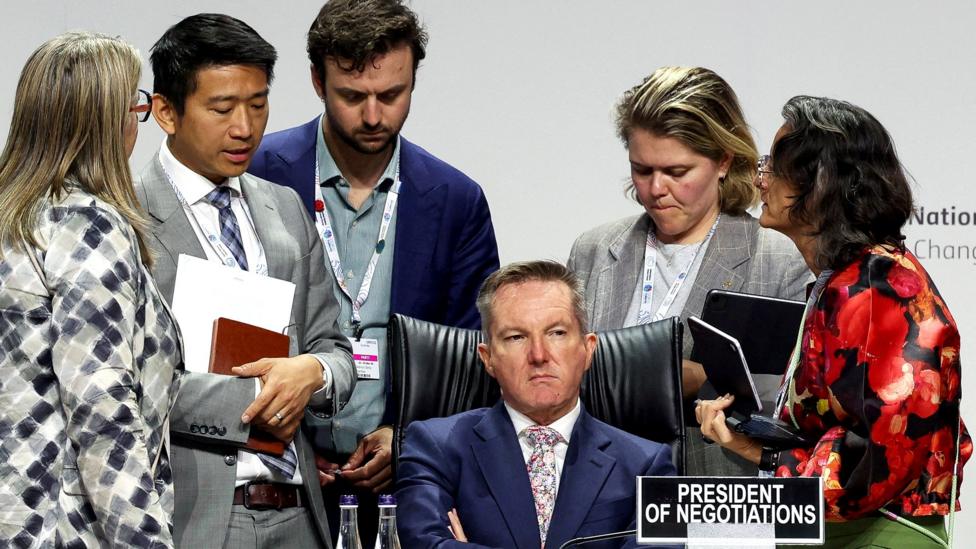
In this piece
The COP31 climate summit in Antalya has concluded without an agreement, setting a record as the longest-running climate talks in UN history. Despite…
The COP31 climate conference in Antalya has concluded without reaching an agreement, marking the end of what has been documented as the longest-running climate talks in United Nations history. According to a report by BBC Science, marathon negotiations in the Turkish resort city stretched far past scheduled deadlines before ultimately faltering. The failure of the summit underscores deepening divisions across the international community over climate policy, targets, and shared obligations.
The summit surpassed all previous UN climate gatherings in sheer duration, as delegates engaged in extended deliberations to resolve persistent diplomatic impasses. Despite the unprecedented time invested by participating nations, negotiators were unable to bridge core disagreements required to secure a unified consensus text. The outcome illustrates how procedural extensions and overtime sessions can struggle to overcome entrenched geopolitical divides.
United Nations climate conferences operate under strict consensus-based decision-making frameworks, meaning that any single delegation or voting bloc can stall final agreements. Over successive iterations of the conference, summits have frequently required extended hours to finalize compromise texts on emissions and international support. In Antalya, however, the extraordinary duration ultimately failed to yield the compromises necessary to avoid diplomatic collapse.
While comprehensive details on specific delegation disputes remain limited in early reports, multilateral climate summits consistently hinge on long-standing disputes between developed and developing member states. Central among recurring debate areas are financial mechanisms, national emission reduction commitments, and transition timelines. When participating countries face competing domestic priorities and global economic pressures, achieving mutual concessions becomes increasingly difficult.
In past UN climate negotiations, the distribution of financial assistance for climate mitigation and adaptation has served as a primary point of friction. Developing nations have continually called for robust, predictable support from industrialized economies to confront escalating environmental impacts. Conversely, wealthier nations frequently emphasize shared accountability and broader contributor bases, creating recurring diplomatic deadlocks.
The breakdown of the talks in Antalya raises serious questions about the operational efficacy of the United Nations climate summit structure itself. As global average temperatures continue to rise and severe weather events become more frequent, international expectations for rapid diplomatic action have grown significantly. The inability to deliver a decisive outcome after record-breaking negotiations risks undermining public and institutional confidence in global environmental governance.
A failed outcome at a major UN summit can also complicate bilateral and regional environmental initiatives that rely on overarching global standards. Without a unified international consensus, individual governments may struggle to justify ambitious domestic climate agendas amid shifting political landscapes. Observers widely note that protracted impasses at the multilateral level can delay urgent adaptation and mitigation efforts on the ground.
Following the conclusion in Antalya, member states and diplomatic delegations are expected to regroup to assess the structural roadblocks that derailed the negotiations. Inter-sessional working group meetings and regional consultations typically follow such summits to examine unresolved agenda items and re-establish diplomatic communication channels. Negotiators will face renewed scrutiny as they attempt to salvage momentum ahead of subsequent multilateral gatherings.
As the dust settles on the record-breaking summit, the lessons from Antalya will likely shape future strategies for international climate diplomacy. According to reports from BBC Science, the key takeaways from the gathering reflect both the immense logistical effort required and the severe structural limitations facing global consensus. Moving forward, the international community must confront whether existing negotiating formats can adequately deliver timely and binding environmental solutions.
Primary source: BBC Science. Newzly rewrites and structures source reporting for clarity; verify critical details at the original.