The 10% Brain Myth: Why the Century-Old Belief Persists Despite Science
Cognitive researchers continue to push back against the widespread myth that humans use only a fraction of their brain capacity, tracing its roots to historical misinterpretations.
In this piece
Despite decades of advancements in cognitive neuroscience, the belief that humans only use ten percent of their brains remains prevalent. Experts trace the…
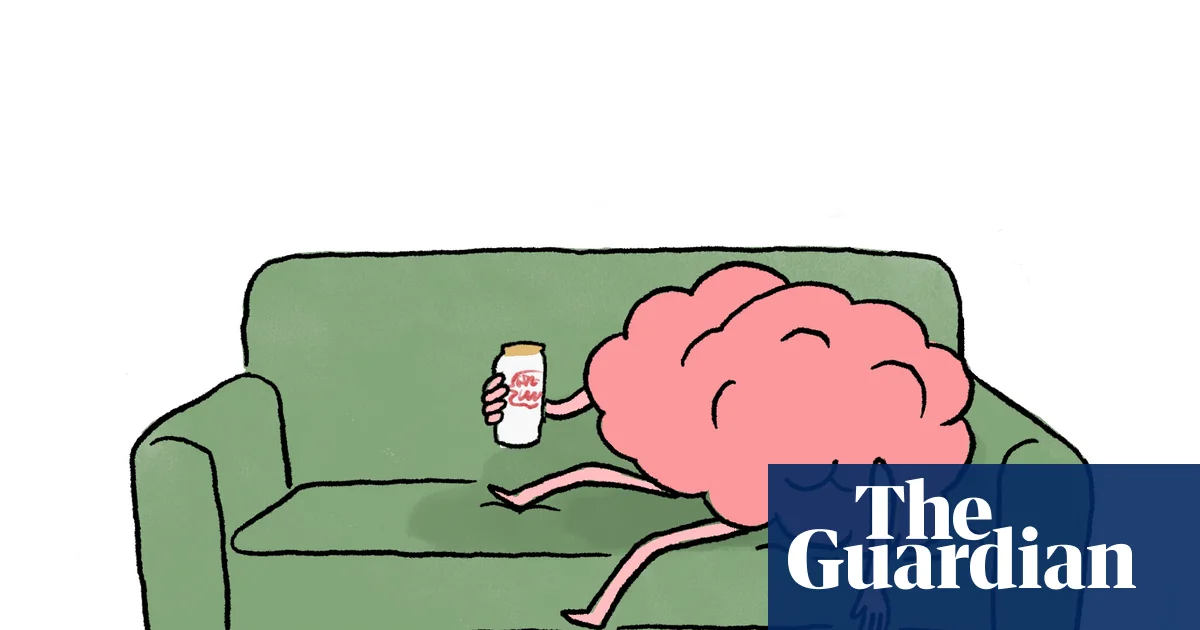
Despite decades of advances in neurobiology, the persistent popular belief that humans utilize only ten percent of their brains remains remarkably widespread. Psychological and cognitive researchers are continuing to challenge the enduring myth, emphasizing that modern medical science finds no evidence to support the claim.
The persistence of this misconception remains a frequent point of frustration for educators and specialists in cognitive development. Dr Mary Spiller, a senior lecturer in the Department of Psychology and Human Development at the University of East London, noted her surprise at how deeply rooted the assumption remains across the general public despite having no basis in factual reality.
Tracing the historical trajectory of the idea reveals how casual philosophical commentary can transform over time into entrenched folklore. According to Spiller, the roots of the myth can be traced in part back to the work of William James, widely regarded as one of the founding figures of modern psychology during the late nineteenth and early twentieth centuries.
In his historical writings assessing human development, James observed that individuals routinely make use of only a small part of their possible mental and physical resources. Over subsequent decades, that broad observation regarding untapped personal potential was gradually misinterpreted and repurposed by popular culture into a literal, physical measurement of brain tissue utilization.
Contemporary medical evaluations and brain-imaging research demonstrate that virtually the entirety of the human brain serves specific, interconnected biological and cognitive functions. While different regions specialize in functions ranging from motor control and sensory processing to language and memory, normal daily tasks require complex coordination across vast neural pathways rather than leaving vast sections dormant.
From an evolutionary and physiological standpoint, maintaining inactive neurological tissue would represent an unsustainable metabolic drain on the human body. The brain consumes a disproportionate share of the body's energy resources relative to its physical size, making the notion of an organ operating at a permanent ninety-percent surplus biologically implausible according to contemporary science.
Yet the premise that unlocking hidden percentages of brain capacity could unleash extraordinary intellectual abilities has retained an enduring appeal in popular literature, film, and commercial self-help movements. Researchers point out that the narrative of untapped mental reserves offers an enticing promise of self-improvement, which frequently outpaces public awareness of neuroscientific findings.
Misconceptions regarding neurological function carry practical implications for science literacy and public understanding of cognitive health. When popular myths overshadow empirical research, it can complicate how individuals perceive cognitive limitations, educational development, and the realities of neurological recovery after brain injury.
Addressing these enduring myths requires sustained collaboration between academic researchers, educators, and science communicators to foster clearer public understanding of how the brain operates. Experts emphasize that celebrating the full, active complexity of human neurological architecture provides a far more compelling narrative than relying on outdated and unfounded claims of unused potential.
Primary source: The Guardian Science. Newzly rewrites and structures source reporting for clarity; verify critical details at the original.