COP31 Ends Without an Agreement After Climate Talks Break Down
Countries left this month’s U.N. climate conference without a consensus text after disputes over a fossil fuel phase-out and climate finance halted the negotiations.
In this piece
The United Nations climate conference closed this month without an agreement after talks broke down. Delegates could not bridge differences on phasing out…
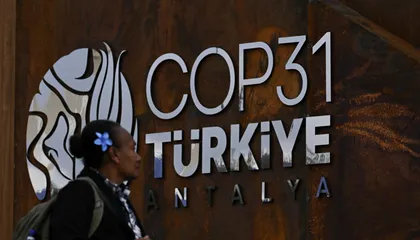
Countries at this month’s United Nations Climate Change Conference failed to reach consensus, ending the session known as COP31 without an agreement after negotiations broke down. Clashes over a fossil fuel phase-out and over climate finance derailed the talks, according to an account published by Smithsonian Magazine.
COP meetings are where governments try to adopt joint decisions under the U.N. climate process. Those decisions depend on consensus. When negotiators cannot agree on a text, the conference can close without the formal package that delegates spent the session trying to write.
Smithsonian Magazine framed the close of COP31 around six main takeaways from a conference that ended after the talks collapsed. The summary of that report identifies the breakdown itself and the two disputes that stopped a deal. It does not, in the material used here, set out the contents of those six points.
A fossil fuel phase-out has been one of the hardest issues in recent climate diplomacy. Governments differ over how explicitly a U.N. text should call for moving away from coal, oil, and gas, and over how fast any such shift should be described. Smithsonian reported that this clash helped keep COP31 from producing an agreement.
Climate finance was the other dispute cited as derailing the negotiations. In this setting, finance means support—public money and other mobilized funding—meant to help countries cut emissions and cope with climate impacts. The available account does not specify proposed sums, eligibility rules, or which delegations blocked a text.
The missing agreement matters because a COP decision is one of the few instruments that nearly every government is asked to accept together. Earlier treaties and national climate pledges remain in place when a session fails. What this round did not produce is a new consensus instruction on the fights that stopped the talks.
For countries seeking more support against heat, floods, drought, and storms, an unfinished finance negotiation is a practical gap as well as a diplomatic one. No COP31 decision, on the record summarized here, spells out fresh terms for who pays or how quickly help should move. That limit follows from the breakdown, not from any figure the source did not provide.
Energy exporters and economies that still rely heavily on fossil fuels have treated phase-out wording as a question of jobs, revenue, and transition planning. Smithsonian’s account indicates the disagreement was serious enough, together with the finance dispute, to prevent consensus. It does not name the holdout governments or quote their officials.
The six takeaways named in the Smithsonian headline are not reproduced in the summary available for this article, so they are not ranked or paraphrased here. What that summary does establish is narrower: talks broke down, countries could not reach consensus, and fossil fuel phase-out and climate finance were the clashes that derailed the negotiations.
Whether governments reopen those issues at a later U.N. session, or in smaller diplomatic formats, is not settled by the report. COP31’s close without an agreement leaves this month’s conference without a deal on the disputes Smithsonian identified. Any further text would still require the consensus the talks did not reach.
Primary source: Smithsonian Magazine. Newzly rewrites and structures source reporting for clarity; verify critical details at the original.