Oil Tank Vandalism Forces Closure of County Down Waterfowl Park
Vandalism to an oil tank has forced a popular County Down waterfowl park to close, leaving staff facing a challenging cleanup as teams work to clear fuel from the contaminated pond.
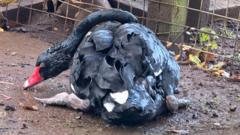
A waterfowl park in County Down has been forced to shut its doors following an act of oil tank vandalism that operators described as a nightmare, leaving emergency responders and staff racing to clear fuel from the site's central pond. The popular local attraction suspended public access immediately after the spill was discovered to prevent further contamination and protect visiting wildlife.
According to initial reports, heating oil or fuel escaped from a damaged tank on or near the property, rapidly spreading across the surface of the water enclosure. Environmental remediation teams were deployed to the scene to assess the extent of the slick and begin containment procedures before the petroleum could spread into adjoining waterways.
Waterfowl reserves and public wetlands are particularly vulnerable to fuel spills due to the delicate balance required to maintain healthy aquatic habitats. Oil forms a thin, impermeable film over the surface of standing ponds, which cuts off oxygen exchange and poses immediate risks to aquatic plants, insects, and fish that form the base of the local food web.
The threat to birds and waterfowl is especially acute during such contamination incidents. When birds come into contact with fuel oil, the substance coats their feathers, stripping away natural waterproofing and thermal insulation. This exposure leaves birds vulnerable to hypothermia, impairs their buoyancy, and often leads to secondary poisoning when they attempt to preen and ingest toxic residues.
Facility staff and wildlife specialists face complex logistical challenges in extracting petroleum products from open water without causing further disruption to resident animals. Typical remediation responses in shallow pond environments require deploying absorbent booms, surface skimmers, and specialized aerators to isolate the oil while minimizing stress on nesting and foraging species.
The incident has prompted widespread concern among community members and conservationists who rely on the County Down attraction as an educational and recreational sanctuary. Local green spaces and nature parks often operate under tight resource constraints, making the sudden financial and operational burden of hazardous material cleanups particularly disruptive.
While authorities have confirmed that vandalism to an oil tank caused the spill, full details regarding the perpetrators or the exact quantity of oil discharged into the pond have not yet been publicly disclosed. Law enforcement and regional environmental regulators routinely investigate deliberate damage to fuel storage units, where offenders can face severe penalties for environmental pollution and criminal property damage.
The facility remains closed to visitors as specialist containment efforts continue and water quality tests are conducted to evaluate the lingering toxicity of the pond. Operators have indicated that reopening will depend entirely on how swiftly cleanup teams can remediate the water and verify that the habitat is once again safe for both resident birds and the public.
Primary source: BBC Science. Newzly rewrites and structures source reporting for clarity; verify critical details at the original.