Spill From Vandalised Home Oil Tank Kills 13 Birds
An oil spill triggered by a vandalised domestic heating tank has left 13 birds dead and several others injured, raising serious ecological concerns over residential fuel contamination.
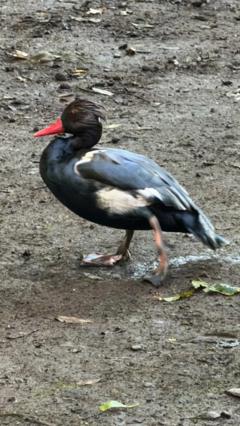
At least 13 birds have died and several others sustained injuries following an oil spill caused by a vandalised residential fuel tank earlier this week. The incident, reported by BBC Science, has prompted immediate concern over local wildlife exposure to hazardous domestic fuel. Emergency response measures often focus on containing fuel run-off before broader environmental contamination takes hold.
According to reports, the discharge occurred after a home heating oil tank was deliberately damaged, releasing fuel into the surrounding environment. While the precise volume of fuel lost was not detailed in initial disclosures, the resulting contamination proved rapidly lethal to nearby avian populations. In addition to the confirmed fatalities, an unspecified number of surviving birds were left injured or incapacitated by the slick.
Fuel contamination poses severe and immediate biological hazards to wild birds, even in relatively localized residential spills. When plumage comes into contact with heavy heating oil, feathers lose their natural waterproofing and insulating properties. This breakdown leaves affected birds vulnerable to hypothermia, reduced buoyancy on water, and an impaired ability to forage or fly to safety.
Beyond external feather damage, birds exposed to petroleum distillates face grave internal toxicological risks. Avian species instinctively preen their plumage to clean away foreign substances, which leads directly to the ingestion of toxic hydrocarbons. Ingested fuel can cause acute gastrointestinal irritation, systemic organ damage, and long-term metabolic distress that complicates medical survival.
Domestic heating oil tanks are common fixtures for residential heating in regions without direct natural gas connections, yet they present notable containment hazards when damaged. Above-ground storage units can hold hundreds or thousands of litres of combustible petroleum, requiring vigilant upkeep and security. When vandalism compromises such infrastructure, catastrophic leaks can develop rapidly without immediate detection by homeowners.
Escaped domestic fuel can migrate swiftly through soil, drainage systems, and surface run-off into neighbouring habitats. When heating oil seeps into waterways, ponds, or garden ecosystems, the toxic footprint expands well beyond the immediate property line. Small creeks and wetland fringes often serve as primary roosting and feeding sites, concentrating wildlife directly in the path of drifting contaminants.
Rehabilitating birds affected by petroleum spills is an intensive, resource-heavy process typically undertaken by specialized wildlife rescue organizations. Responders must first stabilize injured animals, correcting dehydration, hypothermia, and shock before attempting any physical cleaning. Once stable, birds undergo specialized washing procedures with mild detergents, followed by extensive conditioning to ensure full plumage waterproofing returns prior to release.
The deliberate nature of the reported damage introduces serious legal and environmental liability questions surrounding the spill. Intentional destruction of residential fuel infrastructure not only constitutes criminal vandalism but also carries severe penalties under environmental protection statutes when hazardous substances escape into natural habitats. Property owners and civil authorities frequently face complex remediation demands to remove oil-soaked soil and prevent persistent ground pollution.
Wildlife experts and environmental responders typically monitor affected release areas long after the initial spill containment is completed to assess surviving animal health. Ongoing recovery for the injured birds will depend on the extent of their toxic exposure and the speed of medical intervention. Meanwhile, investigations into the vandalism and the containment of any remaining domestic residue remain central to preventing further avian casualties.
Primary source: BBC Science. Newzly rewrites and structures source reporting for clarity; verify critical details at the original.