Delhi Flags Off Interstate Bus Services to Bihar Across 18 Routes
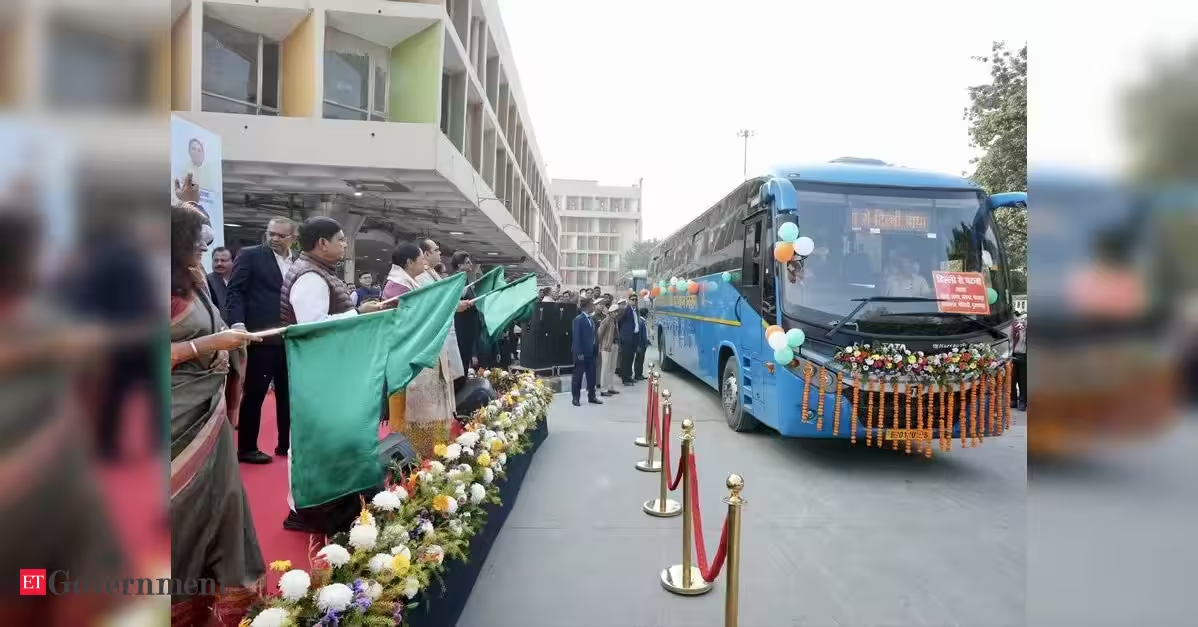
Delhi Chief Minister Rekha Gupta has flagged off regular interstate bus services to Bihar across 18 routes, expanding direct year-round transit options for thousands of commuters and migrant workers.
In this piece
Delhi has launched regular interstate bus services to Bihar across 18 designated routes from Kashmere Gate ISBT. Flagged off by Chief Minister Rekha Gupta under…
Delhi Chief Minister Rekha Gupta has flagged off regular interstate bus services connecting the national capital to Bihar across 18 designated routes. The launch ceremony took place at the Maharana Pratap Inter-State Bus Terminal at Kashmere Gate, with senior officials and transport representatives from both governments in attendance. The initiative marks the formal operational rollout of scheduled public transport between the two regions ahead of upcoming travel peaks.
The direct bus connectivity is established under a reciprocal transport agreement between the Government of Delhi and the Government of Bihar. Under this bilateral framework, the Delhi Transport Department issued 216 permits to Bihar authorities to operate scheduled passenger services. The reciprocal arrangement transitions interstate road connectivity from temporary holiday arrangements into an organized, year-round network.
Operations will be managed by the Bihar State Road Transport Corporation alongside public-private partnership fleet partners. The deployed fleet includes a combination of air-conditioned and non-air-conditioned deluxe coaches configured in both seater and sleeper layouts. Authorities noted that the scheduled departures are designed to provide structured timetables and prevent unregulated roadside boarding.
The 18 approved routes link the national capital with 13 major destinations across Bihar. Key regional hubs served by the new services include Patna, Gaya, Muzaffarpur, Darbhanga, Bhagalpur, and Purnia. Additional scheduled corridors will connect passengers directly to towns such as Bihar Sharif, Buxar, Madhubani, Nawada, Araria, Kishanganj, and East Champaran.
Millions of migrants, daily-wage workers, students, and professionals from Bihar reside and work across Delhi and the broader National Capital Region. Historically, travelers have faced severe train reservation waitlists, ticket scarcity, and steep private bus fares during major festive rushes like Chhath Puja, Diwali, and Dussehra. The government-sanctioned bus network provides an essential public transit alternative with transparent and standardized ticketing.
Fare structures across the newly launched corridors have been set across multiple tiers based on coach configuration and travel distance. Tickets for standard non-air-conditioned seater buses start at accessible baseline rates, while deluxe air-conditioned sleeper options serve long-haul overnight routes. Official pricing guidelines aim to protect passengers from exploitative fare surges frequently imposed by unauthorized private operators.
Transport department officials emphasized that the buses are equipped with essential safety features, including GPS monitoring and verified crew rosters. Dedicated ticketing counters and passenger assistance booths have been integrated into key terminals to streamline boarding procedures. In addition, routine fleet maintenance checks are scheduled at both ends of the journeys to ensure vehicle roadworthiness.
The rollout reflects intensified inter-governmental coordination between Delhi and Bihar to streamline regional transit corridors and terminal management. Officials noted that synchronizing arrival and departure schedules reduces terminal congestion at Kashmere Gate while facilitating smoother interchange with the Delhi Metro network. Joint supervisory teams are expected to monitor passenger volumes and operational compliance along the transit routes.
Authorities have indicated that passenger load factors, route viability, and terminal operations will be evaluated over the coming weeks as regular services stabilize. If passenger demand remains robust across core corridors, both state governments may explore additional permits, route adjustments, or supplementary departures. Transport officials maintain that establishing reliable surface transit strengthens long-term economic mobility and regional connectivity.
Primary source: Google News Bihar. Newzly rewrites and structures source reporting for clarity; verify critical details at the original.