world·Delhi·New Delhi District
Delhi Logs Season's Coldest Day as Shopian Freezes and Heavy Rains Threaten South India
A fierce winter chill swept northern India as Shopian in Kashmir dropped to minus 3.9 degrees Celsius and Delhi logged its coldest morning yet, even as meteorologists alerted Kerala and Tamil Nadu to heavy rainfall.
In this piece
Northern India is experiencing a sharp seasonal chill, marked by dense fog in Uttar Pradesh and Uttarakhand alongside freezing temperatures in Kashmir and…
A sharp divergence in seasonal weather has taken hold across India, as a severe cold snap and dense fog blanketed northern states while meteorological authorities sounded heavy rainfall alerts across the southern peninsula. In Jammu and Kashmir, temperatures plummeted well below freezing, with the southern district of Shopian recording a bitter minus 3.9 degrees Celsius. Concurrently, the national capital recorded its coldest day of the season to date, marking an accelerated onset of winter across the northern plains.
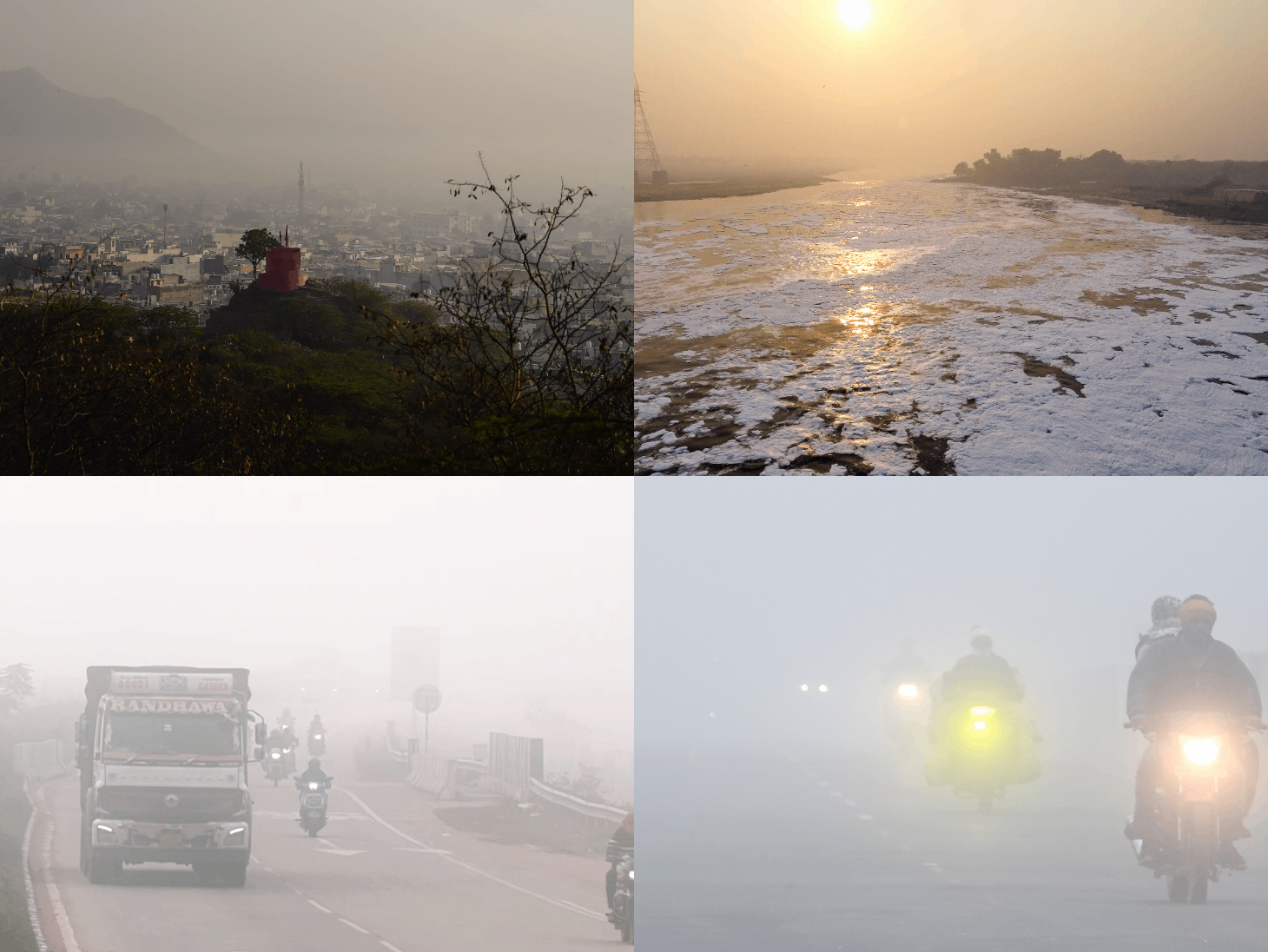
Dense fog covered extensive stretches of Uttar Pradesh and Uttarakhand during the early morning hours, drastically reducing visibility and slowing vehicular movement along major expressways. Regional meteorological offices reported that the thick fog layer disrupted travel schedules and necessitated precautionary speed restrictions on transit corridors. Local authorities in both states advised motorists to exercise heightened caution as low visibility compounded hazards on intercity roads.
In New Delhi, the mercury dropped to fresh seasonal lows under the influence of persistent northwesterly winds sweeping down from the Himalayas. Residents woke to a biting chill and hazy skies, prompting many across the metropolis to pull out heavy winter clothing for the first time this season. Weather officials noted that the combination of falling temperatures and calm surface winds has also contributed to persistent morning smog across the National Capital Region.
Across the Kashmir Valley, sub-zero conditions intensified as cold wave conditions gripped high-altitude regions and valley floors alike. The minus 3.9 degrees Celsius reading in Shopian stood out as one of the lowest minimum temperatures registered in the region during the current cold spell. Residents in several parts of the valley reported morning frost coating open fields and ice forming along the edges of local water bodies.
Meteorologists attribute the sudden drop in northern temperatures to recent snowfall in the higher reaches of the Himalayas and the steady influx of icy winds into the plains. With skies remaining largely clear overnight over northwest India, rapid radiative cooling has allowed night and early morning temperatures to plummet steadily. Forecasters expect these sub-zero readings in upper mountain pockets to persist as the region transitions deeper into the winter cycle.
In sharp contrast to the biting cold gripping the north, southern India is bracing for intense wet weather under active regional atmospheric systems. The India Meteorological Department issued alerts warning of heavy to very heavy rainfall across parts of Kerala and Tamil Nadu. Coastal belts and interior districts in both southern states were urged to prepare for localized waterlogging, strong surface gusts, and isolated thunderstorms.
The heavy precipitation across Kerala and Tamil Nadu is being driven by seasonal monsoon currents and cyclonic circulations lingering over the southwest Bay of Bengal and adjoining ocean waters. Local administrations across vulnerable coastal and low-lying districts have placed emergency response teams on alert to monitor reservoir levels and clear urban drainage networks. Fishermen along southern coastal stretches have also been cautioned against venturing into rough seas during squally weather.
The simultaneous extremes highlight the diverse seasonal dynamics impacting the subcontinent during this transition period. For the northern plains, the arrival of dense fog and sharp temperature drops brings public health challenges, especially for vulnerable populations and commuters grappling with winter pollution and cold stress. In the south, sustained downpours present critical operational considerations for agricultural crops, plantation management, and civic flood prevention.
Looking ahead, meteorologists forecast that dry and chilly conditions will continue to dominate north and northwest India over the coming days, keeping minimum temperatures suppressed and morning fog prevalent across Uttar Pradesh, Uttarakhand, and Delhi. In the south, authorities are maintaining close watch over atmospheric disturbances that could extend rainfall activity over Tamil Nadu and Kerala. Weather agencies have urged residents across all affected regions to stay informed via official bulletins as seasonal patterns evolve.
Primary source: Divya Bhaskar National. Newzly rewrites and structures source reporting for clarity; verify critical details at the original.