Denmark Approves Expanded U.S. Military Presence in Greenland
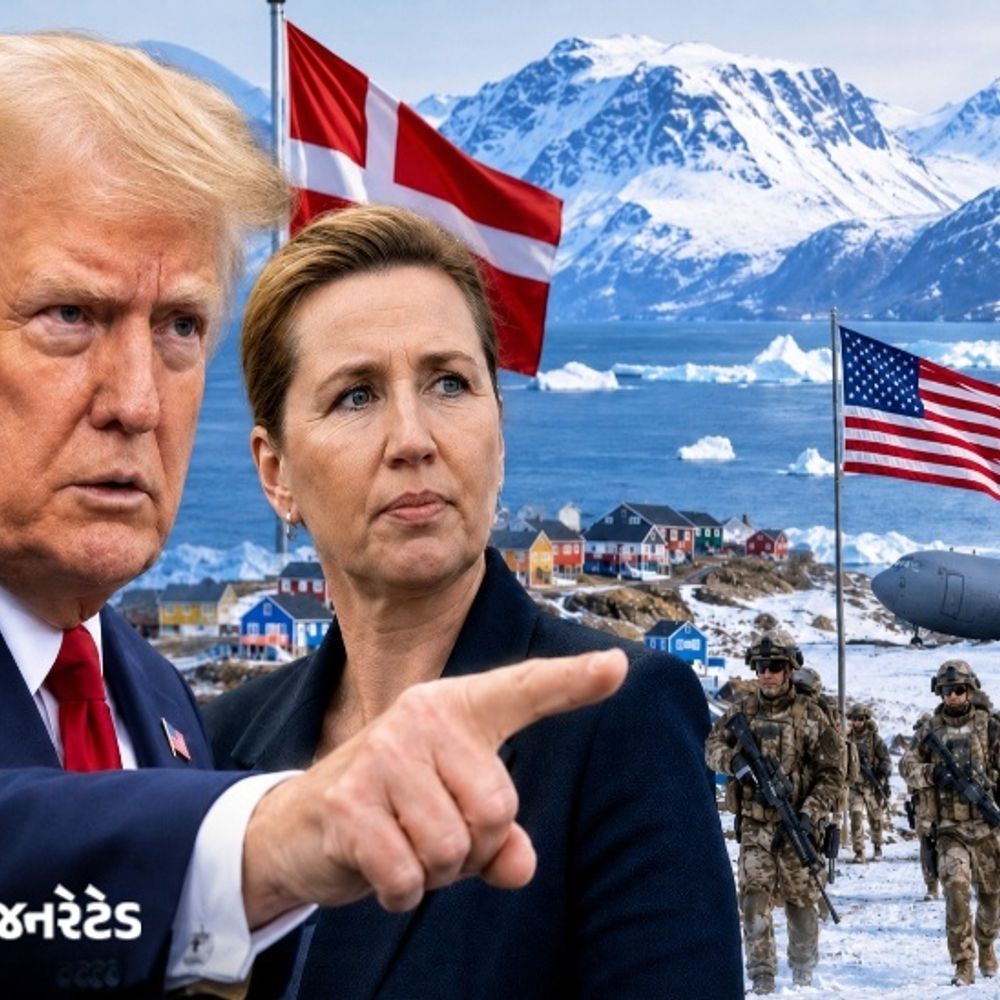
Denmark's parliament has unanimously approved an expanded defense agreement allowing the United States to bolster its military presence in Greenland, resolving months of diplomatic tension triggered by Donald Trump's takeover threats.
In this piece
Danish lawmakers voted 109 to 0 to ratify a trilateral defense pact with Greenland and the United States, expanding American military access and missile defense…
The Danish parliament has voted unanimously to ratify a comprehensive trilateral defense agreement that expands the United States military presence across Greenland. The 109 to 0 vote in Copenhagen formally updates security arrangements governing the strategic Arctic territory while securing Greenland's domestic legislative approval.
The parliamentary approval formally resolves months of intense diplomatic friction that flared after former U.S. President Donald Trump repeatedly signaled ambitions to take control of Greenland. Those remarks caused sharp political pushback in Copenhagen and Nuuk, sparking an urgent effort among NATO partners to establish clear legal boundaries and stabilize relations.
The newly ratified accord significantly updates the historic 1951 bilateral defense treaty between the United States and Denmark. Under the revised terms, Washington secures expanded operational access to designated areas across Greenland, moving beyond its long-standing northern footprint at Pituffik Space Base to include prospective facilities at Narsarsuaq and Mestersvig.
In addition to troop and logistics movements, the treaty permits the United States to construct specialized missile defense infrastructure in the polar region. Defense planners intend to integrate these tracking and interception capabilities into broader missile protection architectures designed to guard against aerospace threats traversing northern trajectories.
Throughout negotiations, Danish and Greenlandic leaders insisted on robust language safeguarding territorial integrity and political autonomy. The final pact explicitly reaffirms Danish sovereignty while recognizing Greenland as an equal partner, formally protecting the self-governing island's right to democratic self-determination.
To ensure long-term stability, the agreement also establishes explicit continuity rules regarding Greenland's future constitutional status. Should Greenlanders ever vote in a referendum to achieve full independence from the Kingdom of Denmark, the island will remain aligned with NATO and keep the defense compact fully operational.
The treaty introduces strict security guardrails designed to prevent geopolitical competitors from gaining economic or military footholds in the Arctic. Under the provisions, only NATO member nations, alliance partners, and European Union entities are authorized to establish military installations or finance critical civilian infrastructure projects on the island.
Greenland's parliament, the Inatsisartut, previously gave its legislative assent to the framework, leaving the Danish Folketing as the final legislative body required to endorse the measure. The executive agreement officially takes effect once Denmark transmits a formal diplomatic note to the United States Department of State confirming ratification.
While Danish political leaders welcomed the removal of immediate geopolitical uncertainty, officials acknowledged that recent diplomatic tensions have left lasting marks. Danish Foreign Minister Lars Løkke Rasmussen noted that while the legal framework is now settled, rebuilding political trust with Washington after months of confrontation will take sustained time and dialogue.
The agreement marks a pivotal realignment in Arctic security as thawing polar sea lanes and resource exploration draw heightened attention from global powers. By formalizing and expanding Washington's defensive footprint, NATO allies aim to ensure that northern air, sea, and space surveillance remains firmly anchored under western collective defense.
Primary source: Divya Bhaskar International. Newzly rewrites and structures source reporting for clarity; verify critical details at the original.