Dozens Reported Killed in Wave of Myanmar Air Attacks on Civilian Sites
A series of air attacks across Myanmar has killed dozens of people after strikes hit a wedding party, school, monastery, market, and camp for displaced civilians, according to reports.
In this piece
Dozens of people have been reported killed in a series of air attacks across Myanmar that struck a wedding party, school, monastery, market, and displacement…
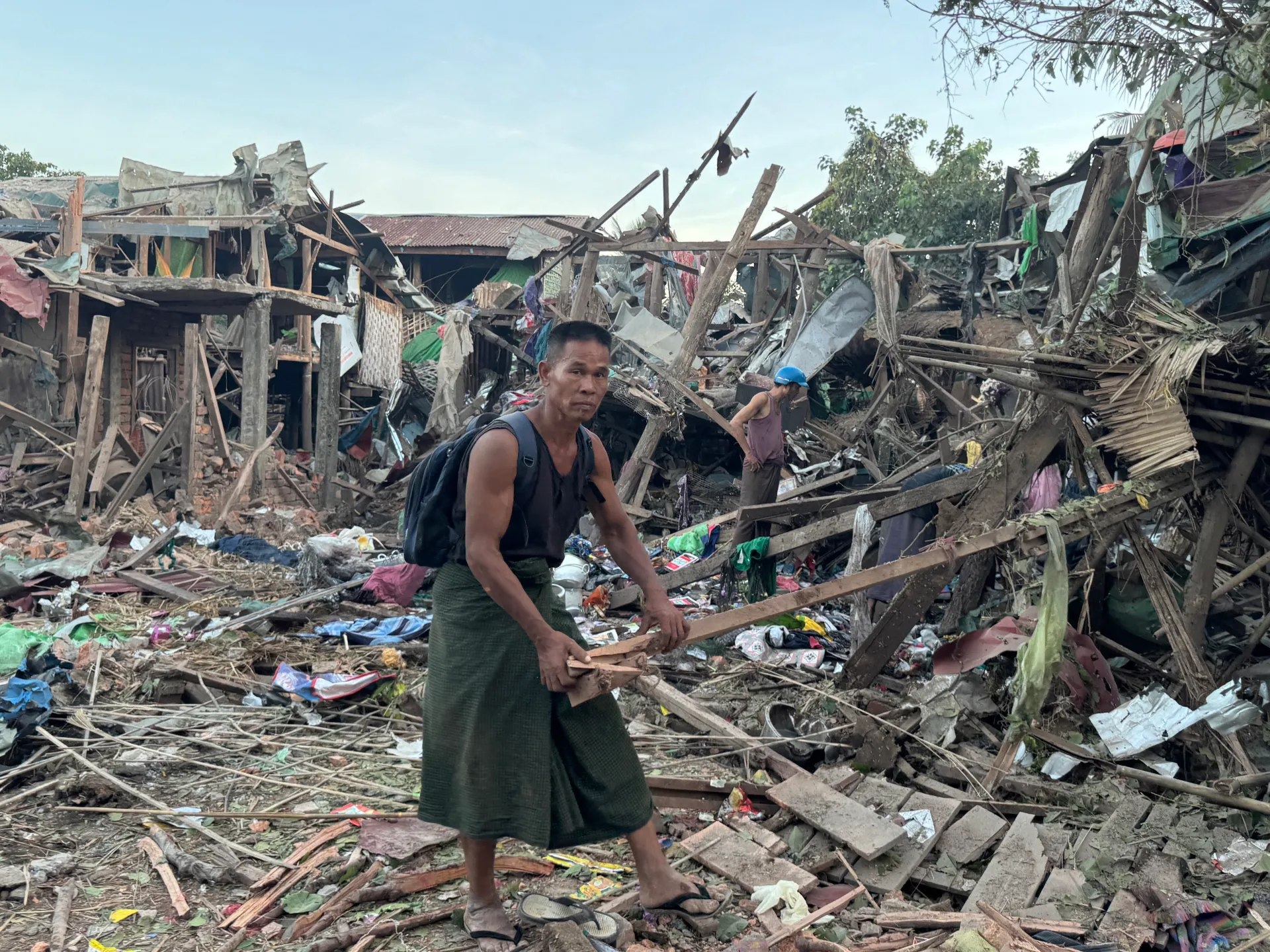
Dozens of people have been reported killed following a coordinated series of air attacks across Myanmar, according to emerging reports from Al Jazeera. The strikes reportedly struck several civilian sites and communal gatherings, resulting in substantial loss of life and heavy destruction. Initial accounts indicate that the bombardments occurred across multiple locations, catching residents and displaced families completely off guard.
Among the targeted locations were a wedding party, a local school, a monastery, a busy marketplace, and an encampment housing displaced civilians. The broad range of civilian infrastructure hit in the raids has prompted deep concern over the safety of non-combatant populations. Each of the impacted sites represented a gathering point where community members and vulnerable families had sought routine activities or temporary refuge.
The strike on a wedding celebration reportedly turned a private family gathering into a scene of sudden carnage, while the attack on the displaced persons camp struck those already forced to flee previous turmoil. Monasteries and schools have traditionally served as communal shelters during periods of upheaval, leaving civilians with few safe havens when such facilities come under aerial bombardment. Marketplaces, where local villagers gather for daily survival and commerce, also suffered direct hits.
Independent verification of the precise death toll and the full extent of the physical destruction remains complicated by severe communication disruptions and restricted access to the affected zones. Local responders and medical volunteers have faced immense difficulties in accessing the blast sites to treat the wounded and recover victims. Available accounts continue to describe dozens of fatalities, though comprehensive casualty lists are still being compiled as information filters out from regional networks.
The use of aerial firepower against populated areas represents an established and intensifying trend in Myanmar's wider conflict landscape. Over recent years, air operations have increasingly impacted residential villages, medical centers, and public infrastructure across contested regions. Human rights organizations and independent observers have routinely documented the severe toll that air raids inflict on civilians who lack adequate shelter or early warning systems.
The humanitarian implications of targeting sites such as displaced person camps and rural markets extend far beyond the immediate blast radius. Such strikes dismantle already fragile local supply chains, disrupt communal support structures, and drive further waves of displacement across surrounding territories. Families living in temporary settlements often have no secondary shelters available when their camps are struck, compounding an already acute humanitarian crisis.
International bodies, human rights organizations, and diplomatic envoys have repeatedly condemned aerial assaults on civilian gathering places, urging all warring parties to respect international humanitarian conventions. International law strictly prohibits deliberate or indiscriminate attacks directed against civilians, schools, religious properties, and humanitarian facilities. Previous reports of similar aerial incidents have triggered calls from global observers for arms embargoes, aviation fuel restrictions, and heightened accountability.
As rescue operations continue in the impacted areas, relief workers and community leaders are struggling to provide urgent medical treatment to survivors under extremely constrained circumstances. Observers and human rights monitors are actively seeking further documentation to identify the specific aircraft, munitions, and command structures involved in the operations. The situation remains precarious, with local populations fearing subsequent strikes and international observers closely monitoring for additional developments and verified casualty assessments.
Primary source: Al Jazeera. Newzly rewrites and structures source reporting for clarity; verify critical details at the original.