Russia and Ukraine Strike Energy Infrastructure as Attacks Kill 10
Reciprocal strikes on energy infrastructure by Russia and Ukraine have left at least 10 people dead, as attacks become more regular and hybrid ahead of the war's fifth anniversary.
In this piece
At least 10 people were killed after Russia and Ukraine launched reciprocal strikes targeting energy infrastructure. The attacks underscore the increasingly…
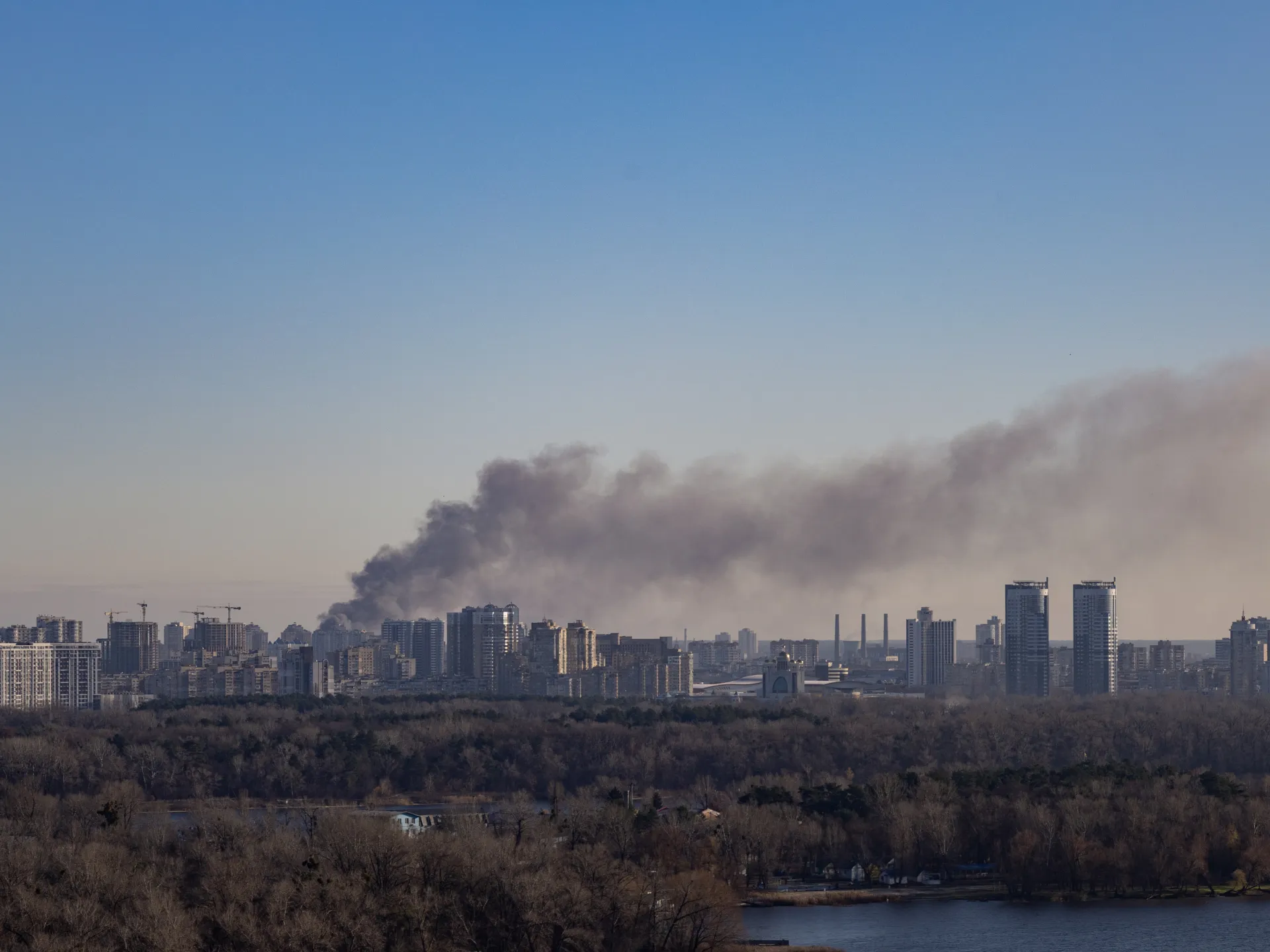
At least 10 people have been killed following reciprocal strikes on energy infrastructure conducted by Russia and Ukraine, according to reporting from Al Jazeera. The lethal cross-border actions represent a sharp continuation of mutual campaigns aimed directly at disrupting domestic power supplies and critical utility networks. The resulting casualties underscore the persistent danger posed to workers and civilians residing near key installations.
The latest round of bombardments arrives as the conflict moves toward the fifth anniversary of Russia's full-scale invasion, marking an enduring phase of warfare characterized by heavy attrition. Military engagements have increasingly moved beyond traditional front lines, expanding into broader campaigns designed to degrade foundational services. Analysts observe that operations between the two nations have become both more regular and distinctly hybrid in their execution.
Energy infrastructure has long served as a focal point in the hostilities, with both sides recognizing electrical grids and related facilities as high-value strategic targets. Power generation facilities, transmission hubs, and utility distribution networks remain exceptionally vulnerable to sustained precision strikes. The repeated damage to these sites creates acute logistical challenges for regional authorities attempting to maintain continuous municipal services.
The characterization of recent engagements as increasingly hybrid points to an operational mix of diverse warfare methods deployed in tandem. Beyond conventional missile and aerial bombardments, modern engagements frequently incorporate unmanned aerial systems, electronic countermeasures, and strategic disruption techniques. This multidimensional approach seeks not only to inflict physical destruction on utility assets but also to impose severe psychological and administrative strains.
With at least 10 fatalities documented in the wake of the latest strikes, the human toll accompanying attacks on infrastructure continues to climb. Utility personnel and emergency first responders frequently face elevated risks when dispatched to extinguish blazes or stabilize compromised power grids in the aftermath of hostile fire. The reported deaths highlight how strikes on non-combat facilities inevitably spill over into significant civilian harm.
Approaching the five-year threshold of the full-scale conflict highlights the protracted and grinding nature of the confrontation, with neither side showing willingness to de-escalate. The extensive timeline has deepened defensive postures while normalizing deep-strike capabilities targeting rear-echelon support systems. International observers note that the milestone reflects years of structural disruption with few viable pathways toward comprehensive diplomatic resolution.
The systematic targeting of energy facilities matters immensely due to its cascading economic and societal ramifications. Disrupted electrical grids directly impair industrial output, disrupt healthcare capabilities, and complicate clean water distribution systems. As both combatants absorb retaliatory blows, maintaining grid resilience requires extraordinary resource allocation and constant, hazardous reconstruction efforts.
Detailed site-level evaluations and granular casualty figures remain constrained by operational security measures enforced across the conflict zone. While Al Jazeera confirmed the death toll of 10 and the reciprocal targeting of energy installations, independent verification of exact impact sites remains limited during active hostilities. Both governments routinely control official announcements regarding the status and operational readiness of damaged energy assets.
Looking ahead, defense analysts expect reciprocal strikes on energy infrastructure to remain a staple of the conflict as strategic imperatives exert pressure on both capitals. With the fifth anniversary of the invasion approaching, neither military has signaled an intention to abandon strikes against high-leverage utility nodes. The regular tempo of hybrid assaults points to ongoing risks for civilian populations and national infrastructure grids across the region.
Primary source: Al Jazeera. Newzly rewrites and structures source reporting for clarity; verify critical details at the original.