Drone strikes hit five Sudan power stations, official says
An official blamed Sudan’s Rapid Support Forces for coordinated attacks on electricity facilities in three army-controlled states, causing widespread outages and renewing concerns about the vulnerability of essential civilian services.
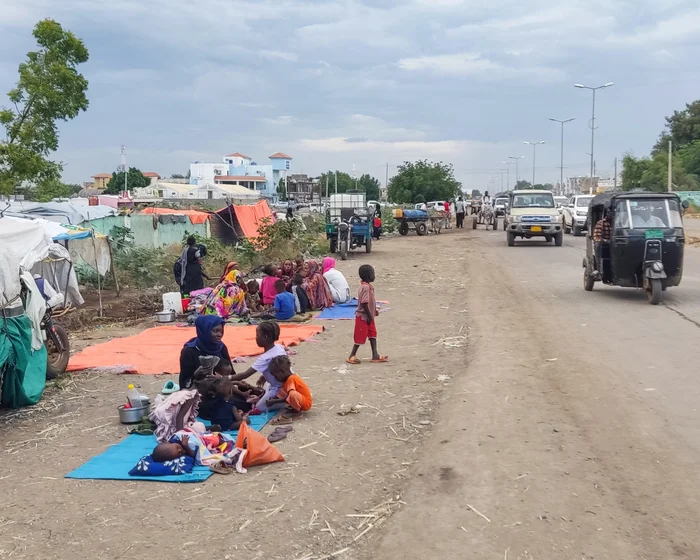
Sudan’s paramilitary Rapid Support Forces launched coordinated drone strikes on five power stations, causing widespread outages in three states, a government official said, according to a report published by The Guardian. The reported attacks targeted electricity infrastructure in areas controlled by the Sudanese army.
Two stations were hit in Al-Jazira, two in Gedaref and one in White Nile, the official said, speaking on condition of anonymity. The account described power failures across large parts of all three states, but did not establish the number of people affected or provide a timetable for restoring electricity.
The reported strikes concern infrastructure serving civilian communities, making their consequences potentially broader than the immediate loss of power. The army and RSF have been fighting since April 2023, and humanitarian organisations have repeatedly warned that damage to essential services compounds the population’s exposure to the conflict.
Those concerns predate the latest reported attacks. In January 2025, the International Committee of the Red Cross warned that strikes on electricity plants, water stations and dams in several Sudanese states, including White Nile and Gedaref, had damaged facilities and put the technical personnel maintaining them at risk.
The ICRC said disruptions to electricity and clean water had affected millions of Sudanese, with knock-on consequences for hospitals that depend on both services. It also warned that reduced access to safe water increases the danger of cholera and other public health emergencies. Those warnings describe the wider risks of infrastructure damage, rather than confirmed effects of these particular strikes.
The United Nations raised similar concerns in May 2025, when the secretary-general’s spokesperson said attacks on power stations and other critical infrastructure had disrupted access to electricity, healthcare, clean water and food. The statement also warned that drone attacks could increase humanitarian needs while making aid operations more difficult, underscoring how infrastructure losses can deepen an emergency beyond the immediate area struck.
For communities facing the latest outages, the immediate uncertainty is how extensive the damage is and how long electricity supplies will remain interrupted. The official’s account establishes the reported spread of the disruption across three states, but does not offer a facility-by-facility assessment of damage or indicate whether services dependent on the affected stations have alternatives.
Humanitarian agencies have urged the warring parties to protect essential infrastructure and preserve civilian access to basic services. The immediate outlook now depends on further information about the condition of the five stations and prospects for restoring supply. Until those details emerge, the duration of the outages and their full humanitarian impact remain unclear.
Primary source: The Guardian World. Newzly rewrites and structures source reporting for clarity; verify critical details at the original.