Egypt court orders Mada Masr closure as editor Lina Attalah is released
A Cairo court convicted Lina Attalah of managing an unlicensed website and ordered Mada Masr shut, raising fresh concerns about the future of independent journalism in Egypt.
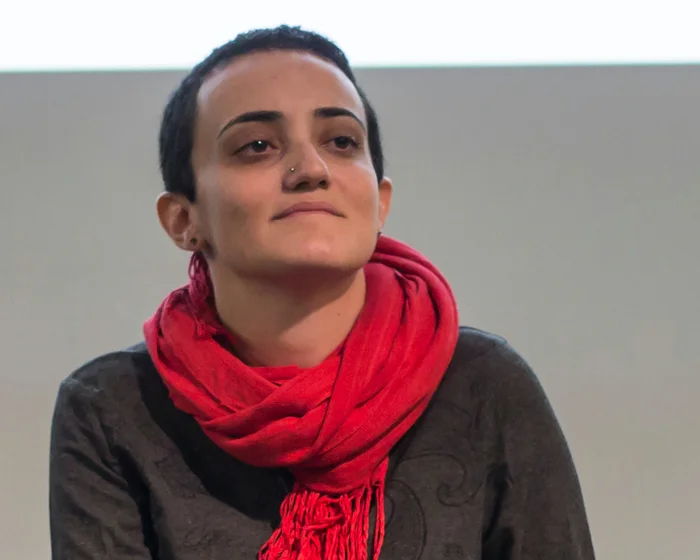
Egyptian journalist Lina Attalah has been released after being briefly detained following a Cairo court’s decision to convict her of managing an unlicensed website and order the closure of independent news outlet Mada Masr, the Guardian reported. The ruling against its editor-in-chief has intensified concerns over press freedom in Egypt.
The case puts the outlet’s ability to continue operating at risk even after Attalah’s release. Her detention and the closure order are separate consequences of proceedings that have drawn international attention to the pressures facing independent Egyptian journalism.
Before the verdict, a joint statement published by PEN International on October 26 condemned Attalah’s referral to trial. It said the prosecution threatened not only Mada Masr but the wider space for independent reporting and civil society in Egypt.
According to that statement, Mada Masr repeatedly sought a licence under Egyptian media legislation, submitting applications in 2018 and 2020. It said the outlet challenged a rejection in court after learning of it in 2022, while another application submitted in 2023 remained unanswered.
That account makes the licensing dispute central to understanding the prosecution. The organisations backing the statement argued that Mada Masr had attempted to comply with the law and urged authorities to grant it permission to operate, rather than pursue proceedings threatening its survival.
The action against Attalah follows the detention of the entire six-person newsroom at investigative platform Matsadaash. In an October 2 statement, the Committee to Protect Journalists said the arrests took place in late September and called for the journalists’ release, access to lawyers and contact with their families.
CPJ reported that Egypt’s Interior Ministry accused Matsadaash of spreading disinformation to destabilise the country and linked the platform to the Muslim Brotherhood. Its founder, Abdelrahman Mansour, rejected those allegations in comments to the organisation, saying they misrepresented the outlet and its journalism.
The two cases have sharpened warnings about the consequences of targeting whole news organisations rather than individual reports. CPJ described the Matsadaash arrests as a serious escalation against independent journalism and warned that intimidation could deepen fear across the profession. Its October statement counted 25 journalists imprisoned in Egypt.
For Mada Masr, the immediate distinction is between its editor’s freedom and the outlet’s future: Attalah’s release does not itself settle the consequences of the closure order. The Guardian’s report establishes that the court ordered the website shut, but the supplied account does not detail how that order would be implemented.
Rights organisations are pressing for an end to the prosecution and for a licensing resolution that allows Mada Masr to operate. Their stated concern is that shutting another independent newsroom would further restrict the reporting available to Egyptian readers, making the outlet’s legal future a wider test for press freedom.
Primary source: The Guardian World. Newzly rewrites and structures source reporting for clarity; verify critical details at the original.