EPA finds no elevated lead in drinking water after Iowa explosion
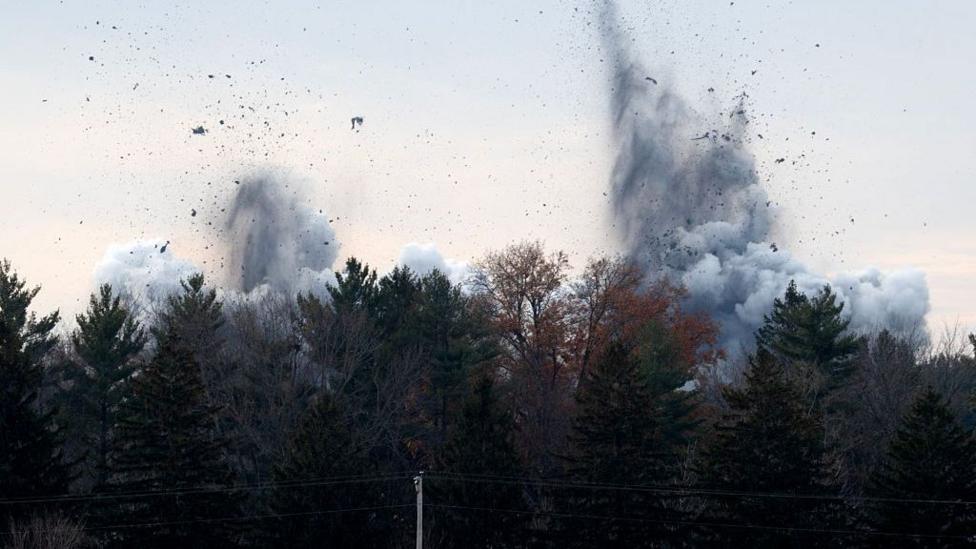
The U.S. Environmental Protection Agency found no elevated lead in drinking water after an explosion in Iowa, BBC Science reported. The blast had been paused repeatedly amid health and environmental objections.
In this piece
Federal sampling found no elevated lead in drinking water after an explosion in Iowa, according to BBC Science. The detonation was delayed several times after…
The U.S. Environmental Protection Agency has found no elevated lead levels in drinking water following an explosion in Iowa, BBC Science reported. The result speaks to a fear that the blast could have affected local supplies. Sampling described in that account did not show lead above the level the agency treats as elevated.
BBC Science also reported that the explosion was paused several times before the blast. The delays came after public outcry and legal challenges. Those challenges centered on fears of health and environmental dangers.
The account does not name the community, the operator, or the purpose of the blast. It does not give a date or describe what was detonated. Readers therefore have a clear finding on lead in drinking water and little else about the operation itself.
Lead is regulated in U.S. drinking water because it is toxic, especially for young children and pregnant people. It can leach from older pipes and fittings, and it can also be a concern when soil or debris is disturbed near a supply. None of those pathways is confirmed for this explosion; the source only records that lead was checked afterward and was not elevated.
An explosion can raise environmental questions even when the immediate target is a structure or stored material. Dust, runoff, and damaged infrastructure are among the reasons agencies sample air, soil, and water after a large blast. Whether any of those conditions occurred in Iowa is not stated in the report used here.
The phrase "no elevated lead levels" indicates that test results did not cross the threshold the EPA uses to flag a problem. The BBC Science account does not quote that threshold, the number of samples, or the taps and systems that were tested. Without those figures, the geographic reach of the finding cannot be mapped from this report alone.
The repeated pauses show the blast did not proceed on a single uninterrupted schedule. Public opposition and court challenges intervened before the detonation. The source does not describe the arguments in those cases, the courts involved, or the rulings that allowed the work to continue.
Health and environmental risk was the stated reason for the objections. Drinking-water lead is one hazard that can be measured with laboratory tests after the fact. The same report does not say whether officials also examined other metals, chemicals, air quality, or damage beyond the water system.
For people who drink from the systems that were sampled, the EPA finding narrows one specific worry. On the information available, it does not amount to a full environmental clearance for every possible effect of the blast. Residents usually rely on notices from utilities and health agencies for instructions about boiling, filtering, or continued use; no such notice is quoted here.
What comes next is only partly visible. Further rounds of sampling, a published data table, or comment from state or local water officials are not included in the account. Until those details appear, the documented outcome remains the one BBC Science attributed to the EPA: after the Iowa explosion, drinking water did not show elevated lead.
Primary source: BBC Science. Newzly rewrites and structures source reporting for clarity; verify critical details at the original.