FAA Lifts Nationwide Ground Stop, but Weekend Flight Disruptions Loom
The Federal Aviation Administration has lifted a nationwide ground stop after more than four hours of halted departures, but lingering cancellations and backlogs are set to impact air travelers through the weekend.
In this piece
The FAA lifted a nationwide ground stop on Friday after halting departures for more than four hours and disrupting thousands of flights across the United…
The Federal Aviation Administration has lifted a nationwide ground stop after halting departures for more than four hours on Friday afternoon, bringing an end to an acute operational freeze that disrupted thousands of flights across the United States. Federal regulators authorized commercial air traffic to resume movements, though the prolonged duration of the order created an immediate bottleneck across the national airspace system. While aircraft are once again cleared for departure, the substantial disruptions will continue to reverberate across airline operations well into the weekend.
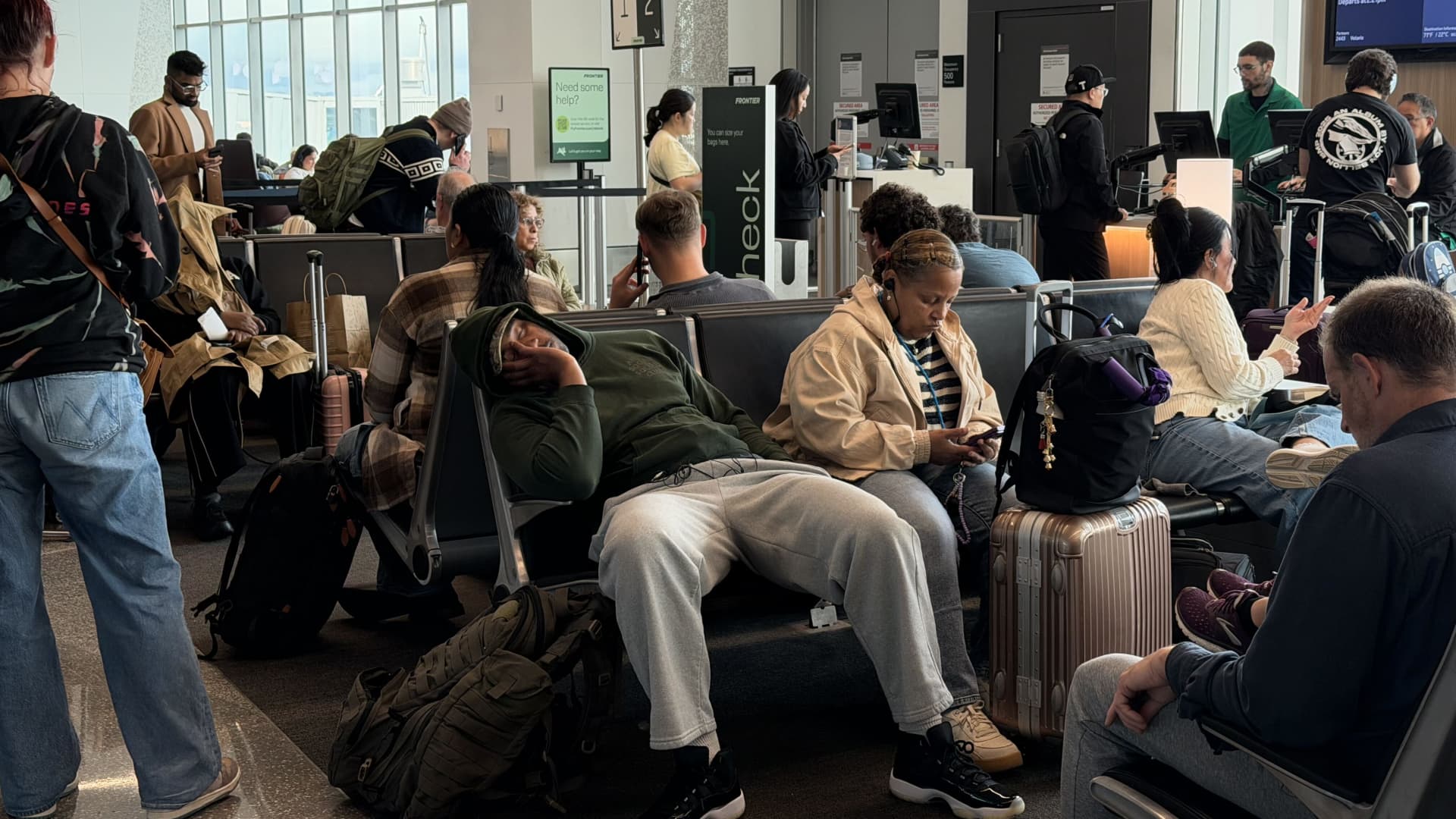
The unprecedented afternoon order required departing flights across the country to remain on the tarmac, abruptly freezing scheduled passenger services at a peak travel time. Airline dispatchers and regional air traffic management teams were forced to suspend departures simultaneously, leaving planes stranded at gates and taxiways while schedules rapidly unraveled. With thousands of flights delayed during the active stoppage, terminal concourses rapidly filled with displaced passengers awaiting updates on their itineraries.
A nationwide ground stop represents one of the most drastic measures available to federal aviation regulators, generally reserved for acute situations where systemic airspace safety or critical control networks require immediate stabilization. By halting departures at origin airports, authorities prevent air corridors from becoming dangerously congested while underlying issues are evaluated. However, keeping aircraft grounded nationwide for several consecutive hours creates unprecedented logistical friction that strains ground crews, air traffic controllers, and airport operations.
Even with the formal ground stop rescinded, the operational fallout cannot be resolved quickly due to the interconnected structure of modern commercial aviation. Commercial carriers operate intricate hub-and-spoke networks where aircraft and flight crews must complete multiple sequential segments each day. Because inbound flights could not depart during the four-hour freeze, both aircraft and flight crews ended up significantly displaced from their planned routes, making wide-scale schedule recovery a multi-day ordeal.
Compounding the scheduling crisis is the strict regulatory framework governing flight crew duty hours and mandatory rest periods. Commercial pilots and flight attendants face strict federal limits on how many consecutive hours they may remain on duty. The four-hour stoppage pushed numerous flight crews past their legal operating thresholds, leaving airlines with grounded planes that lacked legally eligible crews to operate them until reserve personnel could be positioned.
For affected travelers, the immediate aftermath presents a challenging landscape of delayed departures and fully booked replacement flights. Friday afternoons typically represent one of the heaviest travel windows of the week, leaving carriers with virtually no surplus seating capacity to absorb stranded passengers over the weekend. Customer service counters and digital rebooking channels experienced massive surges in demand as travelers attempted to secure alternative connections or adjust travel plans.
Significant ambiguity remains regarding the precise technical or operational breakdown that prompted regulators to take such sweeping action. Official disclosures accompanying the initial order did not specify the root cause behind the nationwide stoppage, leaving questions about whether communications failures, software outages, or broader infrastructure vulnerabilities were responsible. Aviation stakeholders and federal oversight officials are expected to scrutinize the sequence of events closely as formal inquiries into the incident begin.
Aviation authorities and commercial airlines now face an uphill battle to restore normal operating tempos before the start of the upcoming workweek. Air traffic controllers must carefully meter departure flows to avoid overwhelming hub airports, while airlines work through deep backlogs of canceled flights and displaced equipment. As cleanup efforts proceed, industry analysts expect disruptions and schedule adjustments to persist through Saturday and Sunday before flight schedules return to standard performance levels.
Primary source: CNBC Top News. Newzly rewrites and structures source reporting for clarity; verify critical details at the original.