Labour’s Pledge to Level Up Minimum Wage for Under-20s in Doubt After Chancellor Remarks
Chancellor John Healey has declined to guarantee that Labour will equalize minimum wage rates for under-20s before the next general election, putting a prominent manifesto commitment in doubt.
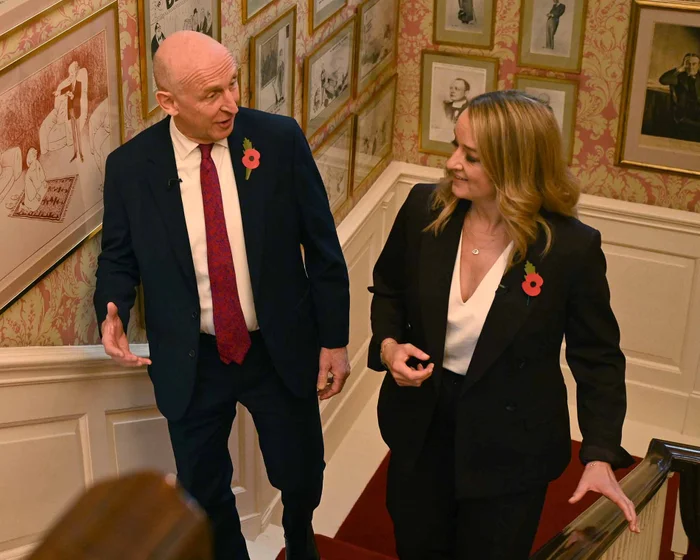
The British government's pledge to equalize the minimum wage for workers under 20 with the adult rate appears increasingly uncertain following recent ministerial remarks. Chancellor John Healey declined on Sunday to guarantee that the manifesto commitment would be achieved before the next general election. While reaffirming Labour's broad ambition to raise earnings for younger staff, Healey did not outline a concrete timeline for closing the gap.
The uncertainty follows the government's latest budget, which introduced statutory pay increases across multiple age bands without closing the relative divide. Under the updated measures, the adult minimum wage climbed to £13.21 per hour, while the legal floor for workers under 20 rose to £11.27 per hour. Although both tiers received nominal increases, policy analysts noted that a significantly larger rise for younger staff would have been required to make tangible progress toward pay parity.
Equalizing wage rates regardless of age had been pitched as a flagship workplace reform within Labour's election platform. The manifesto set an explicit objective to eliminate lower pay tiers that allow employers to pay younger adults less for equivalent roles. Delivering that overhaul before the electorate returns to the polls was framed as a key milestone for strengthening workers' rights and tackling youth living costs.
During his broadcast appearances on Sunday, the chancellor insisted that ministers retain an underlying dedication to improving pay structures for the youngest cohort of the workforce. However, his refusal to commit to a firm delivery schedule marks a noticeable shift from earlier, more definitive campaign rhetoric. When pressed on the specifics, Healey avoided confirming whether parity remains achievable within the current parliamentary term.
The hesitation highlights the broader fiscal and economic balancing act confronting the Treasury in the wake of the fiscal statement. Setting statutory wage levels requires navigating persistent cost-of-living pressures facing employees alongside employer concerns regarding operational overheads and entry-level staffing. Accelerating under-20 wage growth toward the £13.21 adult benchmark within a compressed timeframe presents distinct economic trade-offs that ministers appear wary of accelerating too abruptly.
For young employees across the country, the ongoing disparity means that age-based pay distinctions remain entrenched in statutory employment law for the immediate future. Workers under the age of 20 will continue earning nearly two pounds less per hour than their older peers performing the same duties. Advocates for wage reform have long argued that age-differentiated pay scales undervalue early-career contributions while doing little to offset similar baseline living expenses.
The chancellor's noncommittal stance also introduces political vulnerability regarding the fidelity of manifesto timelines. Pledges made during an election campaign frequently face logistical friction and fiscal constraints once translated into formal government legislation. Without a clear multi-year roadmap showing how the step from £11.27 to parity will be phased in, skepticism is likely to mount over whether the promised timetable will be met.
Looking ahead, the government will face continued scrutiny from trade unions, youth campaign organizations, and backbench lawmakers to clarify its intentions. While ministers maintain that equalisation remains an ultimate policy goal, the lack of an operational target date leaves its realization in question. Whether the Treasury chooses to accelerate younger workers' wage adjustments in upcoming budgets or postpone the manifesto deadline will determine if the commitment survives before voters next head to the ballot box.
Primary source: The Guardian Business. Newzly rewrites and structures source reporting for clarity; verify critical details at the original.