Global Fashion Brands Shift $254 Million in Apparel Orders From Bangladesh to India
Global clothing brands diverted roughly $254 million in apparel orders from Bangladesh between November 1 and 18 following persistent labor unrest, transferring the largest share of production to Indian manufacturers.
In this piece
International fashion retailers shifted approximately $254 million worth of garment orders from Bangladesh to India and other regional hubs in early November…
Global fashion retailers redirected roughly $254 million worth of apparel orders away from Bangladesh during the first eighteen days of November, shifting the bulk of that manufacturing volume to neighbouring India. Factory owners and trade bodies reported that prolonged unrest and operational disruptions prompted international buyers to hedge their seasonal supply risks.
The diverted contracts accounted for an estimated ten percent of Bangladesh's typical monthly garment export volume over that brief window. Faced with looming deadlines for spring and summer collections, procurement heads acted swiftly to transfer production runs to alternative regional hubs with immediate spare capacity.
While neighbouring India absorbed the largest share of the shifted purchase orders, clothing brands also allocated portions of the work to other Asian exporters including Vietnam, Cambodia, and Indonesia. Indian garment manufacturing clusters were particularly well positioned to accommodate the short-notice orders due to geographical proximity and readily available fabric supplies.
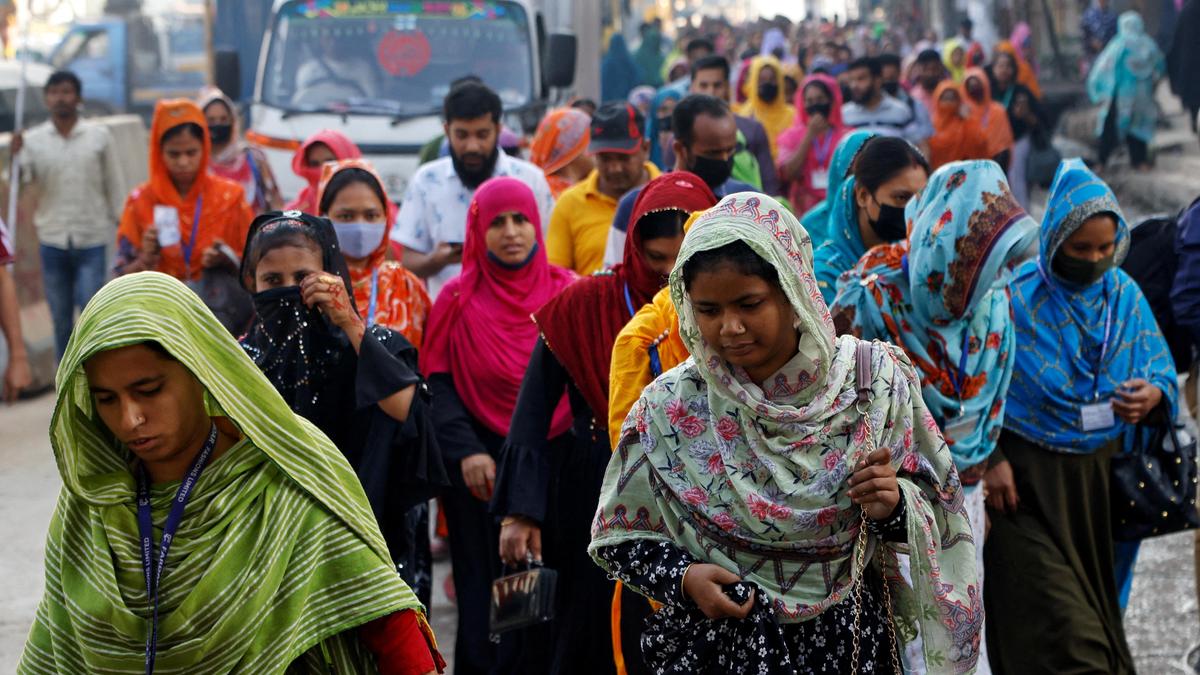
The sudden redirection follows weeks of turbulent labour demonstrations and factory closures across major industrial zones in Bangladesh, including Ashulia and Gazipur. Protests centered on minimum wage demands, safety assurances, and political transitions, which severely disrupted daily operations and factory floor attendance.
According to assessments from the Bangladesh Garment Manufacturers and Exporters Association, the unrest inflicted broader financial damage beyond diverted orders. Factory shutdowns and logistics snarls during the eighteen-day period generated direct production and shipment losses estimated to exceed $400 million.
Major international apparel labels including Inditex-owned Zara, H&M, Marks & Spencer, and Celio have historically relied heavily on Bangladeshi suppliers for affordable woven and knit garments. However, mounting supply-chain bottlenecks left corporate sourcing teams with little choice but to spread their risk across multiple countries to prevent retail store shortages.
The shift highlights the acute sensitivity of global fast-fashion supply chains to regional political and industrial volatility. For decades, Bangladesh built a dominant position as the world's second-largest ready-made garment exporter behind China, driven by competitive labour costs and preferential trade access.
For Indian textile manufacturers, the influx of unexpected orders offers a significant short-term boost but also presents operational challenges. Indian suppliers must navigate rigid delivery timelines and coordinate raw material procurement rapidly to prove they can handle high-volume fast-fashion demands consistently.
Industry leaders in Dhaka have expressed concern that temporary diversion of purchase orders could evolve into longer-term shifts if stability is not rapidly restored. Exporters have urged government authorities and labour unions to resolve outstanding grievances to rebuild buyer confidence ahead of subsequent sourcing cycles.
Moving forward, trade analysts expect global retailers to maintain diversified sourcing strategies until labour conditions and factory operations in Bangladesh normalize fully. While factory owners remain hopeful that settled labor disputes will bring buyers back, the recent disruptions have reinforced brand efforts to cultivate resilient, multi-country supply networks across South and Southeast Asia.
Primary source: The Hindu. Newzly rewrites and structures source reporting for clarity; verify critical details at the original.