Bihar Encounter: Slain Youth’s Mother Begins Fast-Unto-Death Demanding CBI Inquiry
The mother of Bharat Bhushan Tiwari, who was killed in an alleged fake encounter in Bihar's Bhojpur, has begun an indefinite hunger strike, drawing backing from independent MP Pappu Yadav.
In this piece
Asha Devi, mother of slain Bihar youth Bharat Bhushan Tiwari, has begun a fast-unto-death in Bhojpur district demanding a CBI investigation into his death.…
Asha Devi, the mother of 28-year-old Bharat Bhushan Tiwari who was killed in a contentious police shooting in Bihar earlier this year, has launched an indefinite fast-unto-death protest in Bhojpur district. Sitting alongside grieving family members in Bilauti village, she accused state authorities of reneging on assurances made in the immediate aftermath of her son's death. The protest has reignited public attention around the incident, which family members and local residents allege was a staged encounter.
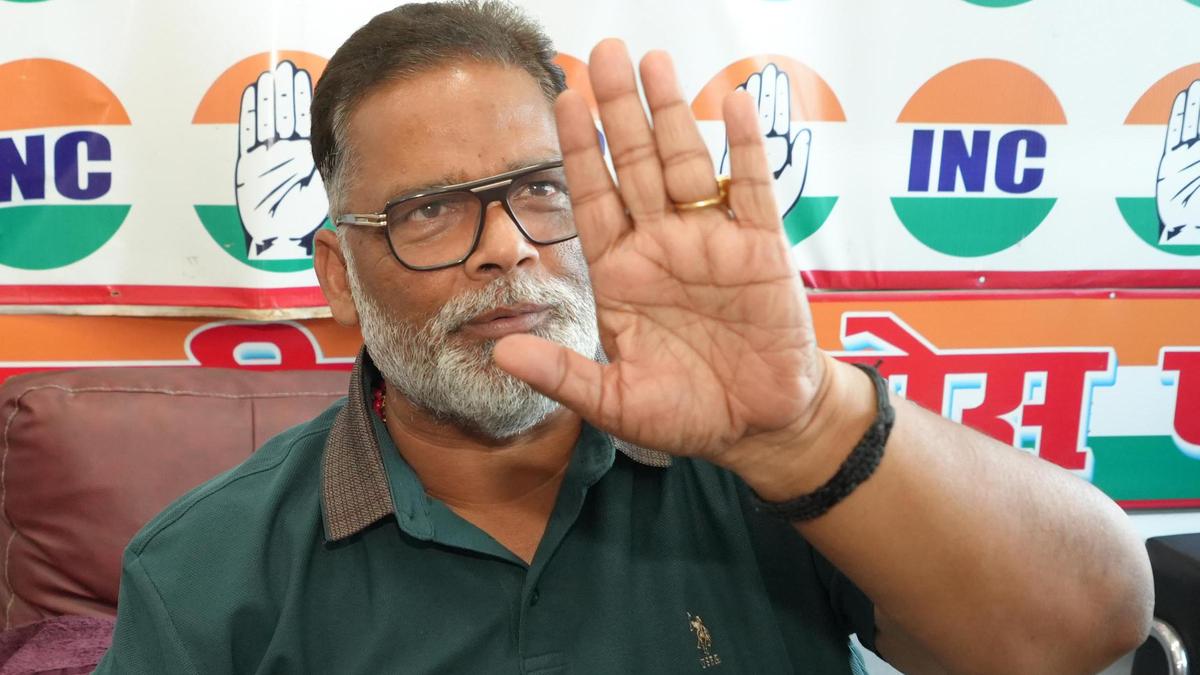
Independent Member of Parliament from Purnea, Rajesh Ranjan, popularly known as Pappu Yadav, visited the protest site to express solidarity with the bereaved family. Addressing local residents and reporters, the lawmaker threw his weight behind their demands for an impartial inquiry. He urged the authorities to transfer the investigation to central agencies to uncover the full sequence of events leading to Tiwari's death.
Yadav demanded that the Central Bureau of Investigation take charge of the case under direct judicial supervision to ensure accountability and prevent administrative interference. He argued that local investigative bodies could not be relied upon to deliver a credible outcome given the involvement of state law enforcement personnel. The parliamentarian insisted that justice must be delivered swiftly to restore public faith in the rule of law.
The controversy traces back to June 2026, when Bharat Bhushan Tiwari was shot dead during a joint operation involving the Bhojpur district police and the Bihar Special Task Force in Bilauti. At the time of the operation, police officials claimed they had acted in self-defense after coming under fire during a standoff. However, Tiwari's family and local villagers immediately disputed that account, maintaining that he had surrendered and was unarmed when law enforcement opened fire.
According to the family's formal complaint, Tiwari was shot at close range after relinquishing his weapon, an assertion supported by eyewitness testimonies and post-mortem findings that documented multiple bullet wounds. His relatives have consistently termed the incident an extrajudicial execution, alleging that procedural safeguards were deliberately discarded. They filed murder complaints against several police officers involved in the operation.
In the weeks following the killing, widespread demonstrations and public outrage prompted local administrators to offer a package of relief measures to de-escalate tensions. Officials had verbally promised financial compensation, a government job for a family member, and strict disciplinary measures against personnel found culpable. Tiwari's family maintains that months have passed without meaningful progress on any of these commitments, prompting them to resort to an indefinite hunger strike.
Although the state government had previously initiated a judicial inquiry headed by a retired High Court judge, family members remain dissatisfied with the pace and scope of the proceedings. They contend that departmental delays have shielded key officers from scrutiny, while those suspended during initial inquiries have not faced formal arrest. The lack of criminal prosecution has deepened distrust between the grieving household and local law enforcement.
The case has amplified broader civil rights concerns regarding police encounters and accountability mechanisms in Bihar. Human rights advocates and opposition leaders have pointed to the Tiwari episode as symptomatic of systemic impunity among armed law enforcement units. Legal experts emphasize that statutory guidelines laid down by the Supreme Court regarding encounter deaths require immediate independent registration of cases and mandatory third-party oversight.
With Asha Devi's health monitored closely by relatives as the fast progresses, community elders and local organizers have warned that the stir could widen if administrative officials do not intervene. Pappu Yadav indicated that he intends to raise the matter with top state authorities and before relevant parliamentary forums if the government fails to address the family's grievances. Observers note that the administration now faces mounting pressure to deliver concrete answers regarding both the promised relief measures and the stalled criminal investigation.
Primary source: Google News Bihar. Newzly rewrites and structures source reporting for clarity; verify critical details at the original.