Israel's President Tasks Opposition Leader Eisenkot With Forming Government
Israel's president has tasked opposition leader Eisenkot with assembling a governing coalition following an inconclusive election. Neither Prime Minister Benjamin Netanyahu's bloc nor his rivals secured a parliamentary majority.
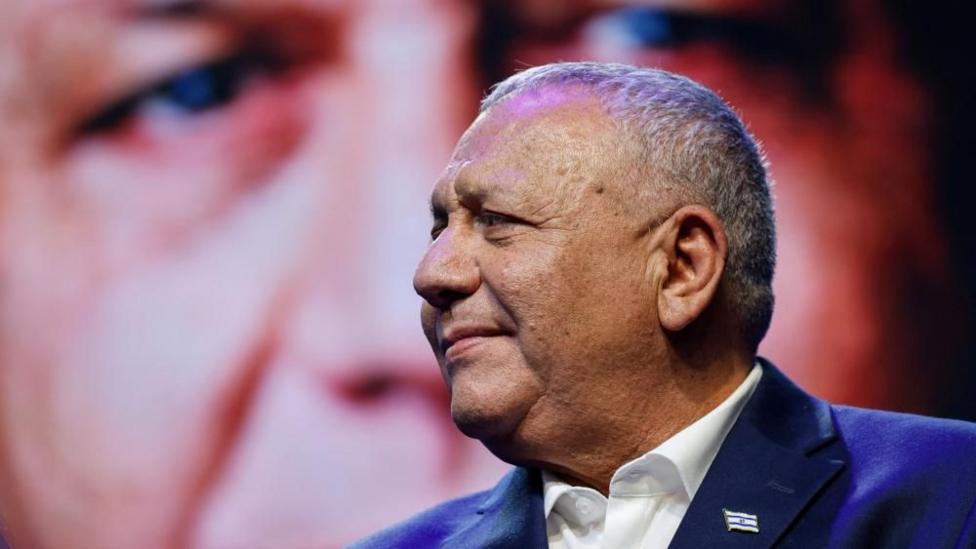
Israel's president has formally tasked opposition leader Eisenkot with attempting to form the country's next governing coalition, according to reports from BBC World. The decision follows a closely contested national election held last week that produced another fragmented parliament. Neither Prime Minister Benjamin Netanyahu's political bloc nor that of his rival succeeded in securing an outright majority of seats.
The election results left the political landscape deadlocked, reflecting deep and persistent divisions among voters. With neither major camp commanding the numbers needed for an immediate parliamentary majority, the responsibility shifted to the presidency to designate a lawmaker capable of assembling an administration. The mandate gives Eisenkot the official opportunity to negotiate with various political factions.
Under the formal process, the tasked leader must engage in extensive discussions across party lines to build a viable working majority. Securing enough commitments in a divided legislature typically requires navigating conflicting policy demands and ministerial appointments. Observers note that reaching consensus under such fractured electoral conditions represents a formidable political challenge.
The development marks a significant hurdle for long-serving Prime Minister Benjamin Netanyahu, whose political bloc fell short of the threshold required to retain power outright. Netanyahu has repeatedly sought to consolidate legislative support in consecutive election cycles to preserve his leadership. Failing to secure a decisive victory has once again constrained his path toward establishing a stable governing coalition.
For Eisenkot, leading the opposition into coalition negotiations presents both an opportunity and substantial logistical hurdles. Assembling a governing alliance from disparate factions with competing domestic and security priorities often requires major compromises. Any potential coalition would likely depend on delicate cooperation among groups that hold starkly divergent views on key national issues.
The political impasse underscores prolonged volatility within the nation's governance, where repeated elections and narrow parliamentary margins have frequently led to fragile administrations. Political instability complicates long-term policy planning and fiscal administration, leaving institutions vulnerable to sudden legislative collapses. The outcome of these negotiations will determine the strategic and diplomatic posture of the government in the months ahead.
Coalition talks in such environments are typically prolonged, as party leaders leverage their parliamentary weight during negotiations. Smaller factions often demand significant concessions on policy agendas and cabinet portfolios in exchange for their support. If talks stall or key factions refuse to participate, the risk of extended administrative uncertainty increases significantly.
Looking ahead, Eisenkot will have a defined window to conduct official discussions and assemble a functioning majority. If the opposition leader fails to reach an agreement with potential coalition partners, the mandate could either be transferred to another lawmaker or the country could ultimately face another round of voting. For now, political leaders are preparing for intensive consultations to determine whether a viable governing framework can emerge from the election results.
Primary source: BBC World. Newzly rewrites and structures source reporting for clarity; verify critical details at the original.