Jordan strikes Syria after church attack; Syrian officials report civilian deaths
Jordan said it targeted armed groups linked to a deadly church attack, while Syrian health officials reported at least five civilian deaths, including women and children.
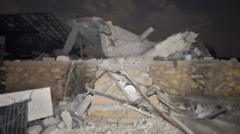
Jordan carried out airstrikes in southern Syria in retaliation for a deadly church attack, with Syrian health officials initially reporting that five civilians, including women and children, were killed. Jordan’s military said it targeted armed groups connected to the perpetrators of the attack, while Syrian authorities challenged how the operation was conducted.
The Jordanian Armed Forces said those responsible for the church attack were linked to organizations operating in southern Syria. It said its aircraft destroyed sites and equipment and killed or wounded members of those groups, but did not identify the organizations or provide precise locations or casualty figures for its targets.
Syrian health authorities described civilian casualties in the countryside of Daraa province. Subsequent reports gave higher death tolls: Syrian Civil Defence reported seven people killed and three wounded across locations in Daraa and Sweida, according to Reuters. Arab News later reported a Syrian toll of eight civilians, underscoring that the casualty accounting was still developing.
The strikes followed an attack on a Greek Orthodox church during a funeral in Jordan’s Karak governorate that killed nine people. Jordanian authorities arrested three suspects after a confrontation with security forces. The church killings prompted national mourning and a pledge from King Abdullah II that those responsible would face punishment.
Accounts also differed over whether the cross-border operation had been coordinated. Reuters reported that Jordan’s armed forces said it was conducted in coordination with Damascus, while the Syrian government said it had received no prior notification. Syria’s foreign ministry conveyed its objection to Jordan, making the handling of the operation a diplomatic issue alongside the disputed accounts of its impact.
The Syrian government said authorities were investigating the circumstances, monitoring developments on the ground and communicating with Jordan. It called for military and security coordination in border areas to protect Syrian sovereignty and the security of both countries. That response placed the need for communication between the neighboring governments at the center of Damascus’s public position.
The available statements leave important questions unresolved about the targets and those killed. Jordan described an operation against groups it linked to the church attackers, but its public account did not name those groups. Syrian officials, meanwhile, reported civilian deaths; those reports do not independently establish the identities or affiliations of everyone at the targeted sites.
Further findings from Syria’s investigation and exchanges between the two governments could clarify the circumstances of the strikes. For now, the official accounts remain divided over coordination, while casualty figures have changed between reports. Establishing a fuller account will require distinguishing Jordan’s claims about its intended targets from Syrian reporting on the people killed and wounded.
Primary source: BBC World. Newzly rewrites and structures source reporting for clarity; verify critical details at the original.