Just 400 US Data Centers Consume More Electricity Than the Entire State of Michigan, Study Finds
A new Harvard study reveals that just 403 hyperscale data centers in the United States consume more electricity than the entire state of Michigan, highlighting mounting strain on power grids from the rapid expansion of artificial intelligence.
In this piece
Just over 400 hyperscale data centers across the United States consume more electricity than the entire state of Michigan, according to new Harvard research.…
A relatively small cluster of massive data centers across the United States is consuming more electricity each year than entire American states, according to a new study from researchers at the Harvard T.H. Chan School of Public Health. The research reveals that just 403 hyperscale facilities accounted for roughly 2 percent of the nation's total electricity demand. The comparison underscores the extraordinary concentration of power required to keep modern digital infrastructure humming.
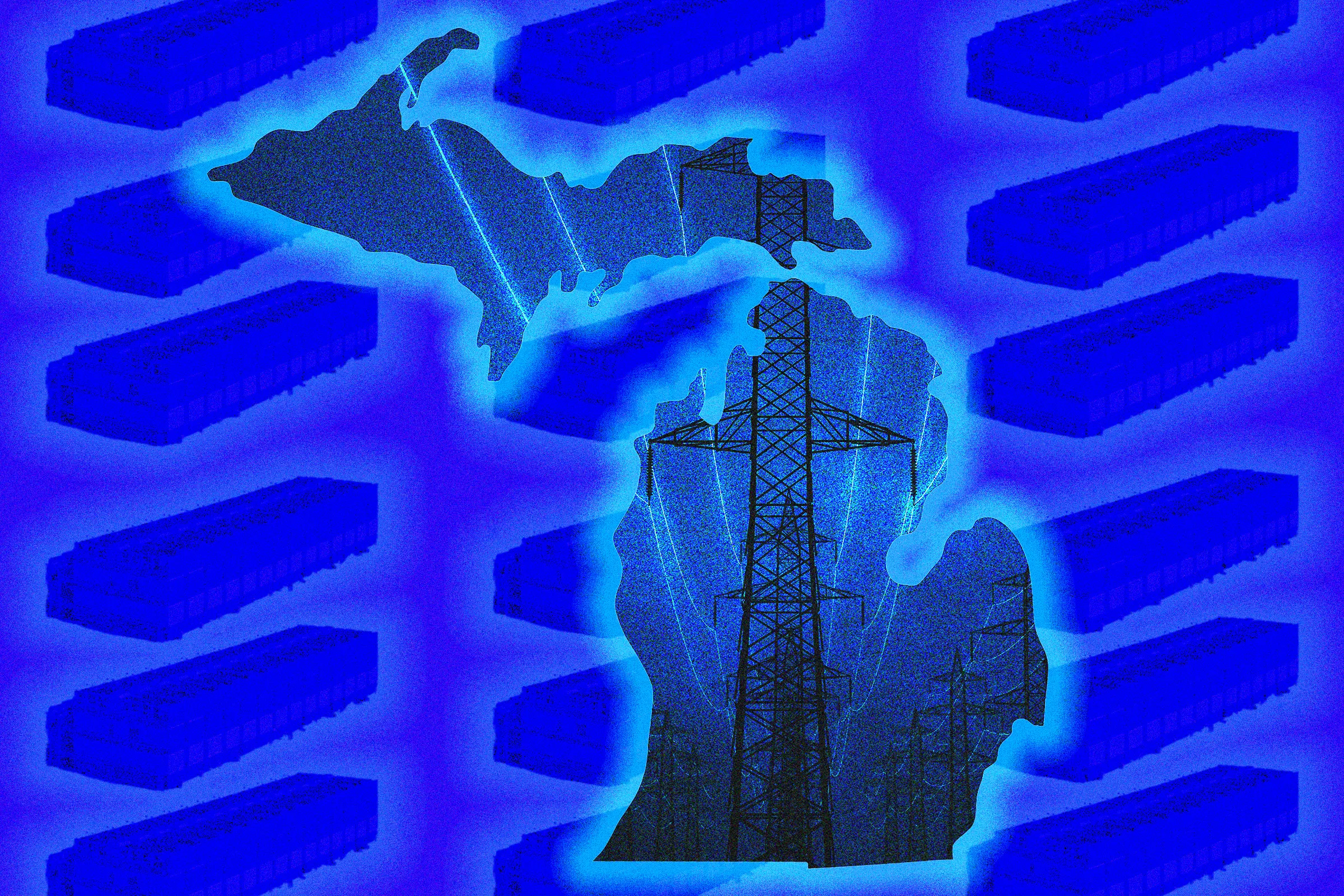
To put that energy footprint in perspective, the electricity used by those 400-odd facilities exceeds the annual power consumption of Michigan, a state with nearly 10 million residents. The total also rivals the electrical consumption of several small European nations combined. Researchers noted that the sheer scale of this localized power draw demonstrates how computational demands have outpaced conventional industrial energy planning.
Hyperscale data centers are cavernous, warehouse-sized structures housing tens of thousands of specialized servers. While data processing has steadily expanded for two decades, the current surge is fueled by intense corporate investment in generative artificial intelligence and high-capacity cloud computing. Running and cooling these massive clusters of advanced microprocessors requires an uninterrupted, baseline supply of power around the clock.
Despite prominent sustainability pledges and clean energy purchasing agreements by major technology corporations, the study found that the facilities remain heavily reliant on carbon-intensive energy sources. The researchers estimated that between 54 percent and 60 percent of the electricity feeding these 403 data centers comes from fossil fuels. As a result, the operations are responsible for tens of millions of metric tons of carbon dioxide emissions annually.
The true environmental and energy toll may be even larger than standard utility billing records indicate. The Harvard researchers emphasized that their calculations focused on grid-connected facilities, meaning the figures do not account for data centers that rely on dedicated, behind-the-meter natural gas plants. As grid connection queues stretch for years, tech operators have increasingly explored on-site fossil-fired generation to power their facilities without waiting for utility approvals.
The findings arrive as regional transmission networks and public utilities struggle to balance soaring commercial power requests with everyday residential needs. Data centers tend to cluster in specific geographic regions with favorable tax codes and fiber-optic density, creating intense local bottlenecks. In some utility territories, requested capacity from prospective computing facilities already exceeds existing generation reserves, forcing grid planners to delay scheduled coal plant retirements.
The rapid growth has touched off contentious debates among regulators, energy executives, and local communities over who bears the financial burden of new transmission lines and substations. Consumer advocates have raised alarms that everyday utility ratepayers could end up subsidizing the expensive infrastructure upgrades needed to feed private tech campuses. Simultaneously, local governments are wrestling with zoning approvals, water usage for evaporative cooling systems, and noise complaints from neighboring properties.
Technology companies have argued that their long-term presence will ultimately accelerate investments in next-generation clean power, including nuclear energy and advanced geothermal projects. Several major tech firms have recently signed multi-gigawatt agreements to restart dormant nuclear reactors or purchase zero-carbon generation. However, energy analysts caution that commercializing advanced clean generation will take years, while computing demand continues to surge immediately.
Looking ahead, federal regulators and state utility commissions are expected to step up oversight of commercial data center interconnections. Lawmakers in several states are already considering legislation that would require large tech operators to prove energy independence or contribute directly to grid reliability funds before connecting. As artificial intelligence models grow increasingly complex, the balance between digital innovation and physical grid constraints is likely to remain one of the defining infrastructure battles of the decade.
Primary source: Wired. Newzly rewrites and structures source reporting for clarity; verify critical details at the original.