Karnataka Delegation Inspects Osaka Waste-to-Energy Facility in Japan
A high-level government delegation from Karnataka visited the landmark Maishima waste-to-energy plant in Osaka to study Japanese urban solid waste processing and clean power generation technologies.
In this piece
A Karnataka state delegation visited the renowned Maishima Incineration Plant in Osaka, Japan, to evaluate advanced waste-to-energy technologies and sustainable…
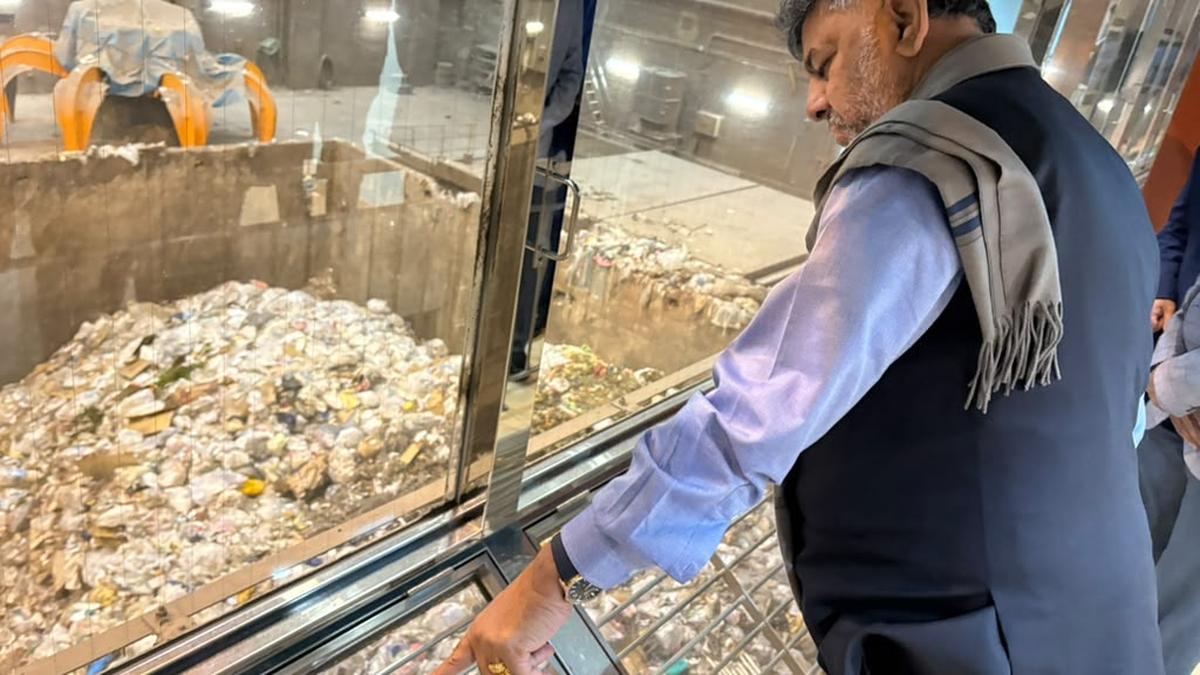
A high-level official delegation from Karnataka visited the landmark Maishima Incineration Plant in Osaka, Japan, to inspect its municipal waste-to-energy operations and environmental management systems. The study tour forms part of the state government's ongoing effort to evaluate international municipal practices and identify modern, sustainable solutions for solid waste disposal.
State leaders and senior officials toured the operational sections of the renowned Japanese facility to examine how advanced thermal processing can convert municipal refuse into clean electric power. The inspection focused on understanding the technical specifications of modern incinerators, operational efficiencies, and the plant's overall integration into Osaka's urban municipal services.
Located on the artificial island of Maishima in Osaka Bay, the incineration facility has been operational since 2001 and remains one of Japan's most recognizable environmental utilities. The facility is engineered to process up to 900 tonnes of municipal solid waste every day utilizing two large-scale industrial incinerators, significantly reducing the volume of refuse directed to landfills.
In addition to volume reduction, the facility functions as a significant municipal power generator with an installed electrical capacity of 32 megawatts. Steam produced during the controlled combustion of municipal refuse drives heavy-duty turbine generators, enabling the plant to fully satisfy its own electricity requirements while exporting substantial surplus electricity back to the local power distribution grid.
Delegation members closely reviewed the advanced pollution control systems and combustion mechanisms engineered to limit atmospheric emissions. The plant relies on high-temperature combustion controls, multi-stage flue-gas filtration, and continuous emissions monitoring systems designed to minimize harmful pollutants, dioxins, and particulate matter before clean exhaust is released.
Beyond its industrial capabilities, the Maishima facility is globally celebrated for its distinctive ecological architecture designed by the late Austrian artist Friedensreich Hundertwasser. The plant features whimsical, organically shaped towers, vibrant colors, and extensive vegetation, demonstrating how industrial infrastructure can be designed to coexist harmoniously with surrounding urban environments and serve as an educational center for public awareness.
The Japanese inspection comes at a critical juncture as rapidly urbanizing centers across Karnataka grapple with soaring volumes of daily municipal solid waste. With primary landfills facing capacity constraints and localized pushback against traditional dumping grounds, state policymakers have increasingly prioritized scientific processing methods, segregation, and clean energy conversion to address urban environmental sanitation.
The Osaka plant visit was embedded within a broader international tour undertaken by Karnataka representatives across major Japanese industrial hubs, including Nagoya, Tokyo, and Osaka. The overarching mission centers on exploring technical partnerships, attracting sustainable infrastructure investments, and adapting proven municipal waste management frameworks to Indian urban conditions.
State officials are expected to assess the economic viability and technical feasibility of deploying comparable waste-to-energy models adapted to the specific composition of Indian municipal waste. While high-moisture organic waste often poses unique operational challenges for direct thermal incineration in South Asia, insights gained from Japan's advanced processing and filtration systems are intended to guide future policy decisions and municipal tenders in Karnataka.
Primary source: Google News Karnataka. Newzly rewrites and structures source reporting for clarity; verify critical details at the original.