Karthigai Deepam Lit Only at Deepa Mandapam for Over 150 Years, Tamil Nadu Tells Supreme Court
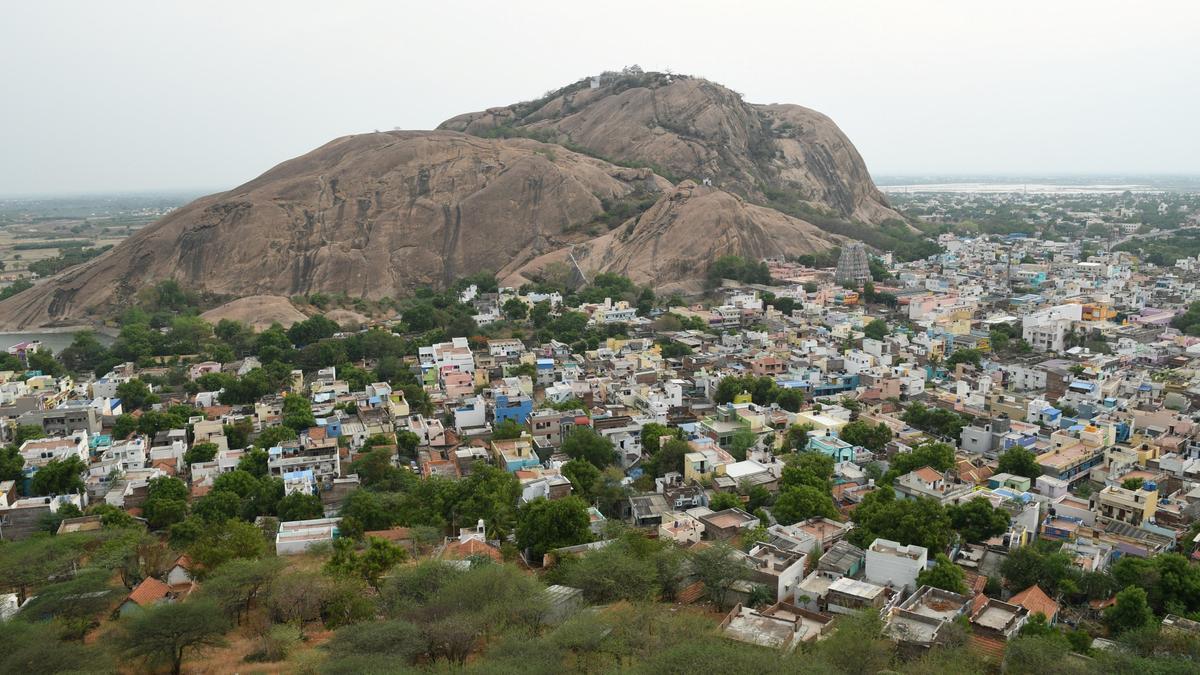
The Tamil Nadu government told the Supreme Court that the Karthigai Deepam has been lit only at the deepa mandapam for over 150 years, dismissing claims to light the flame on Thirupparankundram Hill.
In this piece
The Tamil Nadu government has told the Supreme Court that Karthigai Deepam has been lit exclusively at the deepa mandapam for more than 150 years. Officials…
The Tamil Nadu government has informed the Supreme Court that the Karthigai Deepam festival flame has been lit exclusively at the deepa mandapam for more than 150 years. In its detailed response submitted before the apex court, the state maintained that established traditions have firmly designated the mandapam as the sole recognized venue for the sacred observance. The government emphasized that there is no historical foundation to alter this longstanding ceremonial practice.
According to the state administration, there has never existed any established practice, custom, or prior claim of lighting the Karthigai Deepam on the summit of Thirupparankundram Hill. Officials told the bench that historical records preserved across generations consistently reflect that the ceremony has remained confined to its customary location. The submission asserted that introducing ceremonies at the hilltop would represent a clear departure from recorded tradition.
The government also specifically challenged assertions concerning the elevated stone pillar on the hill, which has been characterized in recent representations as the deepathoon. In its formal response, the state clarified that this pillar has never functioned as an authorized ceremonial point for the festival. The filing stressed that attributing sacred lighting functions to the structure lacks both administrative corroboration and customary precedent.
By highlighting an unbroken record spanning over a century and a half, the state argued that religious observances must strictly respect verified conventions. Temple administration, the government noted, relies heavily on adhering to time-honored rituals that have been preserved through statutory and customary frameworks. Introducing unverified innovations or changes risks undermining the traditional sanctity of the shrine.
The dispute before the highest court centers on conflicting claims regarding historical rights and devotional practices associated with the revered hill. The state maintained that customs cannot be created or assumed without credible archival or agamic backing. Consequently, it urged the court to uphold the status quo that has guided religious ceremonies at the site without dispute for over a century.
The administration underscored that maintaining public harmony and religious discipline depends heavily on safeguarding established temple conventions. Altering ceremonial boundaries or establishing alternative sites for lighting sacred flames could create administrative challenges and unnecessary friction. The government maintained that its primary responsibility is to protect recognized traditions against unilateral attempts to redefine ceremonial procedures.
The distinction between the traditional deepa mandapam and the hilltop stone pillar remains a pivotal element of the ongoing litigation. The state pointed out that designating the pillar as a deepathoon represents an unverified description that does not appear in official religious records. Upholding authentic customs, the submission noted, requires distinguishing between genuine heritage and novel claims.
Legal observers note that disputes involving temple rites and festival practices frequently turn on the evidentiary weight of historical documentation and administrative records. Courts in such matters typically examine whether alleged customs possess the antiquity, uniformity, and continuity necessary to gain legal recognition. The state government expressed confidence that its comprehensive documentation conclusively disproves the existence of any summit ritual.
As proceedings continue before the Supreme Court, judicial scrutiny is set to focus on the historical authenticity of claims seeking access to the hilltop pillar. The upcoming hearings will assess whether existing records justify any change to the current ritual framework. A ruling from the top court will ultimately determine the future conduct of the Karthigai Deepam observances at Thirupparankundram Hill.
Primary source: The Hindu. Newzly rewrites and structures source reporting for clarity; verify critical details at the original.