Tamil Nadu Pastoralists Demand Representation in Wildlife Conservation Bodies
Traditional herders in Tamil Nadu are urging the state government to grant them formal representation on wildlife panels, calling for the protection of customary grazing rights and recognition of indigenous ecological knowledge.
In this piece
Pastoralist groups in Tamil Nadu have submitted a four-point charter seeking seats on the State Board for Wildlife and statutory safeguards for customary…
Pastoralists and traditional herders across Tamil Nadu are urging the state government to grant them formal representation in wildlife conservation policymaking, challenging administrative frameworks that exclude indigenous communities. Pastoral federations have submitted a four-point charter demanding seats on statutory decision-making panels, including the State Board for Wildlife.
The charter calls on authorities to formally acknowledge traditional pastoralist knowledge within wildlife conservation strategies and to protect seasonal mobility. Herders are also demanding the full protection of historical grazing rights under the Forest Rights Act, alongside an immediate review of departmental orders that restrict customary transit routes.
The mobilization gained momentum following the recent reconstitution of the Tamil Nadu State Board for Wildlife, which traditional livestock keepers say continues to sideline grassroots communities. While the high-level body includes government officials, certified biologists, and established non-governmental conservationists, herders argue that their day-to-day stewardship is treated as an externality rather than an essential component of ecological management.
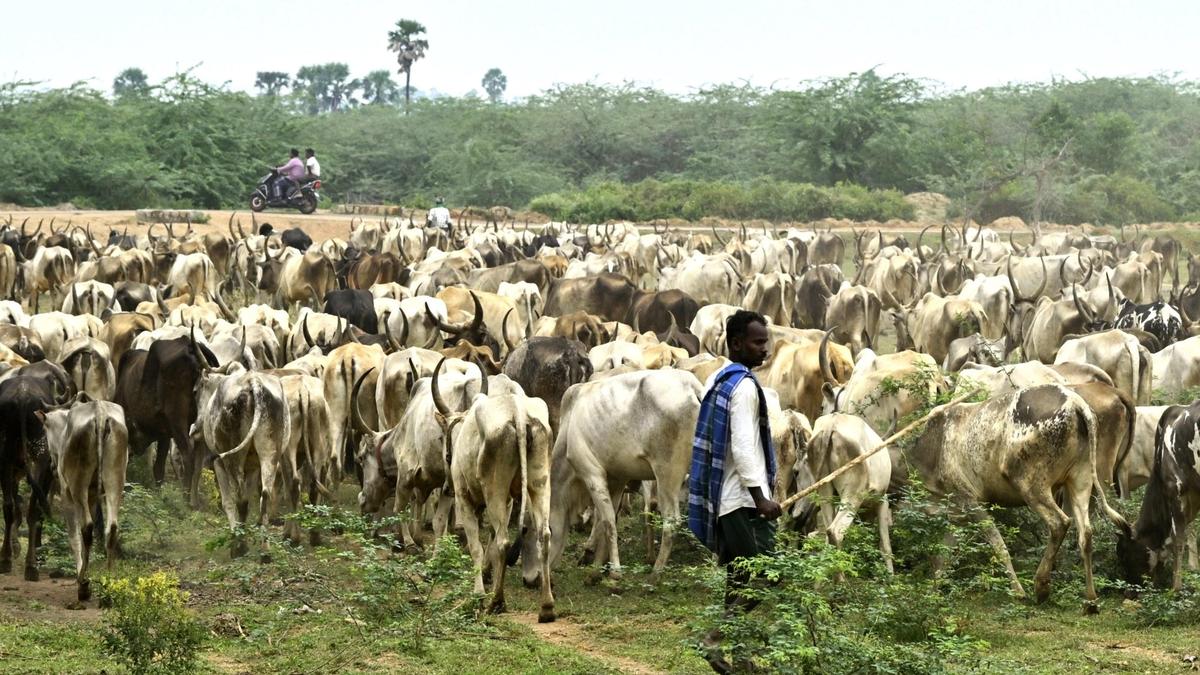
For generations, pastoralists across Tamil Nadu, including communities rearing indigenous cattle breeds and small ruminants, have relied on seasonal migration between plains, scrub forests, and higher rangelands. These migratory routes depend heavily on access to open grasslands and reserve forest corridors, which provide fodder during dry seasons when agricultural fields cannot sustain livestock.
A primary grievance raised by herding groups centers on the administrative misclassification of semi-arid scrublands, rangelands, and open plateau ecosystems as wastelands. Pastoral representatives argue that labeling these biodiverse ecosystems as barren has encouraged disruptive land conversions, industrial diversions, and ill-conceived afforestation drives that displace native flora and eliminate vital grazing habitats.
Pastoral leaders contend that prevailing conservation policy in India remains entrenched in an exclusionary fortress conservation model that treats human presence as inherently detrimental to nature. In contrast, herders maintain that their rotational grazing practices help control biomass, prevent catastrophic forest fires, and foster a balanced ecosystem where livestock and native wildlife have coexisted for centuries.
Increasing restrictions around wildlife sanctuaries, national parks, and newly declared tiger reserves have heightened tensions between the state forest department and pastoralist families. Herders routinely face heavy administrative fines, seizures, and entry bans under state forest rules, creating acute economic insecurity and putting customary livelihoods at risk despite protections promised under national statutes.
Pastoral federations emphasize that traditional ecological knowledge offers critical, ground-level insights into wildlife movements, local water sources, and vegetation dynamics that satellite surveys and intermittent field visits often overlook. They argue that integrating generational wisdom with modern conservation science would make forest governance more effective, participatory, and humane.
As debate over participatory conservation expands across southern India, community leaders are preparing to step up dialogue with state legislators and wildlife administrators. Forest officials have not formally committed to altering the composition of the wildlife board, but advocacy groups say sustainable biodiversity protection will remain contested until traditional forest stewards are given a recognized voice in environmental governance.
Primary source: Google News Tamil Nadu. Newzly rewrites and structures source reporting for clarity; verify critical details at the original.