Kenyans fear flooding as powerful El Niño threatens heavy rains
Forecasts of unusually heavy rain are raising fears in Kenya, where residents of vulnerable riverside settlements face the prospect of renewed flooding and limited options for moving to safety.
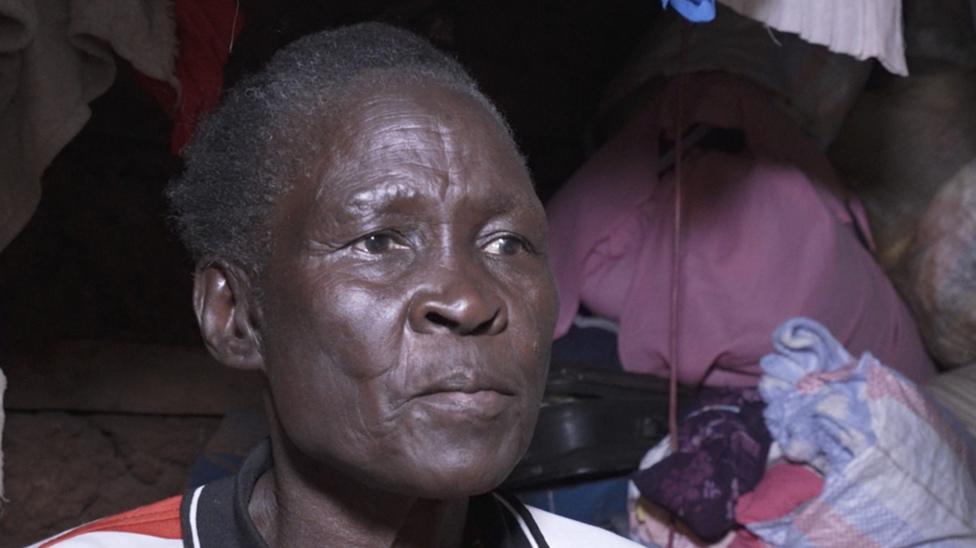
Kenyans are bracing for potentially destructive flooding as forecasters warn that El Niño could be among the strongest on record, bringing unusually heavy rainfall to parts of the country. The BBC reports that the approaching threat is causing particular anxiety in Nairobi’s Kibera settlement, where homes beside the Ngong river remain vulnerable.
Among those worried is Agnes Shikoli, whose corrugated-iron home flooded during an earlier rainy season. She told the BBC that her sister died after floodwater entered her house, leaving Shikoli fearful of both rising water and the possibility that fragile homes could collapse.
Preparations described by the BBC include workers removing rubbish from the riverbed near Shikoli’s home. Officials have advised her family to leave the riverbank during the rainy season, but she says she cannot afford to move, illustrating the gap between receiving a warning and being able to act on it.
El Niño begins in the tropical Pacific, but its influence reaches far beyond that ocean. According to the US National Oceanic and Atmospheric Administration, changes in ocean temperatures alter where heat enters the atmosphere, influencing circulation, rainfall and temperatures around the world.
The phenomenon is the warm phase of the El Niño-Southern Oscillation, a naturally occurring climate cycle. NOAA says El Niño typically occurs every two to seven years and lasts around nine to 12 months, although individual events differ in their development and effects.
Its strength does not translate into an identical outcome everywhere. The United Nations explains that El Niño can leave some regions facing drought and water shortages while others experience heavier rainfall, flooding and increased disease risks, making regional forecasts important for preparations.
For exposed communities, the danger extends beyond damage to buildings and possessions. The World Health Organization says flooding can contaminate drinking-water supplies, cause injuries and leave standing water where mosquitoes can breed; these are general flood hazards, not confirmation of an outbreak in the communities described by the BBC.
WHO identifies continued access to safe drinking water as a central measure for reducing the risk of waterborne disease after floods. Its guidance also stresses knowing local warning signals and evacuation routes, measures that become harder to implement when households lack money or alternative accommodation.
The agency’s broader guidance on El Niño notes that vulnerability is shaped by housing, sanitation, healthcare access and dependence on weather-sensitive livelihoods. Forecasts therefore provide an opportunity to prepare, but do not by themselves remove the conditions that leave poorer households exposed to extreme weather.
The World Meteorological Organization says national weather services remain the authoritative source for locally relevant warnings as the event evolves. For residents such as Shikoli, the immediate challenge is whether those warnings can be matched by practical protection before heavier rain arrives.
Primary source: BBC Science. Newzly rewrites and structures source reporting for clarity; verify critical details at the original.