Slimbridge’s swan sanctuary puts wetlands at heart of climate campaign
As Slimbridge marks 80 years of conservation, the Wildfowl and Wetlands Trust is championing wetland restoration to protect wildlife, store carbon and help communities withstand flooding.
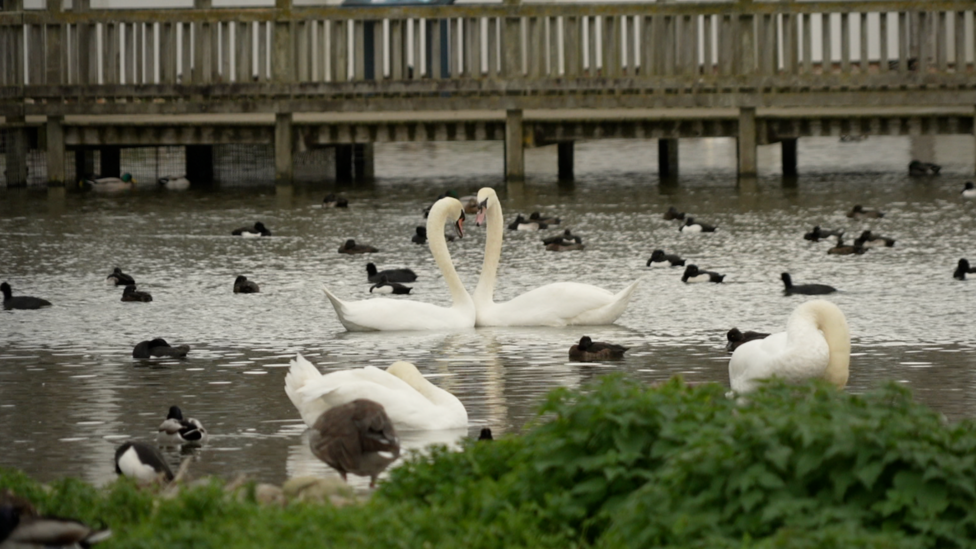
The Wildfowl and Wetlands Trust is using the 80th anniversary of its Slimbridge reserve to highlight the climate value of wetlands, taking a conservation story rooted in migrating swans and geese to a wider audience. The charity is calling for restoration that protects wildlife while strengthening carbon storage and flood resilience, BBC Science reports.
Slimbridge opened in Gloucestershire on 10 November 1946, founded by naturalist Peter Scott beside the River Severn. It became the first of what are now 10 WWT wetland centres across the UK, establishing a base for conservation work that has expanded well beyond the original sanctuary.
The anniversary campaign reflects that broader mission: protecting birds also means protecting the water-dependent landscapes they need. WWT’s published restoration programme combines a target to create and restore 100,000 hectares of UK wetlands by 2050 with an ambition to improve one million hectares internationally through locally led action.
Saltmarshes offer a particularly visible example of how wildlife habitat and carbon storage can work together. Plants grow across tidal landscapes, while incoming water deposits sediment that can bury organic material and retain carbon beneath the surface. WWT describes this stored coastal carbon as blue carbon.
The charity’s research at Steart Marshes in Somerset illustrates the potential, although findings from one site should not be treated as a universal rate for every wetland. In a report on the project, WWT said the restored saltmarsh buried more than 18,000 tonnes of organic carbon during a four-year study period after land was reconnected to the sea.
The benefits extend beyond carbon. WWT identifies flood buffering, water purification and support for wildlife among the reasons to restore wetlands, with projects ranging from extensive coastal marshes to ponds and rain gardens in towns and cities. That range puts restoration within both landscape-scale conservation and urban planning.
The wider evidence shows why protection is urgent. The Convention on Wetlands’ Global Wetland Outlook 2025 estimates that about 411 million hectares of wetlands have disappeared since 1970, representing a 22% decline in global extent. It also reports that approximately a quarter of remaining wetlands are in poor ecological condition.
Those losses involve more than the disappearance of bird habitat. The outlook identifies agricultural expansion, pollution, infrastructure development, disrupted water systems and climate change as interacting pressures. It also distinguishes between wetland types: degraded peatlands can release greenhouse gases, while coastal habitats can store carbon and help buffer shorelines.
For WWT, the next phase depends on partnerships as well as restoration techniques. Its strategy envisages working with landowners, farmers, governments, scientists and businesses in the UK, while supporting community-led conservation in priority international areas. The stated aim is to protect local livelihoods alongside important wetland habitats.
Slimbridge’s anniversary therefore connects a long-running bird sanctuary with a larger environmental task. WWT’s published goals set the direction, but the work ahead lies in creating, restoring and managing wetlands on the ground. The charity’s case is that these places should be valued not only for the wildlife visitors see, but also for the less visible services they provide.
Primary source: BBC Science. Newzly rewrites and structures source reporting for clarity; verify critical details at the original.