Sales of Tinned Food and Bottled Water Surge Following UK 'Be Ready' Campaign
Supermarket sales of bottled water, hand sanitiser, and canned goods have surged across the UK following the launch of the government's 'Be Ready' emergency preparedness campaign, according to retail industry data.
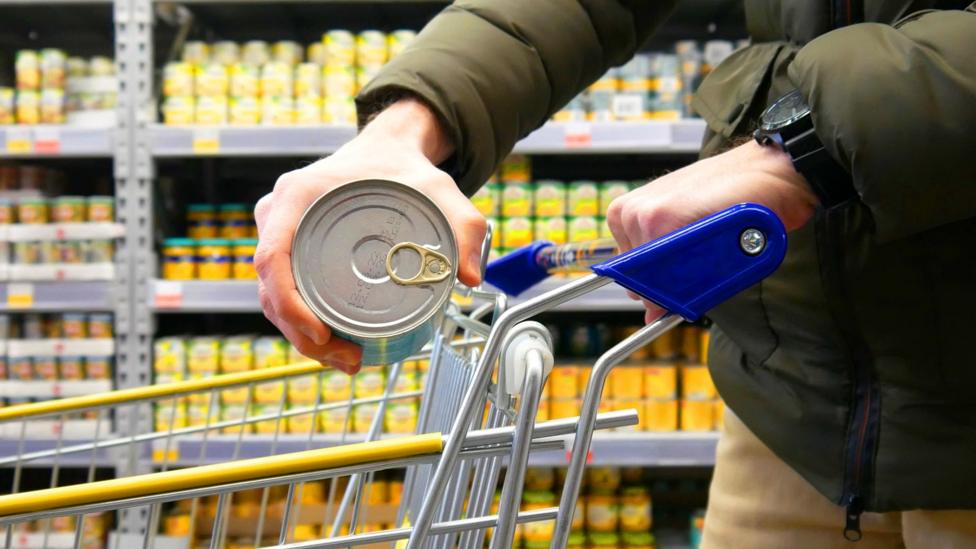
Sales of essential survival items, including bottled water, hand sanitiser, and non-perishable foodstuffs, have recorded steep increases across the United Kingdom following the official launch of the government's "Be Ready" resilience campaign. Retail analysts reported noticeable shifts in purchasing patterns within days of ministers urging households to build up short-term emergency provisions.
According to figures compiled by market research firm Worldpanel by Numerator, sales of hand sanitiser surged by 83 percent in the ten days following the campaign's rollout on October 22. During the same period, consumer purchases of bottled water rose by 67 percent, while demand for tinned and jarred goods increased by 37 percent across grocery outlets.
Individual supermarket chains and food manufacturers corroborated the broader retail figures with their own trading updates. Supermarket chain Iceland recorded a 40 percent jump in sales of tinned products over the initial weekend after the announcement, while major canned food producer Princes also registered a pronounced spike in orders for tinned fish and meat.
The surge in demand followed the British government's introduction of the "Be Ready" initiative, which advises domestic households to prepare for sudden disruptions to essential services. The campaign recommends that families assemble emergency kits capable of sustaining them for up to 72 hours in the event of severe weather incidents, power failures, or major cyberattacks.
Guidance published alongside the campaign suggested stocking supplies including non-perishable food, three litres of drinking water per person per day, wind-up or battery-powered torches, and portable radios. Authorities emphasised that these precautions are standard civic resilience measures designed to prevent strain on emergency services during national or local crises.
Retail analysts were swift to note that the immediate rise in sales does not mirror the chaotic panic buying witnessed during the onset of the coronavirus pandemic. Consumer behaviour data shows that the average quantity of goods purchased per transaction has remained broadly consistent, indicating that shoppers are incrementally adding recommended checklist items to their routine weekly shopping trips.
Industry observers noted that the measured pace of purchasing has allowed major grocers to maintain stable supply chains without empty shelves or purchase limits. Supermarkets have largely been able to absorb the elevated demand, working closely with packaging suppliers and logistics partners to restock ambient grocery aisles before any localized shortages could emerge.
The consumer response highlights the considerable influence that state public information drives continue to exert on household shopping priorities. While emergency preparedness advice has historically struggled to gain traction during periods of relative stability, heightened public awareness surrounding geopolitical friction and extreme weather events has made consumers increasingly receptive to official contingency advice.
Civil contingency experts view the public engagement as a positive step toward establishing a baseline of domestic readiness across the country. Government agencies have maintained that when citizens take sensible, proactive steps to safeguard their homes, local authorities can concentrate their primary resources on assisting vulnerable populations during emergency events.
Moving forward, retail analysts expect the elevated demand for emergency staples to normalize gradually as households complete their initial three-day supplies. Supermarket networks and supply chain monitors plan to keep track of ambient food and bottled water sales over the coming weeks, while government coordinators assess whether further guidance or digital resources will be needed to sustain community readiness.
Primary source: BBC Science. Newzly rewrites and structures source reporting for clarity; verify critical details at the original.