Labour MPs urge ministers to retain 2030 electric vehicle target
Labour MPs are pressing ministers to preserve the 80% electric vehicle sales requirement for 2030, warning against weakening it ahead of talks aimed at resolving cabinet divisions.
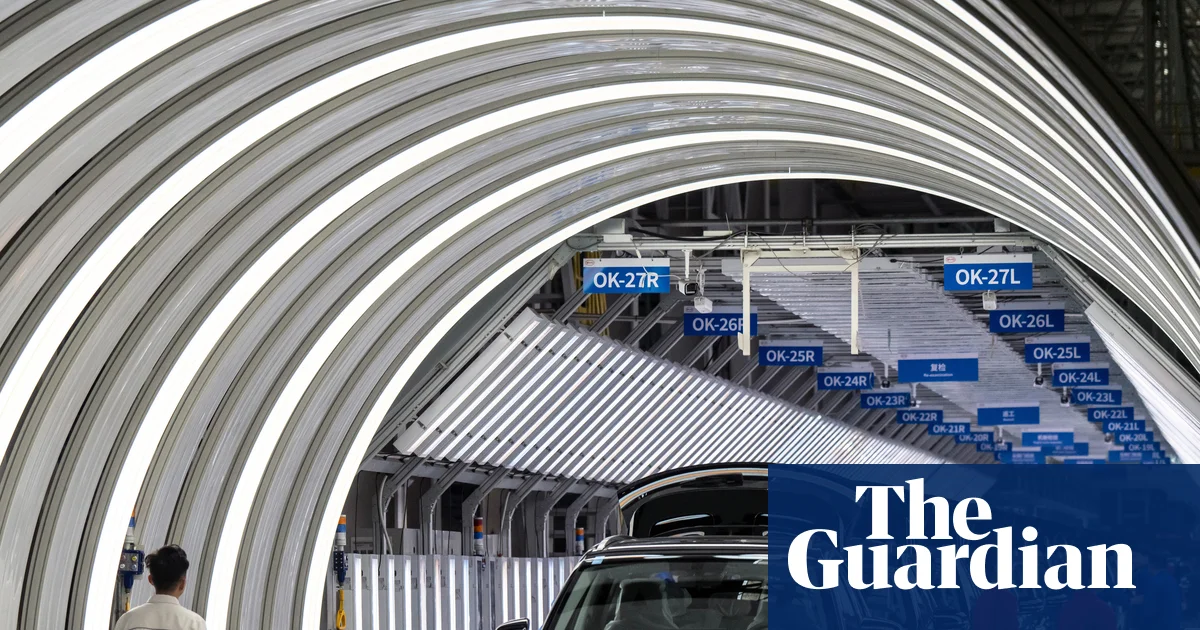
Labour MPs are urging the government to retain its electric vehicle sales targets as cabinet ministers prepare for talks on a possible compromise, according to the Guardian. Members of the climate and nature crisis caucus oppose reducing the requirement for 80% of cars sold by manufacturers in 2030 to be electric.
The intervention comes before a meeting scheduled for Thursday, when divided ministers are expected to discuss proposed reductions. The MPs describe weakening the target as a backward step and argue that a decision about the automotive sector would also carry consequences for the government’s wider climate agenda.
At the centre of the dispute is a legal sales requirement on carmakers, rather than a voluntary ambition. The distinction matters because the debate concerns how much of manufacturers’ sales must be electric by a specified deadline, not simply whether ministers continue to support electric vehicles in principle.
The caucus members’ position is that the existing 2030 threshold should remain intact. Their warning places pressure on ministers to justify any reduction against the environmental purpose of the requirement, rather than treating a lower target solely as a compromise between competing cabinet positions.
The disagreement also highlights a broader policy question: how firmly the government should hold to an established transition timetable when ministers disagree over its implementation. Retaining the target would preserve the current benchmark, while lowering it would change the minimum electric share carmakers are required to achieve in 2030. Neither outcome, on its own, would establish what manufacturers ultimately sell.
For the automotive sector, the distinction between an unchanged target and a revised one is therefore consequential. A lower requirement would reduce the mandated electric share at the deadline, but the supplied report does not establish how manufacturers would respond. It also provides no basis for quantifying any resulting changes in investment, vehicle prices or consumer demand.
The MPs’ intervention makes clear that a cabinet agreement would not necessarily end the political argument within Labour. By publicly opposing a reduction before the talks, caucus members are setting out a benchmark against which they can judge any eventual compromise. Their concern is specifically about weakening the existing requirement, rather than merely the language used to describe government policy.
Attention now turns to whether Thursday’s discussions produce agreement and whether ministers retain the 80% threshold. The report describes negotiations over a possible change, not an announced revision to the rules. Until an outcome is confirmed, the proposed reductions remain a subject of cabinet debate, with Labour’s climate-focused MPs pressing for the existing target to survive.
Primary source: The Guardian Business. Newzly rewrites and structures source reporting for clarity; verify critical details at the original.