Rachel Reeves Backs Andy Burnham on Brexit, Saying UK Future Is in EU
Former chancellor Rachel Reeves has backed Andy Burnham on Brexit, declaring that Britain's future belongs in the European Union after withdrawal left the nation poorer, weaker, and less secure.
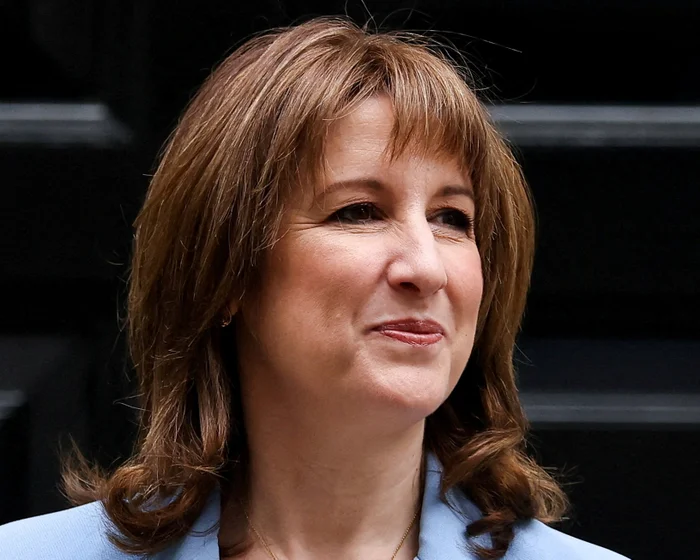
Former chancellor Rachel Reeves has stated that Britain's long-term future lies back inside the European Union, offering high-profile support to Andy Burnham on the question of Brexit. In her first major political intervention since stepping down from the Treasury, Reeves argued that the decision to leave the European bloc has left the United Kingdom fundamentally diminished.
Reeves delivered a blunt assessment of the UK's departure, asserting that Brexit has made Britain poorer, weaker, and less secure. Her remarks represent a direct challenge to the post-referendum settlement, framing the consequences of withdrawal as a continuing drag on national prosperity and international standing.
The intervention comes after Reeves departed her post at the Treasury when Burnham took office, signaling a notable shift in tone from senior political figures. By backing Burnham's stance on the issue, Reeves has aligned herself with calls to reconsider the country's institutional ties with Europe and confront the fallout from the exit.
Addressing the practical path forward, Reeves emphasized that advocates for rejoining cannot rely on assumption alone. She stressed that those seeking to forge a route back toward European Union membership must develop and present compelling arguments directly to the public to rebuild popular consensus.
The former chancellor's argument touches on enduring debates over the financial and geopolitical toll of leaving the common European market and regulatory orbit. Critiques centering on economic weakness and diminished security reflect widespread concerns about cross-border friction, investment challenges, and altered diplomatic leverage.
Reopening questions surrounding Britain's relationship with Brussels remains sensitive territory in modern British governance. While critics point to accumulated economic friction and trade disruption, political leaders face the delicate task of balancing calls for closer integration with the domestic fallout of the original referendum.
Reeves's explicit endorsement provides political momentum for Burnham as his administration evaluates its European strategy. A former finance minister vocalizing the case for membership brings economic authority to an issue that many mainstream politicians had previously treated with caution.
Any concrete movement toward European reintegration would require navigating substantial domestic, diplomatic, and legislative hurdles. Observers note that bridging the political divide requires not only winning the domestic economic argument but also clarifying the terms under which any future rapprochement might proceed.
For now, Reeves's intervention underscores an emerging willingness among prominent figures to publicly reconsider Britain's post-Brexit trajectory. As the debate continues, the focus turns to whether Burnham and other proponents can construct the persuasive case Reeves called for, testing whether public appetite for European alignment is ready to shift.
Primary source: The Guardian Business. Newzly rewrites and structures source reporting for clarity; verify critical details at the original.